Manus Island Mosaic-tailed Rat (Melomys matambuai)
Introduction
The Manus Island Mosaic-tailed Rat (Melomys matambuai) is a fascinating and elusive mammal that has captured the interest of researchers and wildlife enthusiasts alike. Endemic to Manus Island in Papua New Guinea, this rodent species is known for its unique physical characteristics and ecological role. As a member of the Melomys genus, it shares common traits with other mosaic-tailed rats, yet it stands out due to its distinctive adaptations to its environment. This article delves into the various aspects of the Manus Island Mosaic-tailed Rat, including its physical description, habitat, behavior, and the conservation challenges it faces.
Physical Description
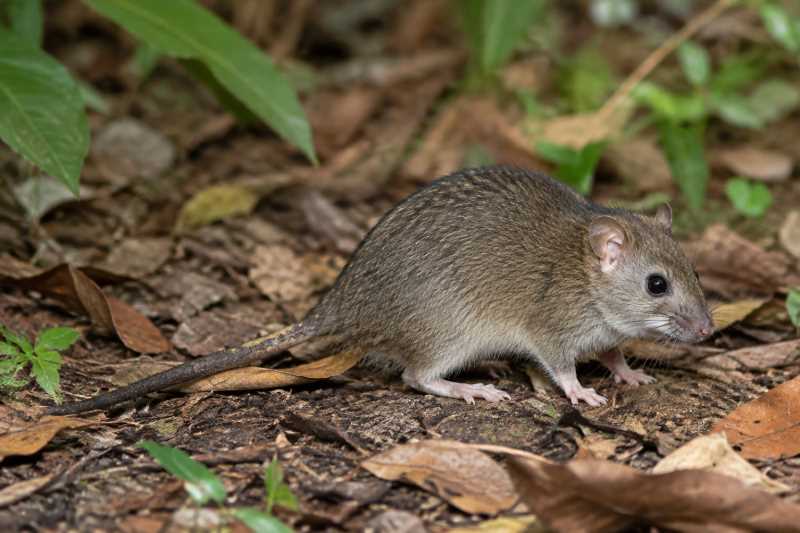
The Manus Island Mosaic-tailed Rat is a small to medium-sized rodent distinguished by its striking fur pattern and mosaic-like tail texture. Typically, adult individuals weigh between 120 to 200 grams and measure approximately 25 to 30 centimeters in total length, including the tail. The fur of Melomys matambuai is generally soft and dense, exhibiting a brownish-grey coloration on the upper body, transitioning to a lighter, almost cream-colored abdomen.
The species is particularly noted for its tail, which is not only long, accounting for nearly half of its total length, but also uniquely scaled. The scales on the tail form a mosaic pattern, a characteristic feature of the genus Melomys, providing the rodents with their common name. Their large, rounded ears and small, dark eyes enhance their nocturnal lifestyle, allowing them to navigate the dense forest undergrowth efficiently.
Range and Habitat
Melomys matambuai is endemic to Manus Island, part of the Admiralty Islands group in Papua New Guinea. This restricted range makes it one of the lesser-known members of the rodent family. The species thrives within the lowland tropical rainforest and secondary forests that cover the island, favoring areas with dense underbrush and a plentiful supply of food sources.
These rats are typically found at elevations ranging from sea level to 500 meters. The rich biodiversity of Manus Island provides an ideal habitat, yet it also makes the species vulnerable to habitat disturbances. The island’s tropical climate, characterized by high humidity and significant rainfall, supports lush vegetation, which Melomys matambuai relies on for shelter and sustenance.
Behavior and Diet
The Manus Island Mosaic-tailed Rat is primarily nocturnal, spending its nights foraging for food and its days resting in nests or burrows. These rodents are omnivorous, with a diet that includes a variety of fruits, seeds, leaves, and occasionally small insects. Their foraging behavior is crucial for seed dispersal, contributing to the ecological health of their forest habitat.
Socially, Melomys matambuai are relatively solitary animals, although they may occasionally be observed in small family groups. Their communication consists of high-pitched squeaks and scent markings, which they use to establish territory and attract mates. Breeding typically occurs throughout the year, with females giving birth to litters of two to four young after a gestation period of approximately 30 days.
Identification Tips
Identifying the Manus Island Mosaic-tailed Rat in the field requires careful observation and knowledge of its distinctive features. Here are some key identification tips:
- Tail: Look for the unique mosaic pattern on the tail, which is a defining characteristic of the species.
- Fur Coloration: Note the brownish-grey fur on the back and lighter underbelly, which helps distinguish it from other rodent species.
- Size: Remember that adults are typically 25 to 30 centimeters in length, including the tail.
- Ears and Eyes: Large, rounded ears and small, dark eyes are adapted for nocturnal activity and can be a giveaway.
- Behavior: Observing nocturnal foraging activities and listening for high-pitched squeaks can help confirm identification.
Conservation Status
The conservation status of the Manus Island Mosaic-tailed Rat is currently classified as "Vulnerable" by the International Union for Conservation of Nature (IUCN). The primary threats to the species are habitat loss and degradation due to logging, agricultural expansion, and human settlement development. These activities result in the fragmentation of the forest, reducing the available habitat for Melomys matambuai and increasing the risk of population decline.
Efforts to protect this species include habitat preservation initiatives and environmental awareness campaigns aimed at sustainable land use practices. Additionally, research and monitoring programs are essential to better understand the population dynamics and ecological needs of the species, allowing for more targeted conservation strategies.
Frequently Asked Questions
What makes the Manus Island Mosaic-tailed Rat unique?
The Manus Island Mosaic-tailed Rat is unique for its mosaic-patterned tail, which is a rare trait among rodents. This feature, combined with its limited range on Manus Island, makes it a species of significant interest to biologists.
How does the Manus Island Mosaic-tailed Rat contribute to its ecosystem?
This species plays a crucial role in seed dispersal, which helps maintain the biodiversity of the rainforest. By foraging on fruits and seeds, they aid in the propagation of various plant species.
What are the main threats facing the Manus Island Mosaic-tailed Rat?
The main threats include habitat destruction due to logging, agriculture, and human settlement. These activities lead to habitat fragmentation, which poses a significant risk to their survival.
Are there any conservation efforts in place for Melomys matambuai?
Yes, conservation efforts include habitat preservation, research, and monitoring programs. These initiatives aim to mitigate the impact of human activities and promote sustainable land use.
How can one identify the Manus Island Mosaic-tailed Rat in the wild?
Key identification features include its mosaic-patterned tail, brownish-grey fur, large ears, and nocturnal behavior. Listening for their high-pitched squeaks can also assist in identification.
Related posts