Introduction
The Manusela Mosaic-tailed Rat, scientifically known as Melomys fraterculus, is a fascinating species of rodent endemic to the island of Seram in Indonesia. This rodent is part of the Muridae family, which includes a diverse range of mice and rats. Though not widely known, the Manusela Mosaic-tailed Rat plays a crucial role in the ecosystem of its habitat.
Physical Description
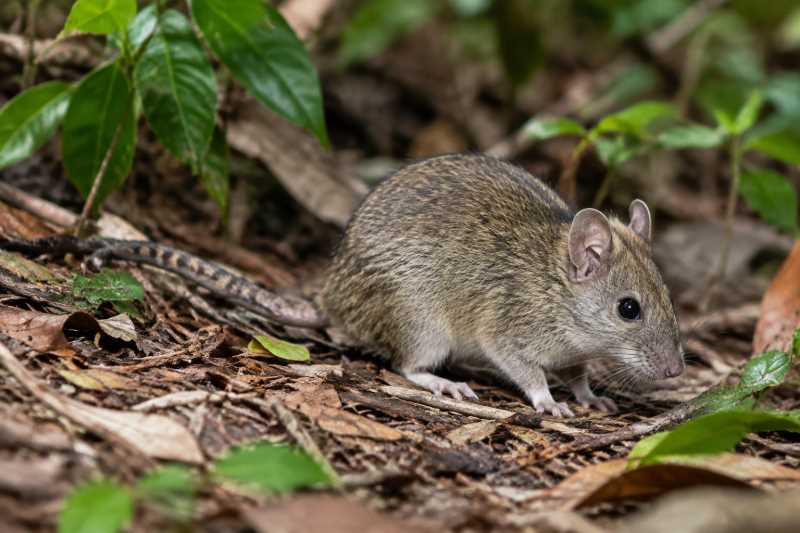
Melomys fraterculus is characterized by its distinctive mosaic-like scaly tail, which sets it apart from other rodents. The tail is typically as long as or slightly longer than the body, aiding in balance and agility. The fur is generally a mix of brown and gray, providing excellent camouflage against the forest floor. Adults typically weigh between 50 to 70 grams and have a body length ranging from 10 to 15 centimeters.
The ears are rounded and relatively small, while the eyes are large, suggesting a nocturnal lifestyle. The incisors are strong and sharp, ideal for gnawing on a variety of plant materials and seeds.
Range and Habitat
The Manusela Mosaic-tailed Rat is endemic to the island of Seram, located in the Maluku archipelago of Indonesia. This island features a diverse range of habitats, from lowland rainforests to montane forests, which provide a rich environment for the species.
Primarily, the Manusela Mosaic-tailed Rat inhabits the Manusela National Park, a protected area that offers the dense forest cover and abundant food sources necessary for their survival. These rats are arboreal, spending a significant amount of time in the trees, which offer both food and protection from predators.
Behavior and Diet
As a nocturnal creature, the Manusela Mosaic-tailed Rat is most active during the night when it forages for food. Its diet consists mainly of seeds, fruits, and occasionally small insects. This diet not only sustains the rat but also aids in seed dispersal, making it an important ecological contributor.
The Manusela Mosaic-tailed Rat is generally solitary, although it can be found in small family groups. It communicates through a series of vocalizations and scent markings, which help maintain territory boundaries and attract mates.
Identification Tips (Field Recognition Cues)
Identifying the Manusela Mosaic-tailed Rat in the wild can be challenging due to its elusive nature and nocturnal habits. However, several key features can aid in its identification:
- Tail: Look for the distinctive mosaic pattern of scales on the tail.
- Size and Fur: Note the small size and the brown-gray fur that blends into the forest environment.
- Behavior: Observe nocturnal activity and arboreal habits.
- Vocalizations: Listen for high-pitched calls during the night.
Conservation Status (With Threats and Protections)
The conservation status of the Manusela Mosaic-tailed Rat is currently not well-documented, primarily due to its limited range and the challenges in studying the species. However, habitat destruction poses a significant threat. Deforestation for logging and agriculture in Seram could lead to habitat loss, impacting the species’ population.
Manusela National Park, where many of these rats reside, provides some level of protection. Conservation efforts focused on habitat preservation and preventing deforestation are crucial for the survival of this species.
Frequently Asked Questions
Why is this species unique?
The Manusela Mosaic-tailed Rat is unique because of its limited distribution and its distinctive mosaic-patterned tail. Its role in seed dispersal within its ecosystem also highlights its ecological importance.
What is the primary threat to the Manusela Mosaic-tailed Rat?
The primary threat to this species is habitat destruction due to deforestation and land conversion for agricultural purposes, which can severely impact its population.
How can conservation efforts help this species?
Conservation efforts can help by focusing on habitat preservation, enforcing protections within Manusela National Park, and promoting sustainable land use practices to prevent further deforestation.
Is the Manusela Mosaic-tailed Rat dangerous to humans?
No, the Manusela Mosaic-tailed Rat is not dangerous to humans. It is a small, nocturnal animal that poses no threat and generally avoids human contact.
How does the Manusela Mosaic-tailed Rat contribute to its ecosystem?
The rat contributes to its ecosystem primarily through seed dispersal, which helps maintain forest health and promotes plant biodiversity.
Related posts