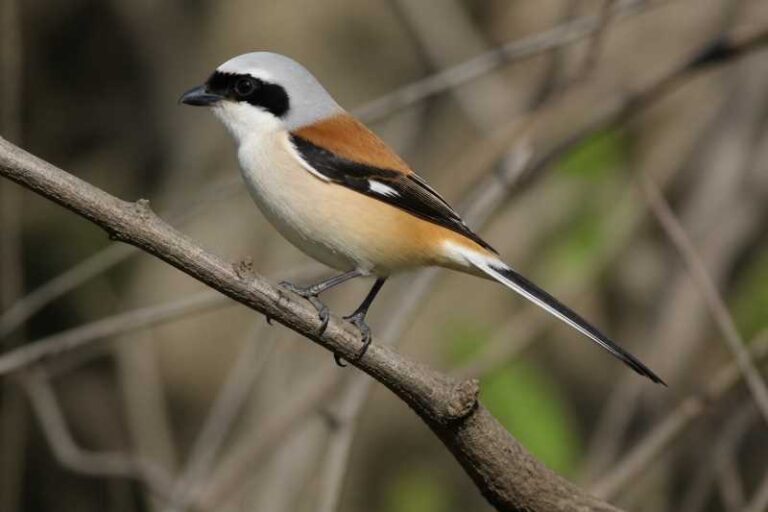
The Enigmatic Red-breasted Paradise Kingfisher: A Jewel of the Avian World
The Red-breasted Paradise Kingfisher (Tanysiptera nympha) is a strikingly beautiful bird species that captivates ornithologists and bird enthusiasts alike. Found primarily in the dense rainforests of New Guinea, this elusive bird is renowned for its vivid plumage and unique adaptations. This article delves into the fascinating world of the Red-breasted Paradise Kingfisher, exploring its habitat, behavior, and conservation status.
Habitat and Distribution
The Red-breasted Paradise Kingfisher inhabits the lowland rainforests of New Guinea, including the surrounding islands. These regions provide the dense canopy and rich biodiversity that are essential for the kingfisher’s survival. The bird is particularly adapted to life in these humid and lush environments, where it can find ample food sources and nesting opportunities.
The distribution of Tanysiptera nympha is largely restricted to these tropical forests, making it highly sensitive to habitat changes. The increasing deforestation in New Guinea poses a significant threat to their natural habitat, potentially impacting their population in the long term.
Physical Characteristics
The Red-breasted Paradise Kingfisher is a medium-sized bird, measuring around 30 to 35 centimeters in length, including its long tail feathers. The bird’s plumage is a vibrant blend of colors, with a striking red breast, a blue crown, and contrasting white underparts. The elongated tail feathers are one of its most distinctive features, adding to its allure and making it easily recognizable.
The bird’s powerful beak is adapted for its diet, which primarily consists of insects and small vertebrates. Its keen eyesight and swift flight make it an adept hunter in the dense forest canopy.
Behavior and Diet
This species is known for its solitary and elusive nature, often seen alone or in pairs rather than in large flocks. The Red-breasted Paradise Kingfisher is most active during the day, particularly in the early morning and late afternoon, when it forages for food.
Its diet mainly includes insects, small reptiles, and amphibians, which it captures with precision thanks to its sharp beak and agile flight. The kingfisher’s hunting strategy involves perching silently on a branch and watching for prey, before swooping down with incredible speed to capture it.
During the breeding season, the Red-breasted Paradise Kingfisher becomes slightly more social. Males engage in elaborate courtship displays, showcasing their vibrant plumage and tail feathers to attract females. Once a pair has formed, they work together to build a nest, usually in a tree hole or a burrow in the forest floor.
Conservation Status
The Red-breasted Paradise Kingfisher is currently classified as Least Concern by the International Union for Conservation of Nature (IUCN). However, the ongoing deforestation and habitat destruction in New Guinea present significant threats to its population.
Conservation efforts are crucial to ensure the survival of this species. Protecting the rainforests of New Guinea is essential, as these habitats are home not only to the Red-breasted Paradise Kingfisher but also to countless other unique species. Initiatives that promote sustainable land use and forest conservation are vital for maintaining the ecological balance and biodiversity of the region.
The Importance of Conservation Awareness
Raising awareness about the Red-breasted Paradise Kingfisher and its habitat is crucial for its conservation. Educating the local communities about the ecological importance of preserving these forests can lead to more sustainable practices and reduced deforestation.
Global conservation organizations are also playing a significant role in protecting New Guinea’s rainforests. By supporting these initiatives, individuals and institutions can contribute to the preservation of this magnificent bird and its ecosystem.
Conclusion
The Red-breasted Paradise Kingfisher is a remarkable testament to the beauty and diversity of the natural world. Its vibrant colors and unique behaviors make it a fascinating subject for study and admiration. However, the threats posed by habitat destruction underscore the importance of conservation efforts to ensure that future generations can continue to marvel at this exquisite bird.
Through concerted efforts in conservation and sustainable practices, we can help safeguard the Red-breasted Paradise Kingfisher and the rich biodiversity of New Guinea’s rainforests. By doing so, we not only protect a single species but also contribute to the broader goal of preserving the planet’s ecological heritage.
Related posts