The Enigmatic Spike-heeled Lark: An Avian Marvel of the African Landscape
The Spike-heeled Lark (Chersomanes albofasciata) is a captivating bird species that contributes richly to the biodiversity of the African continent. With its distinctive morphology and fascinating behavior, this bird has become a subject of interest for ornithologists and bird enthusiasts alike. This article delves into the various aspects of the Spike-heeled Lark, exploring its habitat, behavior, conservation status, and the role it plays in its ecosystem.
Habitat and Distribution
The Spike-heeled Lark is predominantly found in the arid and semi-arid regions of southern Africa. Its range extends across countries such as South Africa, Namibia, Botswana, and parts of Angola and Zimbabwe. Preferring open landscapes, this lark inhabits grasslands, savannas, and scrublands, where it can be seen foraging on the ground.
The lark’s choice of habitat is largely influenced by the availability of food and nesting sites. It thrives in areas with sparse vegetation, which allows for easier detection of predators and efficient foraging. The adaptability of the Spike-heeled Lark to various terrains underscores its resilience and resourcefulness in an ever-changing environment.
Morphological Features
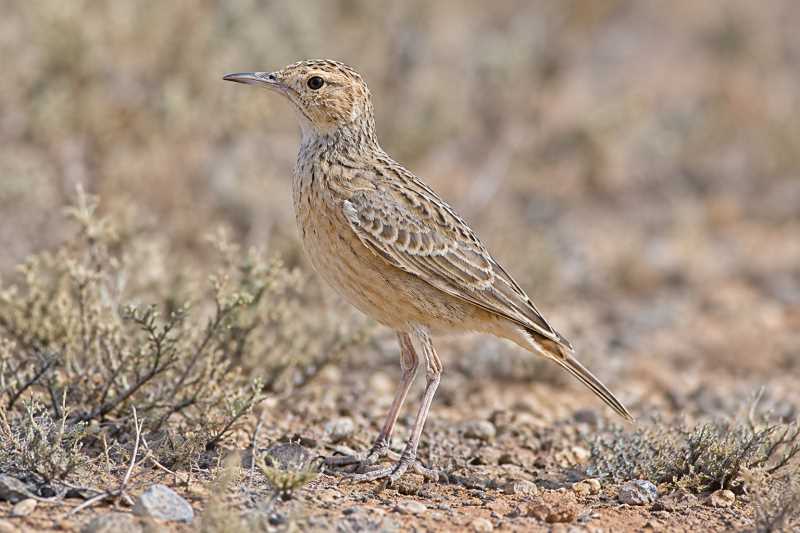
The Spike-heeled Lark is named for its distinctive hind claw, which is notably longer and more curved than those of other lark species. This spike-like claw is not just a unique identifier but also serves a functional purpose. It aids in better grip and stability while the bird traverses its predominantly terrestrial habitat.
In terms of appearance, the Spike-heeled Lark is a relatively small bird, measuring about 17-18 centimeters in length. Its plumage is predominantly brown with streaks of white and black, providing effective camouflage against the dry, earthy tones of its environment. This cryptic coloration is a crucial adaptation for avoiding predators.
Behavioral Characteristics
The Spike-heeled Lark is known for its intriguing behavioral traits. It is primarily a ground-dweller, spending most of its time foraging for insects, seeds, and small invertebrates. Its diet is largely opportunistic, allowing it to adapt to the fluctuating availability of food resources in its habitat.
One of the most captivating aspects of the Spike-heeled Lark is its vocalization. The male lark is particularly noted for its complex and melodious song, often delivered during flight displays. These aerial performances are not only a means of attracting mates but also serve as territorial displays, warning rival males to keep their distance.
Breeding occurs during the rainy season when food is abundant. The Spike-heeled Lark is a monogamous species, with pairs forming strong bonds that often last for multiple breeding seasons. Nests are typically built on the ground, cleverly concealed amidst vegetation to protect against predators.
Conservation Status
According to the International Union for Conservation of Nature (IUCN), the Spike-heeled Lark is currently listed as a species of Least Concern. While this status indicates a relatively stable population, it is essential to remain vigilant about potential threats that could impact its future.
Habitat loss due to agricultural expansion and land degradation poses significant challenges to the Spike-heeled Lark. Conservation efforts must focus on sustainable land management practices that balance human needs with the preservation of natural habitats. Additionally, further research into the ecological role of this species could provide valuable insights into maintaining the health and diversity of the ecosystems it inhabits.
The Ecological Role of the Spike-heeled Lark
As an integral component of its ecosystem, the Spike-heeled Lark contributes to ecological balance in several ways. Its foraging behavior aids in seed dispersal and pest control, while its presence as prey supports the food web.
Moreover, the lark’s nesting habits may influence plant community dynamics. By disturbing the soil during nest construction, the lark can impact seed germination and vegetation patterns, albeit subtly. Understanding these interactions is crucial for appreciating the broader ecological significance of this bird.
Conclusion
The Spike-heeled Lark is a testament to the incredible diversity and adaptability of life on Earth. Through its unique adaptations and behaviors, it has carved out a niche in the challenging environments of southern Africa. As we continue to uncover the complexities of this remarkable bird, it serves as a reminder of the intricate connections that sustain our natural world.
In celebrating the Spike-heeled Lark, we also acknowledge the importance of preserving the ecosystems it inhabits. By promoting conservation and sustainable practices, we can ensure that future generations will have the opportunity to marvel at the wonders of this enigmatic species.
Related posts