The Enigmatic Malagasy Kingfisher: Jewel of Madagascar’s Aviary Realm
Madagascar, the world’s fourth-largest island, is a haven of biodiversity, famed for its exotic flora and fauna. Among its avian treasures is the Malagasy Kingfisher (Corythornis vintsioides), a vivid symbol of the island’s unique ecosystem. This article delves into the fascinating world of the Malagasy Kingfisher, exploring its habitat, behavior, and the conservation challenges it faces.
The Splendor of the Malagasy Kingfisher
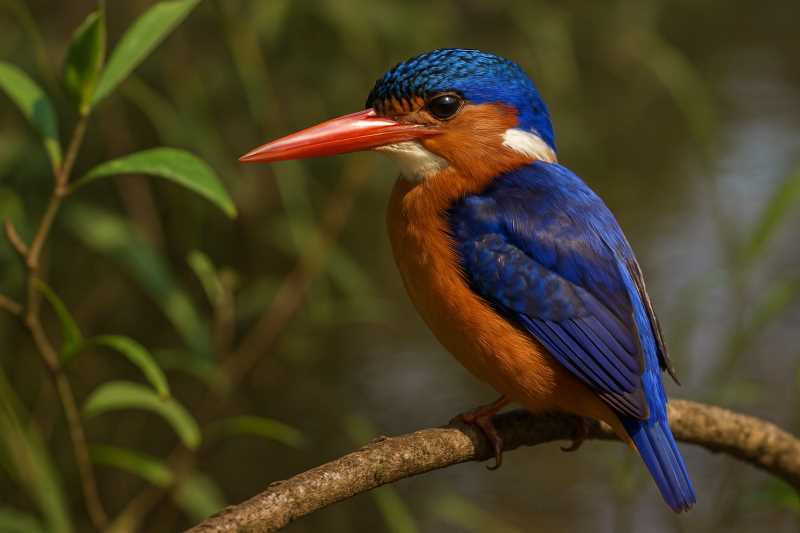
The Malagasy Kingfisher is a small bird, measuring about 13 cm in length, with a striking appearance that captivates bird enthusiasts and casual observers alike. Its vibrant plumage is a dazzling blend of turquoise-blue on the upper parts and a contrasting white underbelly, complemented by a vivid orange patch on its cheeks. This stunning coloration not only serves as a visual delight but also plays a crucial role in its natural behavior and survival.
Habitat and Distribution
Endemic to Madagascar, the Malagasy Kingfisher thrives in a variety of habitats across the island, from coastal mangroves and freshwater lakes to riverine forests and agricultural lands. This adaptability to diverse environments is a testament to its resilience, yet it also indicates the bird’s critical role in different ecological niches. The bird’s presence across varying habitats underscores its importance as a bioindicator, reflecting the health of its ecosystem.
Behavior and Diet
The Malagasy Kingfisher is a solitary and territorial bird, often seen perched quietly on branches overhanging water bodies, keenly observing for movement below. This patient sentinel-like behavior is typical of kingfishers, as they rely on their acute vision to spot prey. Their diet primarily consists of small fish, aquatic insects, and occasionally amphibians, which they catch with remarkable precision.
Upon spotting prey, the kingfisher executes a dramatic dive, plunging into the water with remarkable speed and agility. This hunting technique not only showcases the bird’s physical prowess but also its evolutionary adaptations such as specialized vision that compensates for refraction when underwater.
Breeding and Lifespan
Breeding season for the Malagasy Kingfisher typically aligns with the rainy season, ensuring a plentiful supply of food for the young. The nests are usually burrowed into sandy banks or soft soil near water sources, providing a safe haven for the eggs and subsequent hatchlings. Both parents partake in rearing the young, a collaborative effort that enhances the survival rates of the offspring.
The typical lifespan of a Malagasy Kingfisher in the wild is around 6-10 years, although this can vary based on environmental factors and predation pressures. This longevity allows them to play a sustained role in their ecosystems, contributing to the control of aquatic insect populations and serving as prey for larger predators.
Conservation Status and Challenges
Currently, the Malagasy Kingfisher is classified as a species of Least Concern by the International Union for Conservation of Nature (IUCN). However, this status belies the growing threats they face from habitat destruction, pollution, and climate change. Deforestation for agriculture and urban development has led to the fragmentation of their natural habitats, while pollution from pesticides and industrial runoff poses a significant threat to their food sources.
Climate change further exacerbates these challenges by altering the delicate balance of aquatic ecosystems. Changes in rainfall patterns and temperature fluctuations can impact the availability of prey, thus affecting the kingfisher’s breeding success and survival rates.
Conservation Efforts and Future Outlook
Efforts to conserve the Malagasy Kingfisher are integral to maintaining Madagascar’s rich biodiversity. Conservationists emphasize the importance of preserving wetland habitats and implementing sustainable land-use practices to mitigate habitat loss. Community-based conservation programs that engage local populations in protecting their natural heritage have proven effective, fostering a sense of stewardship and raising awareness about the ecological importance of species like the Malagasy Kingfisher.
Additionally, research initiatives aimed at monitoring population trends and understanding the species’ ecological needs are crucial in formulating effective conservation strategies. Collaborative efforts between government bodies, NGOs, and local communities are essential to ensuring the long-term survival of the Malagasy Kingfisher and the myriad other species that share its habitat.
In conclusion, the Malagasy Kingfisher is more than just a beautiful bird; it is an integral component of Madagascar’s natural tapestry. Protecting this vibrant species is synonymous with safeguarding the ecological integrity of one of the world’s most biodiverse regions. As we continue to unravel the complexities of Madagascar’s ecosystems, the Malagasy Kingfisher stands as a reminder of the delicate balance that sustains our planet’s natural wonders.
Related posts