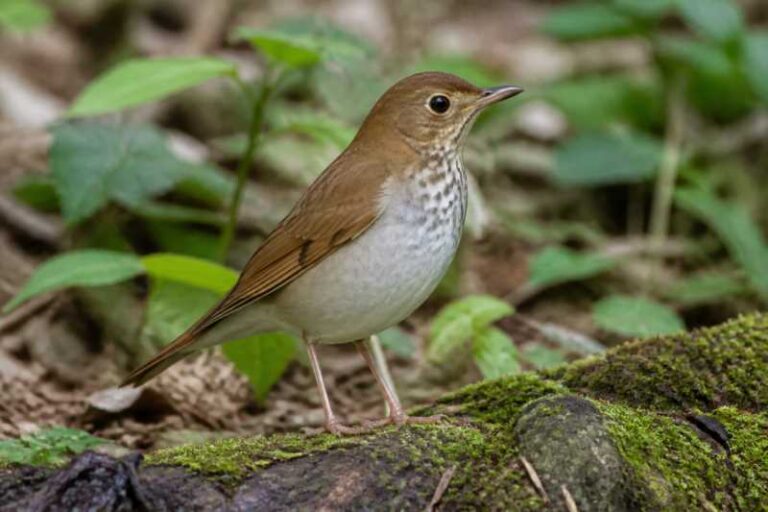
The Red-tailed Tropicbird (Phaethon rubricauda) is one of the most visually striking seabirds found across tropical oceans. With its snowy-white plumage, jet-black eye markings, and brilliant red tail streamers trailing behind it in flight, this elegant bird commands attention both in the air and on remote island nesting grounds.
Physical Appearance
Measuring about 95 to 105 cm in total length including the tail streamers, the Red-tailed Tropicbird has a wingspan of approximately 110 cm. Its body is sleek and aerodynamic, with sharp, angular wings ideal for long-distance soaring. The most distinctive features are its elongated red tail feathers, which can be more than twice the length of its body, and a vivid coral-red bill that contrasts beautifully with its otherwise white feathers. A narrow black bar extends behind the eye, adding to its masked appearance.
Habitat and Range
This species is found throughout tropical regions of the Indian and Pacific Oceans, including nesting populations on islands off Australia, Madagascar, Hawaii, and the Galápagos. While they spend most of their lives at sea, they return to isolated islands to breed on steep cliffs or sandy shores. They prefer open oceanic environments and are rarely seen near mainland coasts.
Behavior and Diet
Red-tailed Tropicbirds are aerial specialists, spending months gliding over the open ocean. They feed primarily on squid and flying fish, which they catch with precision plunge dives from considerable heights. Their long wings and light bodies allow them to travel effortlessly over great distances.
Despite their grace in the air, they are quite clumsy on land due to their short legs and limited ability to walk. Nesting usually involves a single egg laid in a shallow scrape on the ground or cliff ledge. Both parents take turns incubating the egg and feeding the chick once hatched, with a diet of regurgitated fish.
Breeding and Life Cycle
Breeding season varies depending on location but typically peaks during the warmer months. The courtship display involves synchronized aerial dances and calls. Chicks fledge after about 12–13 weeks and will spend several years at sea before returning to their natal island to breed.
Conservation Status
The Red-tailed Tropicbird is currently classified as Least Concern by the IUCN, but populations are vulnerable to habitat disturbance, introduced predators like rats and cats on nesting islands, and plastic ingestion from polluted oceans. Conservation programs on key islands have successfully boosted populations by eradicating invasive species and monitoring breeding success.
Ecotourism and Cultural Significance
In places like Australia’s Coral Sea Islands and Norfolk Island, and remote Pacific atolls, the Red-tailed Tropicbird draws ecotourists and birdwatchers alike. Its beauty and rarity make it a sought-after sighting, particularly during nesting seasons when their elegant courtship flights can be observed from cliffs or boats.
Related posts