Natal Red Rock Hare (Pronolagus crassicaudatus): A Comprehensive Overview
Introduction
The Natal Red Rock Hare, scientifically known as Pronolagus crassicaudatus, is a fascinating mammal endemic to South Africa. This species is part of the Leporidae family, which includes rabbits and hares. Though not as widely known as its relatives, the Natal Red Rock Hare is a unique species that captivates researchers and wildlife enthusiasts alike. Its elusive nature, combined with its preference for rugged terrains, makes it a subject of interest in the study of biodiversity and conservation.
In this comprehensive article, we will delve into various aspects of the Natal Red Rock Hare, including its physical description, natural habitat, behavior, diet, and conservation status. We will also provide identification tips for those interested in observing this remarkable species in the wild and address frequently asked questions.
Physical Description
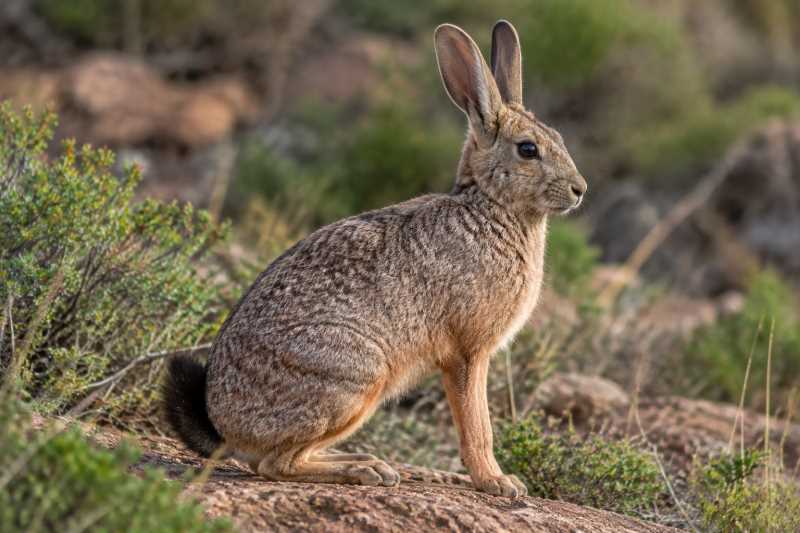
The Natal Red Rock Hare is distinguished by its robust and compact body, adapted for life in rocky environments. On average, an adult hare measures between 45 to 55 centimeters in length and can weigh up to 2.5 kilograms. Its most striking feature is its dense, reddish-brown fur, which provides excellent camouflage against the rocky landscapes it inhabits.
The fur on its back is typically a rich red or russet color, while its underbelly is lighter, often a creamy white. Its ears are relatively short compared to other hare species, measuring about 10 centimeters in length. These ears are tipped with black, adding a distinctive characteristic that aids in identification.
The Natal Red Rock Hare’s tail is thick and bushy, setting it apart from other hares. This tail aids in balance when navigating the rocky terrain. Its hind legs are strong and muscular, enabling it to make swift, agile movements to escape predators.
Range and Habitat
The Natal Red Rock Hare is native to South Africa, with its range primarily concentrated in the eastern regions of the country. It is most commonly found in KwaZulu-Natal, where it inhabits rocky outcrops and mountainous areas. These environments provide the hare with numerous hiding spots and vantage points to watch for predators.
The species thrives in areas with abundant rocky crevices and boulders, which offer protection and nesting sites. Its preferred habitat includes montane grasslands and savanna woodlands, where it can find ample food resources and shelter. The presence of dense vegetation is crucial for the hare, as it relies on this cover for protection from natural threats.
Behavior and Diet
The Natal Red Rock Hare is primarily nocturnal, spending its days resting in rocky crevices or burrows and becoming active at dusk. This behavior helps it avoid the heat of the day and reduces the risk of predation.
Its diet mainly consists of grasses, herbs, and shrubs, which are abundant in its natural habitat. The hare is an herbivore and has developed a digestive system capable of extracting nutrients from fibrous plant material. It employs a method known as coprophagy, where it re-ingests its feces to extract additional nutrients.
Socially, the Natal Red Rock Hare is relatively solitary, with individuals or small family groups occupying a particular territory. They communicate through scent markings and vocalizations, especially during the breeding season. Breeding occurs year-round, with females giving birth to one or two leverets after a gestation period of approximately 42 days.
Identification Tips
For wildlife enthusiasts and researchers looking to identify the Natal Red Rock Hare in the field, several key features can aid in recognition:
- Fur Coloration: Look for the distinctive reddish-brown fur that blends seamlessly with rocky environments.
- Tail Shape: Observe the thick, bushy tail that is unique to this species.
- Ear Size and Markings: Note the relatively short ears with black tips.
- Habitat: Focus on areas with rocky outcrops and dense vegetation where the hare is likely to reside.
- Behavior: During evenings, watch for their activity as they emerge from hiding to forage.
Conservation Status
The Natal Red Rock Hare is currently classified as Least Concern by the International Union for Conservation of Nature (IUCN). However, it faces several threats that could impact its populations in the future.
Threats
- Habitat Loss: Urbanization and agricultural expansion are leading to habitat fragmentation.
- Predation: Natural predators include large birds of prey and carnivorous mammals.
- Climate Change: Changes in climate patterns may affect the availability of food resources and suitable habitats.
Protections
Conservation efforts focus on habitat preservation and monitoring population trends. Protected areas in South Africa, such as national parks and reserves, provide safe havens for the Natal Red Rock Hare. Continued research and public awareness campaigns are crucial for ensuring the long-term survival of this species.
Frequently Asked Questions
What is the lifespan of a Natal Red Rock Hare?
The lifespan of a Natal Red Rock Hare in the wild is typically around 5 to 6 years. However, this can vary depending on environmental conditions and predation pressures.
How does the Natal Red Rock Hare avoid predators?
The Natal Red Rock Hare utilizes its excellent camouflage, agility, and knowledge of rocky terrains to evade predators. It often seeks refuge in crevices and is most active at night to reduce exposure.
Are Natal Red Rock Hares social animals?
Natal Red Rock Hares are relatively solitary. While they may be seen in small family groups, individuals predominantly maintain their territories and interact primarily during the breeding season.
What role does the Natal Red Rock Hare play in its ecosystem?
As herbivores, Natal Red Rock Hares play a crucial role in their ecosystem by influencing plant community structures and serving as prey for larger predators, thus maintaining ecological balance.
How can one contribute to the conservation of the Natal Red Rock Hare?
Supporting local conservation programs, advocating for habitat preservation, and participating in citizen science projects can contribute to the conservation of the Natal Red Rock Hare.
Related posts