Introduction
The Darién Harvest Mouse, scientifically known as Reithrodontomys darienensis, is a lesser-known yet fascinating species within the rodent family. Found primarily in the tropical regions of Central America, this small mammal plays a crucial role in its ecosystem. Despite its elusive nature, the Darién Harvest Mouse has captivated the interest of biologists and ecologists alike, who are keen to unravel the mysteries surrounding its behavior, habitat, and conservation status.
In this comprehensive article, we will delve into the various aspects of the Darién Harvest Mouse, from its physical characteristics and habitat preferences to its diet and conservation challenges. By the end of this read, you will gain a deeper understanding of this unique species and the importance of its preservation.
Physical Description
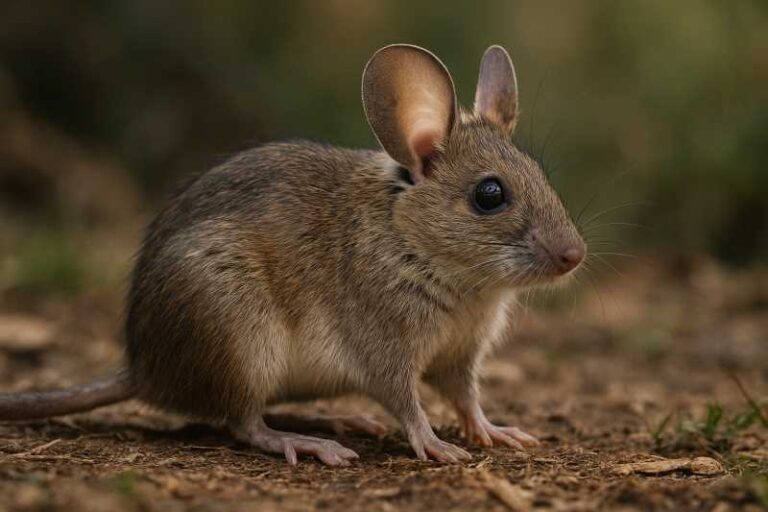
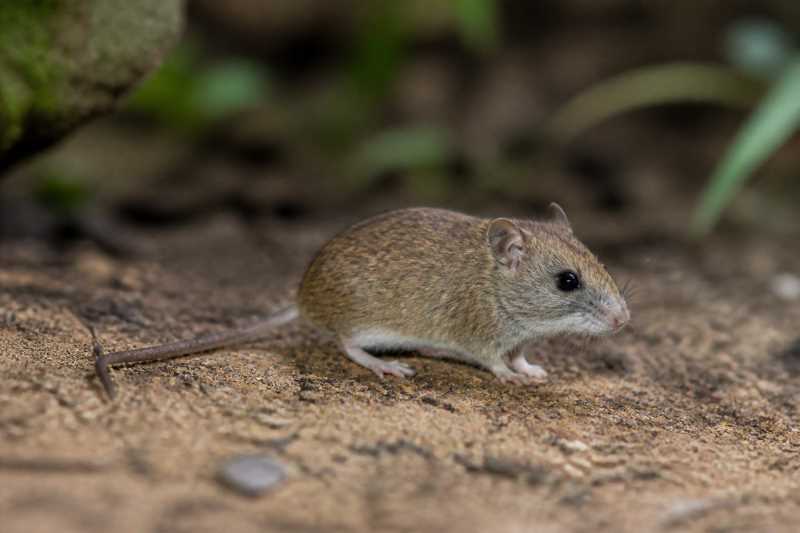
The Darién Harvest Mouse is a small rodent, typically measuring between 11 to 13 centimeters in total length, including its tail. Its body is covered in soft, dense fur, which ranges in color from a light grayish-brown to a more vibrant reddish-brown, depending on the individual and its environmental conditions.
One of the distinguishing features of the Darién Harvest Mouse is its slightly elongated hind feet, which aid in its agility and ability to navigate through dense vegetation. Its ears are moderately sized and rounded, providing it with excellent auditory capabilities, crucial for detecting predators and communicating with fellow mice.
The eyes of the Darién Harvest Mouse are large and dark, offering an enhanced sense of vision, particularly in low-light conditions. This adaptation is essential for its predominantly nocturnal lifestyle, allowing it to forage for food and evade predators effectively.
Range and Habitat
The Darién Harvest Mouse is endemic to the Darién region, a biodiverse area that straddles the border between Panama and Colombia. This region is characterized by its dense tropical rainforests, abundant rainfall, and rich biodiversity. The mouse is primarily found in lowland forested areas, although it can occasionally be spotted in secondary forests and disturbed habitats.
Within this range, the Darién Harvest Mouse occupies the understory layer of the forest, where it constructs nests from leaves and grasses. These nests are usually positioned in dense vegetation, providing shelter from predators and the elements. The mouse’s choice of habitat is closely linked to the availability of food resources and the presence of suitable nesting sites.
Behavior and Diet
The Darién Harvest Mouse is primarily nocturnal, with most of its activities occurring under the cover of darkness. This behavior is a strategic adaptation to avoid diurnal predators and to take advantage of cooler temperatures. The mouse is solitary by nature, with individuals maintaining defined territories that they defend from intruders.
In terms of diet, the Darién Harvest Mouse is an omnivore, feeding on a diverse array of food sources. Its diet includes seeds, fruits, insects, and small invertebrates, which it forages from the forest floor and low vegetation. This varied diet not only sustains the mouse but also plays a role in seed dispersal, contributing to the ecological health of its habitat.
Identification Tips (field recognition cues)
Identifying the Darién Harvest Mouse in the field requires keen observation and attention to detail. Here are some tips to help recognize this elusive species:
- Size and Shape: Look for a small rodent with a body length of approximately 11 to 13 centimeters, including its tail.
- Fur Color: Observe the coloration of the fur, which can range from light grayish-brown to reddish-brown.
- Tail: The tail is often as long as or slightly longer than the body, with a slightly darker dorsal stripe.
- Ears and Eyes: Note the rounded ears and large, dark eyes, which are indicative of its nocturnal habits.
- Habitat: Spotting the mouse in dense, lowland tropical forests, especially in areas with thick understory vegetation, increases the likelihood of correct identification.
Conservation Status (with threats and protections)
The conservation status of the Darién Harvest Mouse is currently not well-documented, primarily due to its elusive nature and the challenges of conducting field studies in its remote habitat. However, like many other species in the Darién region, it faces several threats that could impact its survival.
Threats
- Habitat Loss: Deforestation for agriculture, logging, and infrastructure development poses a significant threat to the mouse’s habitat. The conversion of forested areas into farmland reduces the availability of suitable living conditions for the species.
- Climate Change: Changes in climate patterns can alter the availability of food resources and suitable nesting sites, impacting the survival of the Darién Harvest Mouse.
- Predation: Natural predators, including birds of prey and larger mammals, pose a constant threat to the mouse. The loss of dense vegetation can increase its vulnerability to these predators.
Protections
Efforts to protect the Darién Harvest Mouse are intrinsically linked to broader conservation initiatives in the Darién region. These include:
- Protected Areas: The establishment of national parks and reserves helps safeguard critical habitats from deforestation and human encroachment.
- Research and Monitoring: Ongoing research efforts aim to gather more information about the species, which can inform conservation strategies and protective measures.
- Community Engagement: Involving local communities in conservation efforts ensures sustainable practices and the preservation of natural resources for future generations.
Frequently Asked Questions
What is the Darién Harvest Mouse’s primary diet?
The Darién Harvest Mouse is an omnivore, feeding on seeds, fruits, insects, and small invertebrates found in its forest habitat.
How does the Darién Harvest Mouse avoid predators?
The mouse employs nocturnal behavior and relies on its agility, large eyes, and ears to detect and evade predators.
What are the main threats to the Darién Harvest Mouse?
The primary threats include habitat loss due to deforestation, climate change, and predation by natural enemies.
Where can the Darién Harvest Mouse be found?
It is found in the tropical rainforests of the Darién region, spanning parts of Panama and Colombia.
How can I identify a Darién Harvest Mouse in the wild?
Look for a small rodent with reddish-brown fur, large eyes, rounded ears, and a long tail, typically in dense forested areas.
Related posts