The Lyre-tailed Honeyguide: Nature’s Enigmatic Orchestrator
The Lyre-tailed Honeyguide (Melichneutes robustus) is an avian marvel, captivating ornithologists and nature enthusiasts alike with its unique biology and intriguing behaviors. This elusive bird, which belongs to the family Indicatoridae, is renowned for its distinctive tail feathers that resemble a lyre, a feature that not only gives it its name but also adds to its mythic allure. Found predominantly in the dense, humid forests of Central Africa, the Lyre-tailed Honeyguide is a testament to nature’s ability to craft creatures of unparalleled beauty and ecological significance.
Habitat and Distribution
The Lyre-tailed Honeyguide inhabits the lush, pristine forests stretching from West Africa across to the Congo Basin. This region’s dense vegetation and abundant resources provide an ideal setting for the honeyguide’s lifestyle. These birds thrive in habitats that offer ample opportunities for feeding and nesting, often frequenting areas where bees and their hives are prevalent. Despite their relatively broad range, spotting a Lyre-tailed Honeyguide can be a challenge due to their elusive nature and the dense forest canopy they call home.
Physical Characteristics
The Lyre-tailed Honeyguide is a medium-sized bird, measuring approximately 20 to 25 centimeters in length. However, it is their remarkable tail that truly sets them apart. The male’s tail feathers can extend up to an additional 25 centimeters, featuring two long, streamers that curve gracefully, reminiscent of a musical lyre. This striking feature is not just for show but plays a crucial role in their mating rituals.
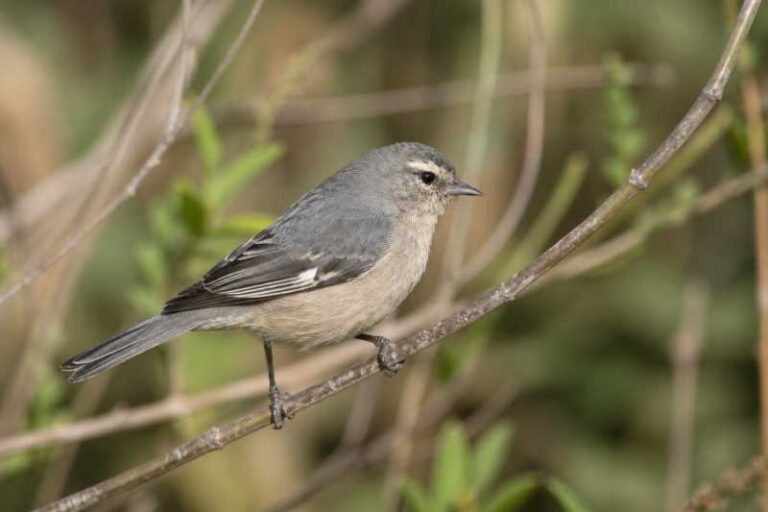
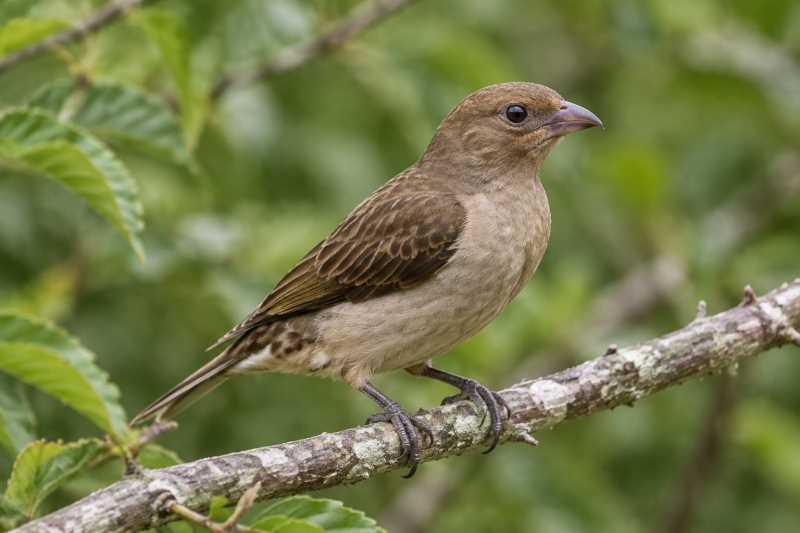
Their plumage is predominantly olive-brown, providing excellent camouflage against the forest backdrop. Males and females exhibit similar coloration, though males are generally more vibrant, especially during the breeding season. The bird’s beak is stout and adapted for its unique feeding habits.
Unique Feeding Behavior
One of the most fascinating aspects of the Lyre-tailed Honeyguide is its symbiotic relationship with other species, particularly humans. Known as a "honeyguide," this bird has a mutualistic interaction with humans and other animals by leading them to bee colonies. The honeyguide benefits by feeding on the wax and larvae left behind after the honey gatherers have harvested the honey. This behavior is not only an example of interspecies cooperation but also highlights the honeyguide’s intelligence and adaptability.
The Lyre-tailed Honeyguide’s diet primarily consists of beeswax, insect larvae, and occasionally small insects. This specialized diet is facilitated by their unique digestive system, which can process beeswax, a feat few other species can achieve.
Reproductive Behavior and Lifecycle
The breeding behavior of the Lyre-tailed Honeyguide is as unique as its feeding habits. These birds are known for their brood parasitism, a reproductive strategy where they lay their eggs in the nests of other bird species. This cunning tactic ensures that the honeyguide’s offspring are raised by the host species, allowing the adult honeyguides to focus on foraging and survival.
Once the female honeyguide has identified a suitable host nest, typically that of a small passerine bird, she will lay her egg alongside those of the host. The honeyguide chick hatches earlier than the host’s chicks and instinctively eliminates the competition by pushing the host’s eggs or chicks out of the nest. This ensures that it receives all the food and care provided by the unsuspecting foster parents.
Conservation Status and Threats
Currently, the Lyre-tailed Honeyguide is listed as Least Concern by the International Union for Conservation of Nature (IUCN). However, like many forest-dwelling species, it faces threats from habitat loss due to deforestation and human encroachment. Conservation efforts aimed at preserving the rainforests of Central Africa are crucial for maintaining the populations of these remarkable birds.
Despite the challenges they face, Lyre-tailed Honeyguides have shown a remarkable ability to adapt to changing environments, highlighting the importance of understanding and protecting their habitats to ensure their continued survival.
Conclusion
The Lyre-tailed Honeyguide is a fascinating specimen of avian life, embodying both the beauty and complexity of nature. Its unique behaviors, from its symbiotic feeding habits to its reproductive strategies, make it a subject of endless intrigue and study. As we strive to understand and preserve the delicate ecosystems of Central Africa, the Lyre-tailed Honeyguide stands as a symbol of the intricate interconnections that sustain our natural world.
Preserving its habitat not only safeguards the future of this extraordinary bird but also the myriad of species that share its environment, underscoring the vital importance of biodiversity and conservation efforts.
Related posts