Introduction
The Bemaraha Sportive Lemur, scientifically known as Lepilemur randrianasoloi, is a fascinating primate endemic to Madagascar. This unique lemur is one of several species within the genus Lepilemur, commonly referred to as sportive lemurs. It was first described in 2006 and is named in honor of Malagasy primatologist Dr. Blanchard Randrianasolo.
Sportive lemurs are nocturnal and arboreal, making their homes in the dense forests of Madagascar. The Bemaraha Sportive Lemur, like its relatives, is known for its agile movements and distinctive vocalizations. Despite its relatively recent discovery, this species has garnered significant interest from conservationists due to its limited range and the ongoing threats to its habitat.
Physical Description
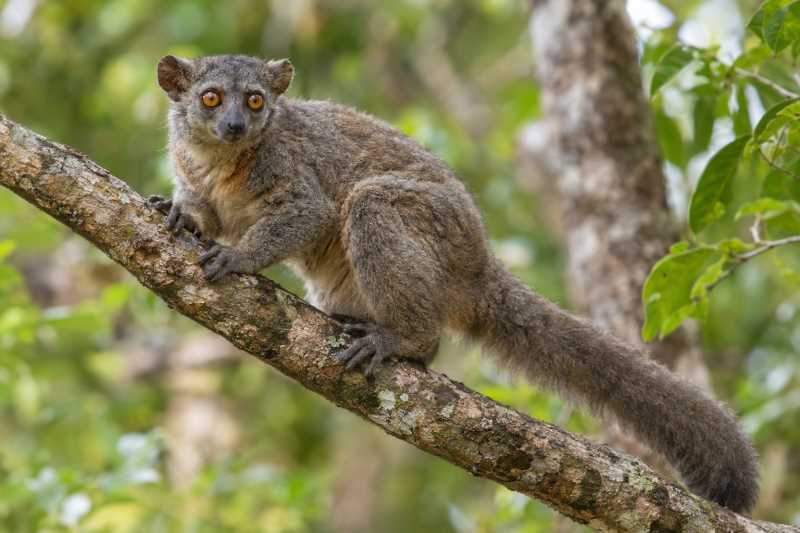
The Bemaraha Sportive Lemur is a medium-sized primate, characterized by its large eyes, which are an adaptation for its nocturnal lifestyle. It has a small, rounded head with prominent ears, a typical trait among sportive lemurs. The fur of the Bemaraha Sportive Lemur is soft and dense, providing insulation against the cool night temperatures of its habitat.
Coloration is generally gray-brown, with a lighter underside. This camouflaged coat helps it blend seamlessly into the forest canopy. The lemur has a robust body, strong hind limbs, and a long tail, which aids in balance and navigation through the trees. Adult lemurs typically weigh between 0.7 to 0.9 kilograms and measure about 30 centimeters in body length, excluding the tail.
Range and Habitat
The Bemaraha Sportive Lemur is found exclusively in the Bemaraha National Park in western Madagascar. This UNESCO World Heritage Site is renowned for its unique karst limestone formations and biodiversity.
The habitat of the Bemaraha Sportive Lemur consists of dry deciduous forests, which are characterized by seasonal variation in rainfall. These forests provide a wealth of resources, including food and shelter, and are integral to the survival of numerous endemic species. The lemurs primarily occupy the middle to upper canopy levels, where they find protection from predators and access to their preferred food sources.
Behavior and Diet
Bemaraha Sportive Lemurs are primarily nocturnal and spend their days sleeping in tree hollows or dense foliage to avoid predators. At night, they become active, foraging for food and socializing with other lemurs.
These lemurs have a folivorous diet, meaning they predominantly consume leaves. However, they also eat fruits, flowers, and bark, depending on the availability and season. Their digestive system is specially adapted to break down tough plant materials, allowing them to extract essential nutrients efficiently.
Socially, they are generally solitary but are known to engage in vocal communication to establish territory and maintain contact with others. Their calls can range from soft grunts to loud barks, each serving different purposes in their communication.
Identification Tips (Field Recognition Cues)
Identifying the Bemaraha Sportive Lemur in the field requires careful observation due to its elusive nature and nocturnal habits. Here are some tips for recognizing this species:
- Location: Look for them in the forests of Bemaraha National Park, particularly at night when they are most active.
- Physical Characteristics: Note the large eyes and ears, which are characteristic of nocturnal primates. Their fur is gray-brown with a lighter underbelly.
- Behavior: Watch for their distinctive bounding movements between trees and listen for their vocalizations.
- Dietary Signs: Evidence of leaf consumption, such as partially eaten leaves or fruit remains, can indicate their presence.
Conservation Status (With Threats and Protections)
The Bemaraha Sportive Lemur is currently classified as Endangered on the IUCN Red List. This status is primarily due to habitat loss and fragmentation, driven by deforestation for agriculture, logging, and mining activities.
Conservation efforts are focused on habitat protection and restoration. Bemaraha National Park provides a protected environment, but enforcement of conservation laws is crucial to prevent illegal activities. Conservation organizations are also working with local communities to promote sustainable land use practices that benefit both wildlife and the people.
Increased awareness and research are essential to ensure the survival of the Bemaraha Sportive Lemur. Continued efforts to monitor populations and habitat quality, alongside community education programs, will be vital in conserving this unique species.
Frequently Asked Questions
Why is this species unique?
The Bemaraha Sportive Lemur is unique due to its restricted range within a UNESCO World Heritage Site, its nocturnal and solitary behavior, and its specialized folivorous diet, making it a critical species for understanding Madagascar’s biodiversity.
What are the main threats to its survival?
The primary threats to the Bemaraha Sportive Lemur include habitat destruction due to deforestation, agricultural expansion, and illegal logging, which reduce the forest cover necessary for their survival.
How can we help protect the Bemaraha Sportive Lemur?
Supporting conservation organizations, promoting sustainable land use, and advocating for stronger enforcement of environmental protections are effective ways to aid in the preservation of their habitat and species.
What role do they play in the ecosystem?
As folivores, Bemaraha Sportive Lemurs play a crucial role in seed dispersal and maintaining the health of forest ecosystems, which supports a diverse range of plant and animal life.
Are there any successful conservation programs?
Conservation programs in Bemaraha National Park have seen success in preserving habitat and reducing illegal activities, but ongoing efforts and funding are needed to ensure long-term conservation outcomes.
Related posts