The Enigmatic Blue-fronted Fig Parrot: A Jewel of the Avian World
The Blue-fronted Fig Parrot, scientifically known as Cyclopsitta gulielmitertii, is a remarkable species that stands out due to its vibrant plumage and intriguing behaviors. Native to the lush rainforests of New Guinea, this parrot belongs to the family Psittaculidae and is a member of the subfamily Psittacinae, which encompasses a variety of colorful and charismatic parrots found throughout Australasia.
Habitat and Distribution
The Blue-fronted Fig Parrot is primarily found in the lowland and foothill rainforests of New Guinea. Its range extends across both the island’s main body and its surrounding smaller islands, favoring areas with abundant fig trees, which are crucial to its diet and lifestyle. These parrots are highly adapted to dense forest environments, where they navigate the complex canopy with agility and precision.
The habitat of the Blue-fronted Fig Parrot is characterized by a humid, tropical climate, with consistent temperatures and substantial rainfall throughout the year. Such conditions foster a rich biodiversity, providing the parrot with ample food resources and nesting sites.
Physical Characteristics
The Blue-fronted Fig Parrot is relatively small, measuring about 14 cm in length, making it one of the smallest parrot species in New Guinea. Its compact body and short tail are complemented by a robust, curved beak, perfectly adapted for its frugivorous diet.
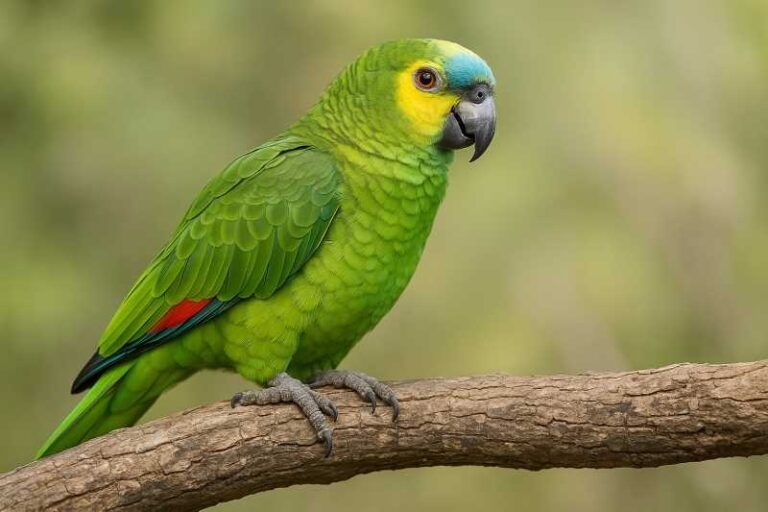
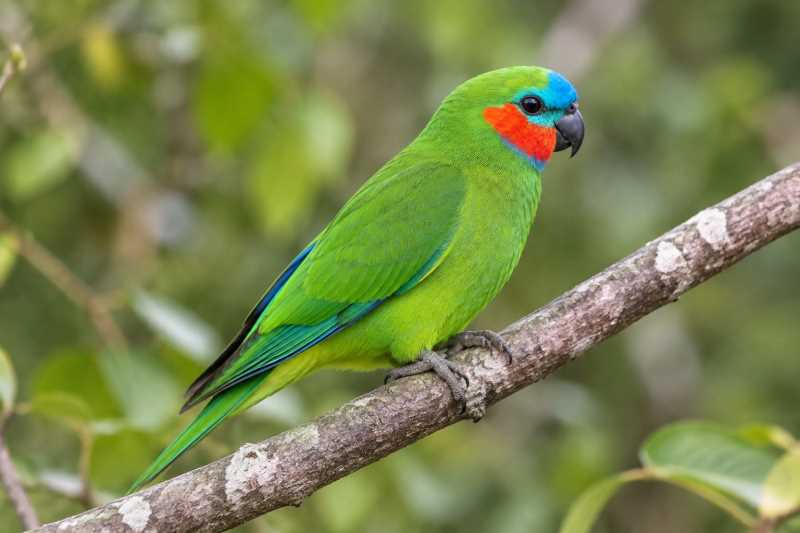
The most striking feature of this parrot is its vivid plumage. The head is adorned with a distinctive blue forehead, which gives the species its name. The rest of the head and body display a vibrant mix of greens and yellows, with occasional splashes of red and blue. This colorful appearance not only serves as a delightful spectacle for birdwatchers but also plays a role in social signaling among flocks.
Diet and Foraging Behavior
As its name suggests, the Blue-fronted Fig Parrot primarily feeds on figs, which are abundant in its habitat. The parrot’s strong beak and dexterous tongue enable it to efficiently extract the nutritious pulp and seeds from figs. However, its diet is not restricted to figs alone. The parrot also consumes a variety of other fruits, seeds, and occasionally insects, which provide essential proteins.
Foraging is often a social activity for these parrots, who can be seen in small flocks fluttering through the forest canopy. This social structure not only enhances their foraging efficiency but also provides safety in numbers from potential predators.
Breeding and Reproduction
The breeding season of the Blue-fronted Fig Parrot typically coincides with periods of fruit abundance, ensuring ample food supply for the growing chicks. Nesting usually occurs in tree cavities, which provide a secure environment for the eggs and hatchlings.
Once the female lays her eggs, both parents share the responsibilities of incubation and feeding the chicks. Parental investment is significant, with both adults actively involved in rearing their young until they are capable of independent survival.
The reproductive success of the Blue-fronted Fig Parrot is closely tied to the availability of suitable nesting sites and food resources, making habitat preservation critical for the species’ continued survival.
Conservation Status and Threats
Currently, the Blue-fronted Fig Parrot is classified as "Least Concern" by the International Union for Conservation of Nature (IUCN). However, like many rainforest-dwelling species, it faces threats from habitat loss due to deforestation and land conversion for agriculture.
Conservation efforts are essential to ensure the preservation of its natural habitat. Initiatives aimed at sustainable forest management and the establishment of protected areas are crucial for maintaining the ecological balance necessary for the survival of this and other forest-dependent species.
The Importance of Continued Research
Ongoing research is vital to understanding the ecological role of the Blue-fronted Fig Parrot within its habitat. Studies focusing on its feeding ecology, breeding patterns, and interactions with other species can provide insights into the broader dynamics of rainforest ecosystems.
Conservationists and ornithologists continue to advocate for increased awareness and research funding to support the preservation of New Guinea’s unique biodiversity. The Blue-fronted Fig Parrot serves as an ambassador for the intricate and delicate balance of rainforest life, highlighting the need for concerted conservation efforts.
In conclusion, the Blue-fronted Fig Parrot is a captivating species that embodies the beauty and complexity of New Guinea’s rainforests. Through dedicated conservation and research efforts, we can ensure that future generations will have the opportunity to marvel at this avian gem in its natural habitat.
Related posts