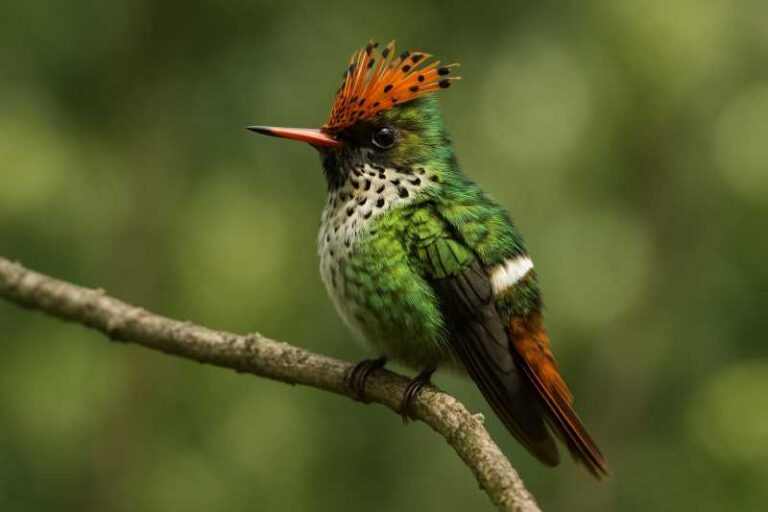
The Vibrant World of the Turquoise-fronted Amazon
The Turquoise-fronted Amazon, scientifically known as Amazona aestiva, is a vibrant and charismatic parrot species native to South America. Known for its striking appearance and engaging personality, this bird has become a popular choice among avian enthusiasts and pet owners alike. This article delves into the fascinating characteristics, habitat, and conservation status of the Turquoise-fronted Amazon, providing a comprehensive overview of this remarkable species.
A Palette of Colors
The Turquoise-fronted Amazon is renowned for its vivid plumage, which is a spectacle of colors. Its body is primarily a rich green, providing a lush backdrop to the more striking features: a turquoise-blue forehead and crown, a yellow face, and hints of red and blue on the wings. This colorful combination not only makes the Turquoise-fronted Amazon visually appealing but also serves as a form of camouflage in its natural habitat, blending seamlessly with the dense foliage of the South American forests.
Habitat and Distribution
These parrots are primarily found in the wild across parts of Brazil, Bolivia, Paraguay, and northern Argentina. They thrive in a variety of environments, ranging from subtropical rainforests and savannas to open woodlands and palm groves. The Turquoise-fronted Amazon’s adaptability to different habitats has been a crucial factor in its survival, although deforestation and habitat destruction pose significant threats to their populations.
Behavior and Social Structure
Turquoise-fronted Amazons are highly social birds, often seen in flocks of up to 30 individuals. In the wild, these flocks engage in intricate social structures, with complex interactions and vocal communications. Known for their intelligence and playful nature, these parrots exhibit a range of behaviors such as mimicry, problem-solving, and social bonding.
In captivity, Turquoise-fronted Amazons are celebrated for their ability to mimic human speech and sounds. Their vocal abilities make them a favorite among bird enthusiasts, although potential owners should be aware of their need for mental stimulation and social interaction to keep them happy and healthy.
Diet and Feeding Habits
The diet of the Turquoise-fronted Amazon in the wild consists largely of seeds, fruits, nuts, berries, and leaf buds. They play an essential role in their ecosystem, as their feeding habits aid in seed dispersal, contributing to forest regeneration. In captivity, a balanced diet for these parrots includes a variety of fruits, vegetables, high-quality pellets, and occasional seeds and nuts to ensure optimal health and well-being.
Breeding and Lifespan
Breeding season for the Turquoise-fronted Amazon typically occurs during the spring and summer months. These birds are monogamous, forming strong pair bonds that last for life. The female usually lays two to five eggs, which she incubates for about 26 to 28 days. Once hatched, both parents are actively involved in feeding and caring for the chicks until they fledge.
Turquoise-fronted Amazons can live up to 60 years in captivity, with some individuals reaching even older ages when provided with proper care. Their long lifespan is a significant commitment for potential pet owners, who must be prepared to provide long-term care and companionship.
Conservation Status
While the Turquoise-fronted Amazon is currently classified as "Least Concern" by the International Union for Conservation of Nature (IUCN), it faces ongoing threats from habitat destruction and the illegal pet trade. Conservation efforts are crucial to ensure the survival of this species in the wild. These efforts include habitat preservation, anti-poaching measures, and educational programs to promote awareness about the ecological importance of these parrots.
Conclusion
The Turquoise-fronted Amazon is more than just a colorful and engaging parrot; it is a vital part of the ecosystems it inhabits. As both a cherished pet and an important ecological player, its conservation is of paramount importance. By understanding and appreciating the unique characteristics and needs of the Turquoise-fronted Amazon, we can contribute to its preservation and ensure that future generations can enjoy the beauty and charm of this remarkable bird.
Related posts