Gosling’s Bunting: A Remarkable Bird of the African Savannas
The avian world is replete with fascinating species, each with its own unique characteristics and ecological significance. Among these, Gosling’s Bunting (Emberiza goslingi) stands out as a particularly intriguing bird, not only due to its distinct appearance but also because of its specialized habitat preferences and behaviors. This article delves into the life and ecology of Gosling’s Bunting, exploring its taxonomy, habitat, behavior, and conservation status.
Taxonomy and Classification
Gosling’s Bunting belongs to the family Emberizidae, which encompasses a diverse group of passerine birds known as buntings and sparrows. The species was first described in the early 20th century and is named in honor of the ornithologist who contributed significantly to its discovery and documentation. Emberiza goslingi is closely related to other buntings found in Africa and shares several morphological traits with them, although it can be differentiated by its distinct plumage and vocalizations.
Physical Description
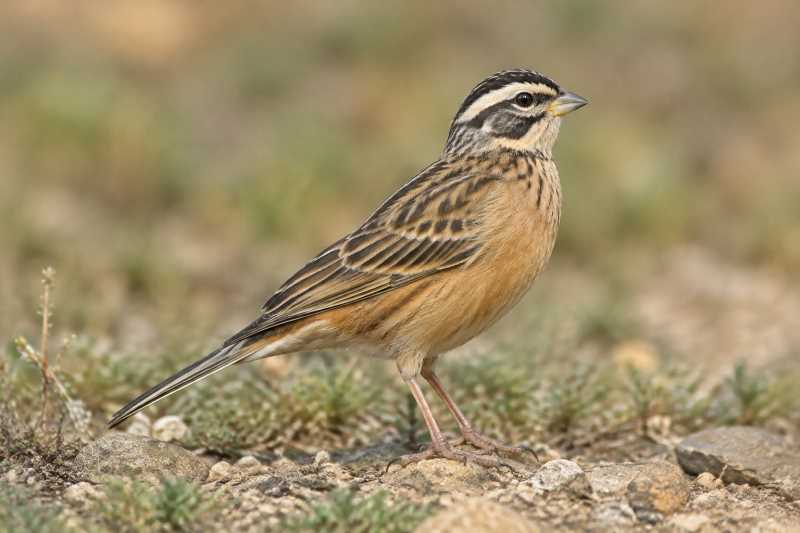
Gosling’s Bunting is a small-sized bird, measuring approximately 14 to 15 centimeters in length. It exhibits sexual dimorphism, with males sporting a more vibrant plumage compared to the relatively muted tones of the females. The male has a striking combination of brown, black, and white markings, with a distinctive black head pattern that sets it apart from other buntings. The female, while less conspicuous, has a subtle beauty with its earthy tones and finely streaked feathers, providing excellent camouflage in its natural habitat.
Habitat and Distribution
This bunting is primarily found in the savannas and open woodland areas of West Africa. Its range extends across several countries, including Nigeria, Cameroon, and Burkina Faso. Gosling’s Bunting favors habitats that offer a mix of grasslands and scattered trees, which provide both foraging opportunities and nesting sites. The bird is well-adapted to the seasonal changes in its environment, often moving in response to the availability of food and water.
Behavior and Diet
Gosling’s Bunting is a diurnal bird, most active during the early morning and late afternoon when it forages for food. Its diet is primarily granivorous, consisting of seeds from various grasses and herbs. However, it also supplements its diet with insects, especially during the breeding season when the demand for protein increases. The bird is known for its characteristic foraging behavior, hopping along the ground and using its bill to sift through leaf litter and soil.
In terms of social behavior, Gosling’s Bunting is generally solitary or found in pairs, particularly during the breeding season. It is territorial, with males often seen singing from prominent perches to establish dominance and attract mates. The song of Gosling’s Bunting is a series of melodious notes, which vary between individuals, contributing to its charm and appeal among birdwatchers.
Breeding and Nesting
The breeding season of Gosling’s Bunting coincides with the rainy season, which typically occurs from May to August. During this time, the abundance of food and favorable climatic conditions support successful reproduction. The female is primarily responsible for building the nest, a cup-shaped structure made from grasses and lined with softer materials such as feathers and hair. Nests are usually placed low in shrubs or tall grasses, providing concealment from predators.
Clutch size generally ranges from two to four eggs, which are incubated by the female for about 12 to 14 days. Once hatched, the chicks are altricial, meaning they are born in a relatively undeveloped state and require extensive parental care. Both parents participate in feeding the young, which fledge approximately two weeks after hatching.
Conservation Status and Threats
Currently, Gosling’s Bunting is classified as a species of Least Concern by the International Union for Conservation of Nature (IUCN). However, like many species, it faces potential threats from habitat loss and degradation. Agricultural expansion, deforestation, and climate change pose significant risks to the savanna ecosystems that Gosling’s Bunting relies on. Conservation efforts focused on habitat preservation and sustainable land use practices are crucial for ensuring the long-term survival of this species.
Conclusion
Gosling’s Bunting is a remarkable bird that exemplifies the rich biodiversity of the African savannas. Its distinct appearance, behavior, and ecological role underscore the importance of preserving its natural habitat. As we continue to explore and understand the complexity of ecosystems, species like Gosling’s Bunting remind us of the interconnectedness of life and the need for concerted conservation efforts. By safeguarding the environments that sustain these unique birds, we contribute to the broader goal of maintaining global biodiversity.
Related posts