Dwarf Tree Mouse (Typhlomys nanus): A Comprehensive Guide
Introduction
The Dwarf Tree Mouse, scientifically known as Typhlomys nanus, is a fascinating and elusive mammal species that inhabits the dense forests of Southeast Asia. Known for its arboreal lifestyle and small size, this species is a member of the Platacanthomyidae family, which is often referred to as spiny dormice. Despite its intriguing characteristics, the Dwarf Tree Mouse remains relatively unknown to the general public due to its elusive nature and limited distribution.
Physical Description
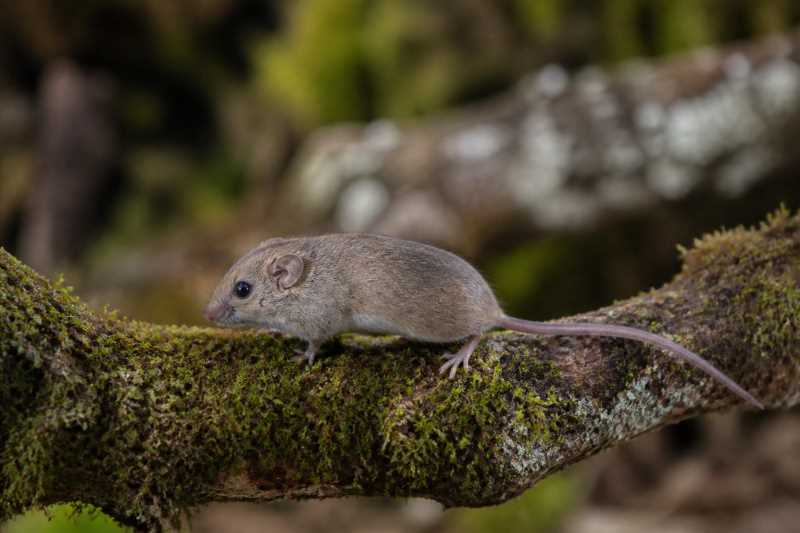
The Dwarf Tree Mouse is aptly named for its diminutive size, typically measuring around 8 to 10 cm in length, excluding the tail, which adds an additional 7 to 9 cm. This species exhibits a soft, dense fur coat that ranges in color from gray to a reddish-brown, providing effective camouflage among the tree bark and foliage. The underbelly is usually lighter, often a creamy white or pale gray.
One of the most distinctive features of the Dwarf Tree Mouse is its large, round eyes that are adapted for nocturnal activity, allowing it to navigate the forest during the night effectively. Its ears are relatively small and rounded, reducing exposure to the elements while still being sensitive enough to detect predators and prey. The tail is prehensile, aiding in balance and movement through the treetops.
Range and Habitat
The Dwarf Tree Mouse is primarily found in the subtropical and tropical forests of Southeast Asia, with its range extending across parts of southern China, northern Vietnam, and Laos. These regions provide the dense canopy cover and abundant vegetation that the species relies upon for shelter and food.
Preferring elevations ranging from 500 to 2,000 meters, the Dwarf Tree Mouse thrives in both primary and secondary forests. It tends to avoid open or disturbed areas, emphasizing its dependence on undisturbed forest ecosystems. The species is also known to inhabit bamboo groves, which provide additional food resources and cover.
Behavior and Diet
As a nocturnal species, the Dwarf Tree Mouse is most active during the night. It is an adept climber, using its prehensile tail and sharp claws to navigate the forest canopy with agility. This arboreal lifestyle minimizes its exposure to ground-based predators.
The diet of the Dwarf Tree Mouse is primarily herbivorous, consisting of seeds, fruits, leaves, and occasionally insects. This varied diet allows it to take advantage of the diverse resources available in its forest habitat. Foraging typically occurs at night, with the mouse using its keen sense of smell and sight to locate food.
Identification Tips
Field recognition of the Dwarf Tree Mouse can be challenging due to its nocturnal habits and preference for dense forest habitats. However, several key features can aid in identification:
- Size and Shape: Look for a small, mouse-like rodent with a length of 8-10 cm, excluding the tail.
- Fur Coloration: Notice the gray to reddish-brown fur with a lighter underbelly.
- Eye Size: Large, round eyes are prominent and adapted for night vision.
- Tail: A long, prehensile tail, often used for balance and grasping branches.
- Habitat: Typically found in dense, subtropical forests and bamboo groves.
Conservation Status
The Dwarf Tree Mouse is currently classified as "Least Concern" by the International Union for Conservation of Nature (IUCN). However, this status does not imply that the species faces no threats. Habitat loss due to deforestation and land conversion for agriculture poses significant risks to its population.
Additionally, climate change and associated weather patterns can impact the availability of food and suitable habitats. Conservation efforts are focused on preserving forest habitats and promoting sustainable land-use practices to mitigate these threats.
Protected areas within its range, such as national parks and wildlife reserves, play a crucial role in safeguarding the Dwarf Tree Mouse’s habitat. Continued research and monitoring are essential to ensure the long-term survival of this species.
Frequently Asked Questions
1. What is the natural habitat of the Dwarf Tree Mouse?
The Dwarf Tree Mouse naturally inhabits subtropical and tropical forests in Southeast Asia, thriving in dense canopy cover and bamboo groves at elevations between 500 and 2,000 meters.
2. How can you identify a Dwarf Tree Mouse in the wild?
Identification can be challenging, but look for a small rodent with gray to reddish-brown fur, large eyes, and a prehensile tail. They are typically found in dense forest habitats.
3. What threats do Dwarf Tree Mice face?
The primary threats to the Dwarf Tree Mouse include habitat loss due to deforestation, agriculture, and climate change. Conservation efforts focus on habitat preservation.
4. Are Dwarf Tree Mice endangered?
Currently, the Dwarf Tree Mouse is classified as "Least Concern" by the IUCN, but habitat loss and environmental changes pose ongoing threats.
5. What is the diet of the Dwarf Tree Mouse?
The Dwarf Tree Mouse primarily feeds on seeds, fruits, leaves, and occasionally insects, depending on resource availability in its forest habitat.
Related posts