Introduction
The Buru Flowerpecker (Dicaeum erythrothorax) is a fascinating little bird, often overlooked in the grand tapestry of avian biodiversity. Endemic to the island of Buru in Indonesia, this species is a testament to the unique and diverse ecosystems found in this part of the world. This article delves into the distinct characteristics, habitat, behavior, and conservation status of the Buru Flowerpecker, highlighting its role within the ecological community of its native environment.
Taxonomy and Description
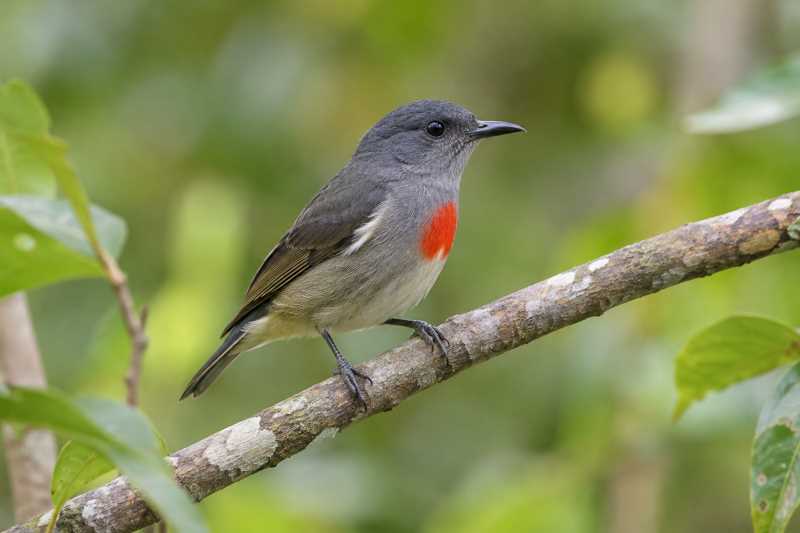
The Buru Flowerpecker belongs to the family Dicaeidae, which encompasses small passerine birds often characterized by their compact bodies and vibrant plumage. The specific epithet, erythrothorax, refers to the reddish coloration of the bird’s breast—a distinguishing feature that aids in its identification. Measuring approximately 9-10 cm in length, the Buru Flowerpecker is a small bird, but its striking appearance makes it a notable member of its habitat.
The male and female Buru Flowerpecker are similar in appearance, both sporting a brilliant red throat and breast, contrasting with their olive-green upperparts and whitish belly. Their short, stout bills are well-adapted for their primary diet of fruits and berries, particularly mistletoe, which plays a significant role in their ecology.
Habitat and Distribution
Endemic to Buru, an island in the Maluku Islands of Indonesia, the Buru Flowerpecker is primarily found in subtropical or tropical moist lowland forests and montane forests. These habitats provide the necessary resources for feeding, breeding, and shelter. The island’s unique geographical features and climate conditions contribute to a rich biodiversity, making it a crucial area for conservation efforts.
The bird’s habitat preference for the dense, humid forests of Buru highlights the importance of these ecosystems in maintaining avian diversity. The availability of food sources like fruiting trees and mistletoe is vital for the survival of Buru Flowerpeckers, as these birds rely heavily on such resources for nutrition.
Behavior and Ecology
The Buru Flowerpecker is primarily frugivorous, although it may occasionally consume insects and spiders, particularly during the breeding season when protein demand is high. Its role as a seed disperser, particularly for mistletoe, underscores its ecological significance. By feeding on fruits and dispersing seeds through their droppings, Buru Flowerpeckers contribute to the regeneration and maintenance of their forest habitats.
These birds are typically seen alone or in pairs, flitting through the forest canopy as they search for food. Their flight is characterized by quick, darting movements, which makes them a challenge to observe for extended periods. Vocalizations of the Buru Flowerpecker are often described as high-pitched and repetitive, serving as a means of communication between individuals, especially during the breeding season.
Breeding and Reproduction
Little is known about the specific breeding habits of the Buru Flowerpecker, which is a common challenge in studying avian species in remote or isolated locations. However, like many small passerines, they are likely to have a breeding season that coincides with the availability of food resources. Nesting is presumed to occur in the dense foliage of the forest, where they can find protection from predators.
Understanding the breeding biology of the Buru Flowerpecker is crucial for conservation efforts, as it can provide insights into population dynamics and the impact of environmental changes on reproductive success.
Conservation Status and Threats
The Buru Flowerpecker is currently listed as Near Threatened on the IUCN Red List. This status reflects concerns about habitat loss due to deforestation, agriculture, and other human activities on the island of Buru. As forests are cleared or degraded, the availability of essential resources for the Buru Flowerpecker diminishes, posing a significant threat to its population.
Conservation efforts must focus on habitat protection and restoration to ensure the survival of this species. Initiatives that promote sustainable land use and the establishment of protected areas are vital for preserving the unique avian communities of Buru.
Conclusion
The Buru Flowerpecker is a small yet significant part of the ecosystem on the island of Buru. Its vibrant presence and ecological role as a seed disperser highlight the intricate connections within forest habitats. Conservation efforts tailored to preserving its natural environment are essential not only for the Buru Flowerpecker but also for the broader biodiversity that thrives on this Indonesian island. Protecting such species and their habitats ensures the continuation of ecological processes that sustain life on Earth.
References
- BirdLife International. "Dicaeum erythrothorax: Buru Flowerpecker." IUCN Red List of Threatened Species.
- Coates, B. J., Bishop, K. D., & Gardner, D. (2000). "A Guide to the Birds of Wallacea: Sulawesi, the Moluccas and Lesser Sunda Islands, Indonesia."
- del Hoyo, J., Elliott, A., & Christie, D. (Eds.). (2008). "Handbook of the Birds of the World, Vol. 13: Penduline-tits to Shrikes." Lynx Edicions.
Related posts