The Silver-Capped Fruit Dove: A Jewel of the Solomon Islands
The avian world is rich with species that captivate ornithologists and bird enthusiasts alike. One such captivating species is the Silver-capped Fruit Dove (Ptilinopus richardsii), a bird that is not only a visual delight but also an integral part of its ecosystem. Native to the Solomon Islands, this dove is a testament to the vibrant biodiversity of the region.
Taxonomy and Classification
The Silver-capped Fruit Dove belongs to the family Columbidae, which encompasses a wide range of pigeons and doves. The genus Ptilinopus is notable for its colorful fruit doves, and Ptilinopus richardsii is no exception. This species was first described in 1879 by the English ornithologist Henry Baker Tristram. The specific epithet, richardsii, honors a person named Richards, though historical records provide limited information about their identity.
Physical Characteristics
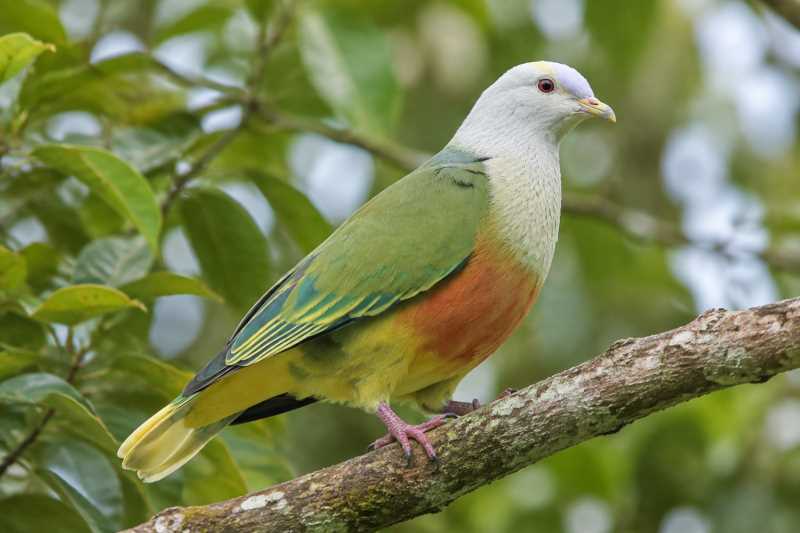
The Silver-capped Fruit Dove is a medium-sized bird, measuring approximately 20–24 centimeters in length. Its most striking feature is its vibrant plumage. The head is adorned with a distinctive silvery cap, which gives the bird its common name. The rest of the body is a harmonious blend of rich greens and yellows, with touches of purple and blue on the wings and tail. The underparts are typically a lighter green, providing a subtle contrast to the vivid upper body.
The bird’s eyes are surrounded by a thin red ring, adding an additional splash of color that complements the overall palette. This colorful appearance serves not only as a visual spectacle for observers but also as a means of camouflage among the dense foliage of its forest habitat.
Habitat and Range
Endemic to the Solomon Islands, the Silver-capped Fruit Dove is primarily found in subtropical or tropical moist lowland forests. It favors areas with abundant fruiting trees, as its diet consists mainly of various fruits and berries. The islands’ lush vegetation provides ample food and nesting sites, making it an ideal environment for this frugivorous bird.
The species is most commonly observed in forest canopies and edges, where it can be seen foraging for food or engaging in social interactions with other doves. While the Silver-capped Fruit Dove is not considered migratory, it may exhibit some local movement in response to food availability and seasonal changes.
Behavior and Ecology
The Silver-capped Fruit Dove is a relatively solitary bird, often seen alone or in pairs. However, during the breeding season, it may form loose flocks. Its call is a soft, melodious cooing, which can be heard echoing through the forest canopy.
Reproduction involves the construction of a simple nest made of twigs and leaves. Typically, a single white egg is laid, and both parents take turns incubating the egg and feeding the chick once hatched. This cooperative breeding strategy ensures a higher chance of survival for the offspring.
As a frugivore, the Silver-capped Fruit Dove plays a crucial role in seed dispersal. By consuming fruits and excreting the seeds elsewhere, the dove contributes to the regeneration and spread of its forest habitat. This ecological role underscores the importance of the species in maintaining the health and diversity of its ecosystem.
Conservation Status
The International Union for Conservation of Nature (IUCN) currently classifies the Silver-capped Fruit Dove as a species of Least Concern. However, like many island species, it faces potential threats from habitat destruction, invasive species, and climate change.
Deforestation for agriculture and logging poses a significant risk to the dove’s habitat. Invasive species, such as rats and cats, can also impact its population by preying on eggs and young birds. Additionally, climate change may alter the distribution of fruiting trees, affecting the availability of food resources.
Conservation efforts in the Solomon Islands are vital to ensuring the long-term survival of the Silver-capped Fruit Dove. These efforts include habitat protection, invasive species management, and community engagement to promote sustainable land-use practices.
Conclusion
The Silver-capped Fruit Dove is more than just a beautiful bird; it is a vital component of its ecosystem. Its presence highlights the rich biodiversity of the Solomon Islands and the importance of preserving such unique habitats. While currently not endangered, proactive conservation measures are essential to safeguard this species for future generations. In doing so, we not only protect a single species but also contribute to the overall health and resilience of the island’s ecosystem.
In summary, the Silver-capped Fruit Dove is a symbol of the natural beauty and ecological complexity of the Solomon Islands. Protecting this jewel of the avian world ensures that it continues to thrive in its native environment, delighting those who have the privilege to observe it in the wild.
Related posts