The Enigmatic North Moluccan Pitta: A Jewel of the Indonesian Archipelago
The North Moluccan Pitta, scientifically known as Erythropitta rufiventris, is a captivating bird that calls the lush forests of the North Maluku Islands in Indonesia its home. Renowned for its vibrant plumage and elusive nature, this avian gem continues to intrigue ornithologists and bird enthusiasts alike. This article delves into the unique characteristics, habitat, behavior, and conservation status of this remarkable species.
A Glimpse into the North Moluccan Pitta
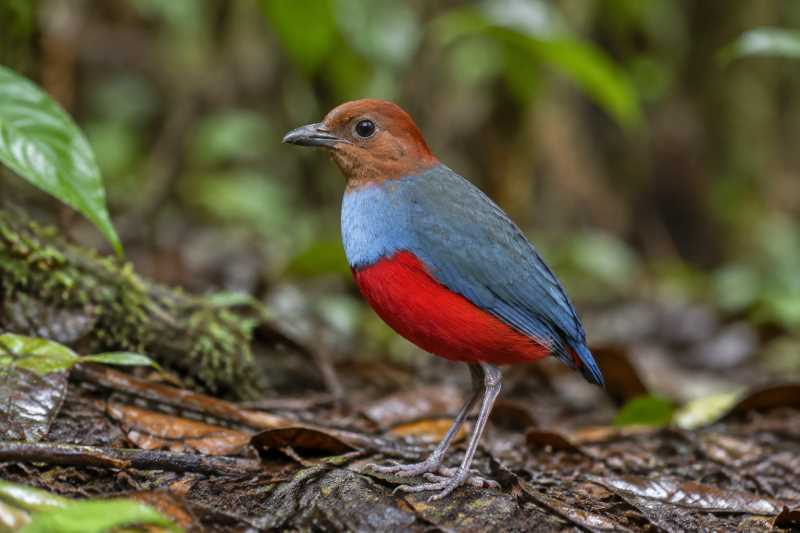
The North Moluccan Pitta is a member of the Pittidae family, which is known for its strikingly colorful members and ground-dwelling habits. Measuring approximately 18 centimeters in length, this medium-sized bird is adorned with a vivid combination of colors. Its upperparts display a rich combination of greens and blues, while its underparts are a striking reddish-orange. The bird’s head features a distinctive black cap and a contrasting white throat, making it easily recognizable.
This species was first described in the mid-19th century and has since been a subject of interest due to its limited distribution and visually stunning appearance. The North Moluccan Pitta’s scientific name, Erythropitta rufiventris, reflects its vibrant red belly, with ‘erythro’ meaning red in Greek and ‘ventris’ indicating the abdomen.
Habitat and Distribution
The North Moluccan Pitta is endemic to the islands of Halmahera, Morotai, Bacan, and Obi in the North Maluku province of Indonesia. These islands, part of the larger Maluku archipelago, provide the dense, humid forest environments that are essential for the bird’s survival. The species favors lowland rainforests but can also be found in secondary forests and occasionally in plantations, as long as there is sufficient undergrowth and leaf litter.
The dense canopy and rich biodiversity of these forests offer an ideal setting for the North Moluccan Pitta, providing ample food sources and nesting sites. The bird’s preference for lowland areas makes it particularly vulnerable to habitat loss due to deforestation for agriculture and logging.
Behavior and Ecology
North Moluccan Pittas are known for their secretive nature, often remaining hidden in the dense undergrowth of their forest habitats. They are ground foragers, feeding primarily on insects, worms, and other small invertebrates found in the leaf litter. Their foraging behavior is characterized by short hops and quick, probing movements as they search for food.
This species is typically solitary or found in pairs, especially during the breeding season. The breeding habits of the North Moluccan Pitta are not extensively documented, but like other pittas, they are believed to construct dome-shaped nests on the ground or in low shrubs, using leaves and other plant materials.
The North Moluccan Pitta is known for its distinctive vocalizations, which are often used to establish territory and attract mates. Their calls are described as a series of melodious whistles, carrying through the dense forest.
Conservation Status and Challenges
The International Union for Conservation of Nature (IUCN) currently lists the North Moluccan Pitta as Near Threatened. The primary threat facing this species is habitat loss due to deforestation. As the forests of the North Maluku Islands are cleared for agriculture, logging, and development, the available habitat for the North Moluccan Pitta shrinks, posing a significant risk to its population.
Conservation efforts are crucial to ensure the survival of this species. Protecting large areas of forest habitat, enforcing sustainable land-use practices, and raising awareness about the unique biodiversity of the North Maluku region are essential steps in preserving the North Moluccan Pitta. Additionally, further research into the species’ ecology and behavior is needed to inform effective conservation strategies.
The Importance of Biodiversity Conservation
The story of the North Moluccan Pitta highlights the broader challenges of biodiversity conservation in regions like the Indonesian archipelago, which is home to many endemic and threatened species. Protecting these habitats is not only vital for preserving individual species but also for maintaining the ecological balance and health of these environments.
As global awareness of biodiversity loss increases, efforts to conserve species like the North Moluccan Pitta serve as a reminder of the intricate and interconnected nature of life on Earth. By prioritizing the conservation of such species, we contribute to the broader goal of preserving our planet’s rich natural heritage for future generations.
In conclusion, the North Moluccan Pitta stands as a symbol of the vibrant and fragile beauty of Indonesia’s avian diversity. Through concerted conservation efforts and increased understanding of its ecological needs, we can ensure that this enigmatic bird continues to thrive in its natural habitat.
Related posts