Introduction
The Vanuatu Megapode, also called the Vanuatu Scrubfowl, is an endemic ground-dwelling bird of Vanuatu. Its scientific name is Megapodius layardi. Like other megapodes, it does not incubate its eggs with body heat. Instead, it buries them in sites warmed by decaying vegetation, volcanic soils or sunlight.
Physical Description
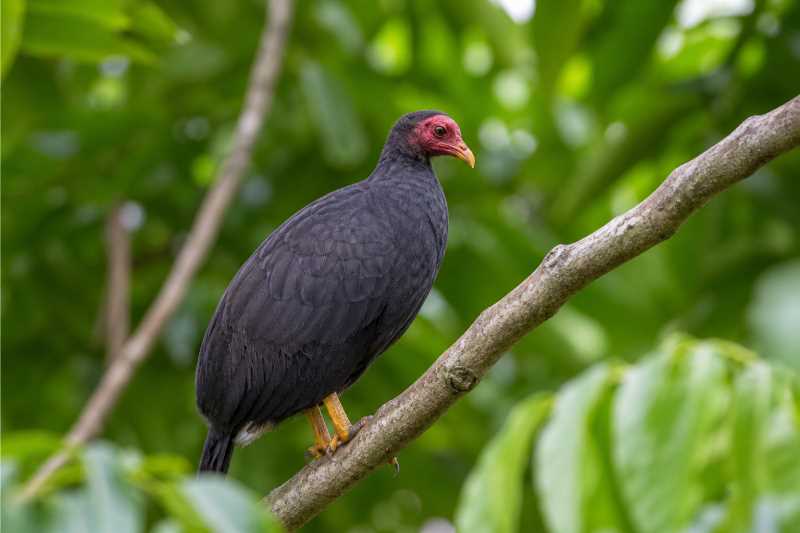
The Vanuatu Megapode is a medium-sized, chicken-shaped bird with a robust body, strong legs and a short tail. Its plumage is mainly slate-grey to brownish-grey, providing camouflage in forest undergrowth. The face is red and relatively bare, while the legs are stout and yellow. A short crest is visible on the head.
Reliable published information on body length, body mass and age-related plumage differences is limited. Males and females are not known to show obvious differences in overall field appearance, so calls, habitat and behaviour can be important when identifying the species.
Range and Habitat
The Vanuatu Megapode is endemic to Vanuatu and is not migratory. It has been recorded on several islands, including Ambrym and Malakula, and has also been reported from other islands in the archipelago. Recent field surveys documented the species in forest near Lingarak Village on Malakula, where active nest burrows were also reported.
It mainly uses moist lowland forest, forest edges, thickets and disturbed woodland, although it may also occur around gardens and other areas with suitable cover. Records generally come from low elevations, but the species can occur inland where appropriate forest and nesting conditions remain available.
Its distribution is closely linked to suitable incubation sites. These may occur between decaying tree roots, in communal burrow grounds warmed by volcanic soils, or in sun-exposed sandy areas.
Where to See This Species
Ambrym Megapode Reserve, Ambrym, Malampa Province, Vanuatu
The Ambrym Megapode Reserve and the wider Ambrym West Key Biodiversity Area are among the best-documented places to look for this species. The north-western and western parts of Ambrym support forest habitat and known communal nesting areas, including the Buwoma Beach area. Access can be difficult, and visits should be arranged with local communities or experienced guides. Listening for calling birds in forest during the early morning may be more productive than expecting a clear view, as the species is secretive and spends much of its time on the ground.
Nearby accommodation: Village guesthouses and homestays in north-west Ambrym are the most practical options, with Craig Cove serving as a useful island gateway for travel planning.
Behaviour and Diet
The Vanuatu Megapode is primarily terrestrial. It forages by scratching through damp leaf litter and soil with its large feet, searching for insects, grubs, snails, worms and other invertebrates. It also takes fruit, seeds and other plant material.
The species is usually encountered alone or in pairs, although several birds may use the same communal nesting ground. It generally runs through dense vegetation and may fly only when necessary, such as when escaping danger or reaching a roosting site. It is largely sedentary, although occasional movement to nearby offshore islets has been reported.
Breeding behaviour is unusual. Females lay eggs in burrows rather than building a conventional nest. On Ambrym, eggs have been found between decaying tree roots, in burrows within volcanically warmed soil and in burrows on sun-exposed beaches. No mound-building was recorded in the detailed Ambrym study. Several females may use the same communal nesting ground, and the eggs are left to develop without parental incubation or post-hatching care.
Identification Tips
Look for a chicken-sized, slate-grey bird moving through forest undergrowth with a short tail, a small crest, a red face and stout yellow legs. Its heavy build and habit of scratching in leaf litter are useful clues.
The species is more often heard than seen. Morning calls can help locate birds in dense forest, and occasional night-time vocal activity has also been recorded. Nest burrows, disturbed soil and communal nesting areas may indicate its presence, but burrows should not be approached or disturbed.
Conservation Status
The Vanuatu Megapode is currently assessed as Least Concern on the IUCN Red List, following a 2024 reassessment from the former Vulnerable category. This global assessment does not mean that all local populations are secure. The species remains poorly studied, and some localities have reported declining numbers of birds or eggs.
The principal threats include the collection of eggs for food, loss and degradation of forest habitat, cyclones, volcanic activity and predation by introduced or feral animals such as cats and pigs. Conservation measures include protecting communal nesting grounds, reducing unsustainable egg collection, monitoring active burrows, retaining forest habitat and working with local communities. Local knowledge and community-led management are particularly important because many nesting sites occur outside formally managed reserves.
Frequently Asked Questions
Where is the Vanuatu Megapode found?
The Vanuatu Megapode is found only in Vanuatu. Documented records include Ambrym and Malakula, with additional records from other islands in the archipelago.
Why is it called a megapode?
Megapodes are a family of ground-dwelling birds with large feet used for scratching, digging and handling nesting material. They are also known for burying their eggs and relying on environmental heat for incubation.
Does the Vanuatu Megapode build a nest mound?
The species uses several incubation strategies. On Ambrym, eggs have been recorded in burrows between decaying roots, in volcanically warmed soil and on sun-exposed beaches. A detailed study found no mound-building at the Ambrym sites examined.
What does the Vanuatu Megapode eat?
Its diet includes insects, grubs, snails, worms and other invertebrates, together with fruit, seeds and other plant material found while foraging through leaf litter.
Can the Vanuatu Megapode fly?
Yes. Although it spends much of its time on the ground and usually runs through vegetation, it can fly when escaping danger or moving to a roosting site.
Is the Vanuatu Megapode endangered?
The current global IUCN Red List assessment is Least Concern. Nevertheless, local populations face threats from egg collection, habitat degradation, cyclones, volcanic activity and introduced predators, so continued monitoring and community conservation remain important.
References
- BirdLife International
- IUCN Red List of Threatened Species
- Bird Conservation International
Related posts