The Eurasian Skylark: A Melodious Marvel of the Skies
The Eurasian Skylark (Alauda arvensis) is a small passerine bird celebrated for its extraordinary song, which has inspired poets, musicians, and naturalists for centuries. This avian species is found across Europe, Asia, and parts of North Africa, thriving in a variety of habitats from farmlands to moorlands. Known for its characteristic song flight, the Eurasian Skylark is not only a symbol of rural life but also a subject of significant ecological interest.
Physical Characteristics
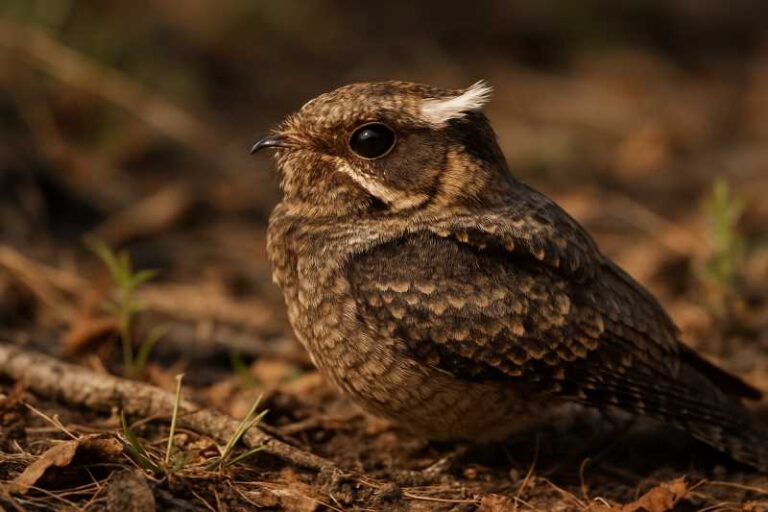
The Eurasian Skylark is a relatively small bird, measuring about 16 to 18 centimeters in length with a wingspan ranging from 30 to 36 centimeters. Its plumage is predominantly brown with streaks, providing excellent camouflage against the ground, where it often nests and forages. The bird’s underparts are lighter, with a subtle buff color, and its tail is marked with white edges. One of the most distinguishing features of the skylark is its crest, which can be raised when the bird is excited or alarmed.
Habitat and Distribution
Eurasian Skylarks are highly adaptable birds found in a wide range of open habitats. They thrive in agricultural lands, grasslands, heathlands, and even coastal dunes. Their geographical range extends from the British Isles across Europe and Asia to the Pacific coast. During the winter months, many populations migrate southward, although some remain year-round in milder climates. The bird’s adaptability to diverse environments is a testament to its resilience, although changes in agricultural practices have impacted its populations in recent years.
Behavior and Diet
These birds are primarily ground-dwellers, feeding on a diet that includes seeds, grains, and a variety of insects. They are known for their distinctive behavior of running rapidly along the ground and foraging with quick, darting movements. During the breeding season, which runs from April to August, skylarks become more conspicuous as males perform their famous song flights. Rising almost vertically, they hover high above the ground while delivering a continuous, melodious song that can last for several minutes. This display serves to establish territory and attract a mate.
Reproduction
The Eurasian Skylark’s nesting habits are typical of ground-nesting birds. Females construct a cup-shaped nest made of grasses and plant materials, usually hidden among tall vegetation. A clutch typically contains three to five eggs, which are incubated primarily by the female for about 11 days. After hatching, both parents feed the chicks, which fledge approximately 10 days later. Skylarks may have two or even three broods in a single breeding season, depending on environmental conditions.
Conservation Status
The Eurasian Skylark has experienced population declines in several parts of its range, primarily due to changes in agricultural practices. Intensive farming, the use of pesticides, and habitat loss have all contributed to reducing suitable breeding and foraging areas. Conservation efforts are underway in many regions to address these challenges, including promoting skylark-friendly farming practices and preserving important habitats. In the UK, for instance, agri-environment schemes encourage farmers to set aside skylark plots, which are undisturbed patches of land left to provide nesting sites.
Cultural Significance
The Eurasian Skylark holds a special place in culture and literature. Its song has been celebrated in works by poets such as Percy Bysshe Shelley and George Meredith, and it has been a source of inspiration for composers like Ralph Vaughan Williams. The bird’s ability to rise high into the sky while singing is often seen as a symbol of hope and freedom, resonating deeply within the human spirit.
In conclusion, the Eurasian Skylark is a remarkable bird whose song and behavior make it a beloved figure in both the natural world and human culture. While it faces challenges from modern agricultural practices, ongoing conservation efforts offer hope for its continued presence in our skies, ensuring that future generations can also enjoy the skylark’s joyous song.
Related posts