The Chinese Beautiful Rosefinch: A Jewel of the Avian World
The Chinese Beautiful Rosefinch, scientifically known as Carpodacus davidianus, is a remarkable species that graces the high-altitude regions of Central Asia. Revered for its striking plumage and charming demeanor, this bird is an excellent subject for ornithologists and bird enthusiasts alike. This article provides an in-depth exploration of the Chinese Beautiful Rosefinch, delving into its habitat, physical characteristics, behavior, and conservation status.
Habitat and Distribution
The Chinese Beautiful Rosefinch is native to the mountainous regions of Central Asia, predominantly found in China’s Qinghai, Gansu, and Sichuan provinces. This species thrives in high-altitude environments, often between 3,000 to 5,000 meters above sea level. The rosefinch is typically associated with alpine meadows, shrublands, and open coniferous forests, where it finds ample food and shelter.
These areas offer a unique ecological niche, providing a combination of vegetation and climate that supports the rosefinch’s lifestyle. The harsh winters and short summers of these regions have shaped the species’ adaptive behaviors, making it a resilient survivor in a challenging climate.
Physical Characteristics
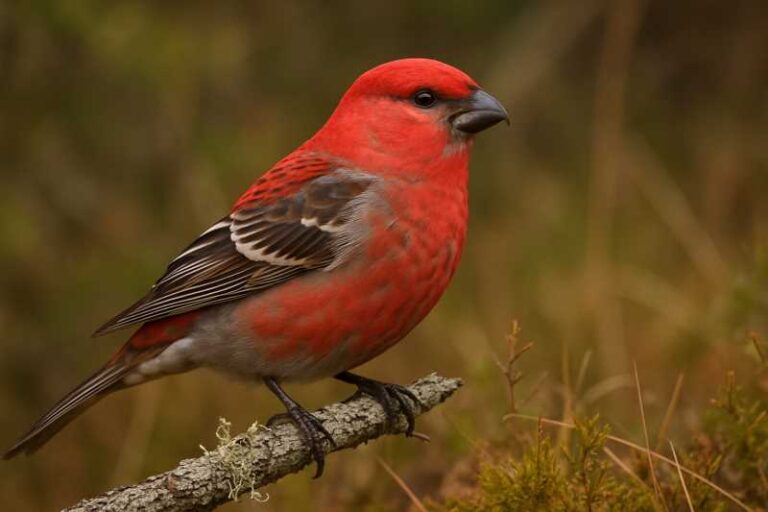
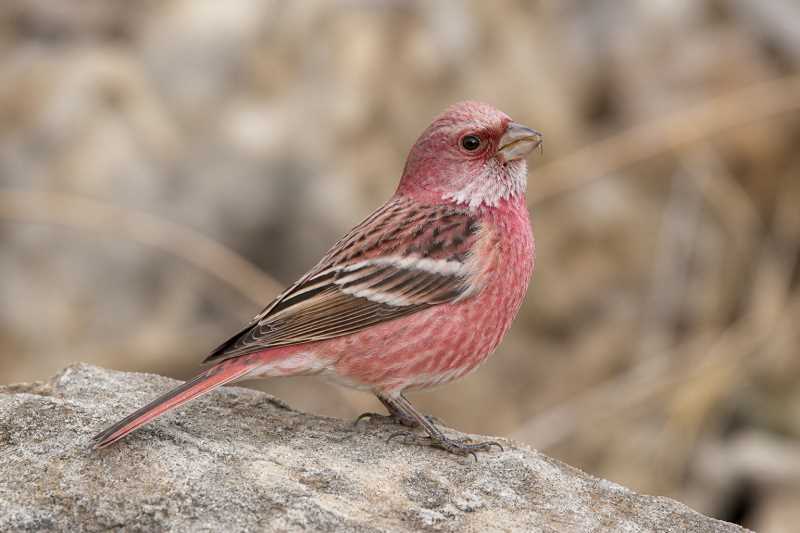
The allure of the Chinese Beautiful Rosefinch lies largely in its vibrant plumage. Males boast a striking combination of rosy-red and pink feathers, with the intensity of coloration varying with the season and individual age. The head, breast, and rump are typically the most vivid, while the wings and tail feature darker tones with subtle pink highlights. Females, on the other hand, exhibit more subdued colors, with browns and grays dominating their plumage, providing them with effective camouflage in their natural habitats.
Both sexes are similar in size, measuring about 15 to 17 centimeters in length, with a wingspan of approximately 25 to 27 centimeters. Their stout, conical bills are perfectly adapted for foraging seeds, which comprise the bulk of their diet.
Behavior and Diet
The Chinese Beautiful Rosefinch is a highly social bird, often seen in small flocks outside the breeding season. Their social structure is relatively simple, with little evidence of hierarchical behavior within groups. These flocks are not only efficient for foraging but also provide safety in numbers against potential predators.
The diet of the rosefinch primarily consists of seeds, buds, and occasionally small insects. During the breeding season, they may expand their diet to include more protein-rich foods to support the nutritional demands of raising young. Foraging occurs both on the ground and in the shrubbery, utilizing their strong beaks to crack open seeds.
Breeding occurs during the summer months, with pairs establishing territories and building nests in dense shrubs or low trees. The female typically lays 3 to 5 eggs per clutch, which she incubates for about two weeks. Both parents share responsibilities in feeding and protecting the young until they fledge.
Conservation Status
Currently, the Chinese Beautiful Rosefinch is not considered to be at risk, classified as Least Concern by the International Union for Conservation of Nature (IUCN). However, like many species dependent on specific habitats, they are potentially vulnerable to environmental changes. Habitat destruction, climate change, and human interference could pose threats in the future.
Efforts to monitor their populations are crucial to ensure they remain stable. Conservationists emphasize the importance of preserving the natural habitats where these birds thrive. This includes protecting alpine meadows and forested areas from deforestation and the effects of climate change.
Conclusion
The Chinese Beautiful Rosefinch is a testament to nature’s beauty and resilience, captivating all who are fortunate enough to observe it. Its vibrant plumage and adaptive traits make it a fascinating subject for study and admiration. Preserving their natural habitats and understanding their ecological needs will ensure that future generations can continue to enjoy the presence of these beautiful birds in the wild.
By fostering a deeper appreciation for such species, we can contribute to broader conservation efforts that protect not only the Chinese Beautiful Rosefinch but also the diverse ecosystems they inhabit.
Related posts