Introduction
The Ixtlán deermouse, scientifically known as Habromys ixtlani, is a fascinating rodent species native to Mexico. Belonging to the family Cricetidae, this elusive mammal is an integral part of the biodiversity in its native range. Despite its relatively obscure status, the Ixtlán deermouse plays a crucial role in the ecosystem as both prey and seed disperser, thereby contributing to the health and balance of its habitat. This article delves into the various aspects of the Ixtlán deermouse, including its physical characteristics, habitat preferences, behavior, and conservation status.
Physical Description
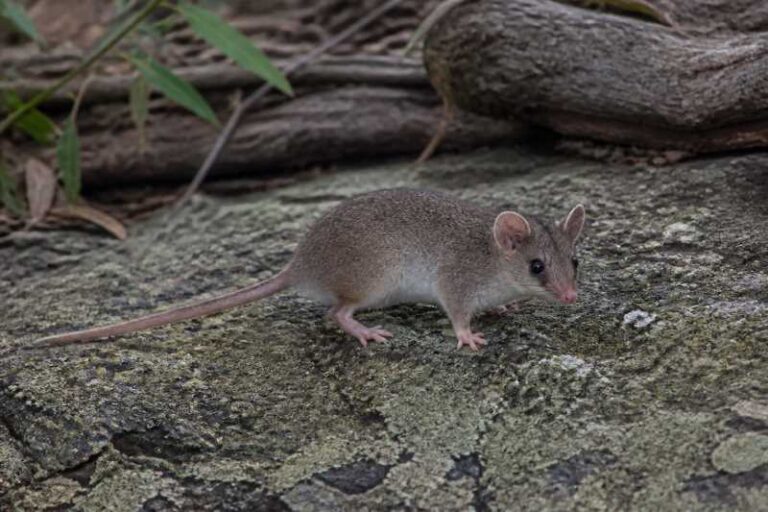
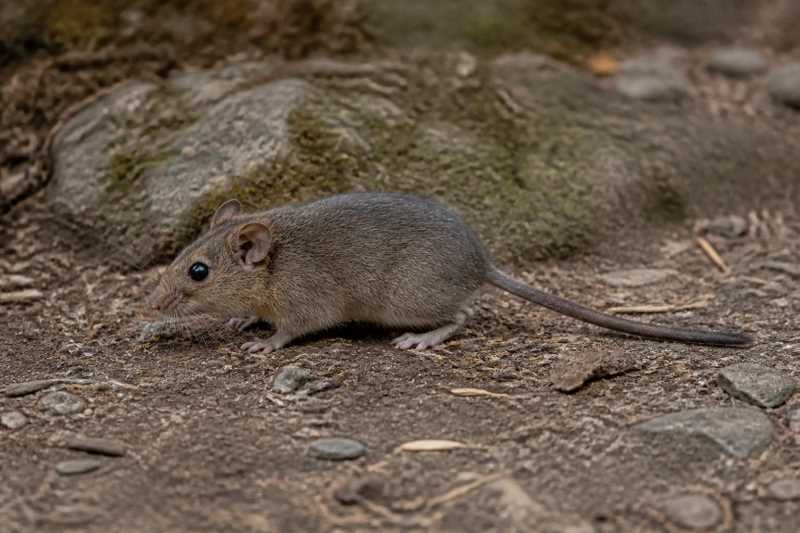
The Ixtlán deermouse is characterized by its small to medium size, with a body length ranging from 8 to 12 centimeters and a tail length of approximately 10 to 15 centimeters. This species exhibits a distinct pelage that is generally soft and plush, with a coloration that ranges from greyish-brown to a more muted tan on the dorsal side, while the ventral side is typically a lighter shade, often appearing white or cream. The tail is sparsely haired, which differentiates it from other rodent species with bushier tails. The ears are moderately sized and rounded, complementing the mouse’s keen sense of hearing.
One of the distinguishing features of the Ixtlán deermouse is its large, prominent eyes, which suggest a nocturnal lifestyle. The whiskers are long and sensitive, aiding in navigation and environmental awareness. The limbs are slender, with the hind legs being slightly longer, facilitating agile movements and jumping capabilities.
Range and Habitat
The Ixtlán deermouse is endemic to Mexico, specifically found in the highland regions of Oaxaca. Its habitat is primarily montane forests, where it thrives in the cool, moist conditions typically found at higher elevations. These forests are rich in biodiversity, providing ample resources for the deermouse in terms of food and shelter.
The preferred habitat includes areas with dense undergrowth and abundant leaf litter, which offer both protection from predators and a suitable environment for foraging. The Ixtlán deermouse is also known to inhabit regions with a mix of pine and oak trees, which offer diverse ecological resources. The availability of seeds, fruits, and insects in these areas supports their dietary requirements.
Behavior and Diet
The Ixtlán deermouse is primarily nocturnal, meaning it is most active during the night. This nocturnal behavior helps it avoid many predators that hunt during the day. During the night, the deermouse forages for food, which consists mainly of seeds, fruits, and insects. Its diet can vary depending on the season and availability of resources, reflecting its adaptability to environmental changes.
Socially, the Ixtlán deermouse is relatively solitary, although it may occasionally interact with others for mating or in areas with abundant food resources. Communication is likely facilitated through vocalizations and scent markings, common behaviors observed in small mammals to establish territory and convey reproductive status.
Identification Tips (Field Recognition Cues)
Identifying the Ixtlán deermouse in the field requires careful observation of several key characteristics:
- Size and Shape: Look for a small rodent with a body length of 8 to 12 cm and a tail longer than its body. The slender build and longer hind legs are notable identifiers.
- Coloration: Note the greyish-brown to tan dorsal fur contrasted with a lighter, typically white or cream, ventral side.
- Tail: A sparsely haired tail that is roughly the same length as the body is a distinguishing feature.
- Eyes and Ears: Large eyes and moderately sized, rounded ears are indicative of this species.
- Habitat: If observed in the montane forests of Oaxaca, particularly in areas with dense undergrowth and leaf litter, it is likely the Ixtlán deermouse.
Conservation Status (With Threats and Protections)
The conservation status of the Ixtlán deermouse has been of concern due to habitat loss and fragmentation, primarily driven by deforestation and land-use changes. These activities not only reduce the available habitat but also impact the ecological dynamics, making it challenging for species like the Ixtlán deermouse to thrive.
Currently, there is limited specific protection for the Ixtlán deermouse, though conservation efforts aimed at preserving montane forest ecosystems indirectly benefit this species. Establishing protected areas and promoting sustainable forest management practices are crucial for ensuring the survival of this species.
Efforts to conduct further research on the population size and distribution of the Ixtlán deermouse are necessary to develop targeted conservation strategies. Engaging local communities in conservation efforts and raising awareness about the importance of biodiversity can also contribute to the protection of this unique species.
Frequently Asked Questions
1. What is the Ixtlán deermouse’s primary diet?
The Ixtlán deermouse primarily feeds on seeds, fruits, and insects. Its diet can vary with seasonal availability, reflecting its adaptability.
2. Where can the Ixtlán deermouse be found?
The Ixtlán deermouse is endemic to the highland regions of Oaxaca, Mexico, particularly in montane forests with dense undergrowth.
3. What are the main threats to the Ixtlán deermouse?
The main threats include habitat loss and fragmentation due to deforestation and land-use changes in its native region.
4. How can one identify an Ixtlán deermouse?
Identification can be based on its small size, greyish-brown to tan coloration, large eyes, rounded ears, and a sparsely haired tail.
5. Why is conservation important for the Ixtlán deermouse?
Conservation is crucial to maintain biodiversity and ecosystem balance, as the Ixtlán deermouse plays a role in seed dispersal and as prey for other wildlife.
Related posts