The Wood Pipit (Anthus nyassae): An In-Depth Exploration
Introduction
The Wood Pipit, scientifically known as Anthus nyassae, is a fascinating bird species that belongs to the family Motacillidae. This family, which includes pipits and wagtails, is renowned for its adaptation to a variety of habitats across the globe. The Wood Pipit, in particular, is native to a specific region in Africa and is known for its distinctive characteristics and behaviors. This article aims to provide a comprehensive overview of the Wood Pipit, delving into its taxonomy, physical characteristics, habitat, behavior, diet, reproduction, conservation status, and its significance in the ecosystem.
Taxonomy and Classification
The Wood Pipit is classified under the genus Anthus, which encompasses a variety of pipit species spread across different continents. The species name nyassae is derived from the Nyasa region, a nod to its geographical roots. The taxonomy of the Wood Pipit is as follows:
- Kingdom: Animalia
- Phylum: Chordata
- Class: Aves
- Order: Passeriformes
- Family: Motacillidae
- Genus: Anthus
- Species: A. nyassae
This classification highlights the Wood Pipit’s place within the avian world, emphasizing its connection to other pipits and wagtails.
Physical Characteristics
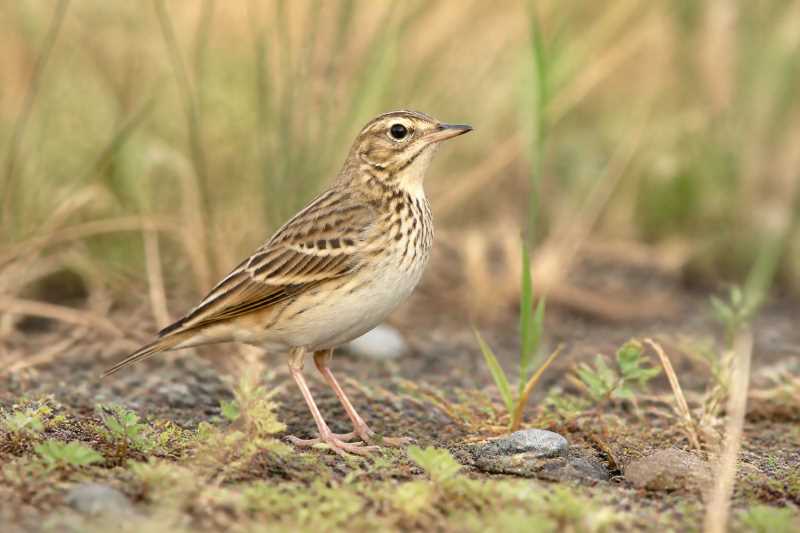
The Wood Pipit is a small to medium-sized bird, typically measuring between 15 to 17 centimeters in length. It exhibits a slender physique with a long tail and relatively long legs, adaptations that facilitate its ground-dwelling habits. The plumage of the Wood Pipit is predominantly brown with subtle streaks that provide excellent camouflage against the forest floor. The underparts are generally lighter, often whitish, with variable streaking.
One of the distinguishing features of the Wood Pipit is its melodious song, which is often delivered in flight. This song plays a crucial role in territorial displays and mating rituals. The bird’s bill is fine and pointed, perfectly suited for its insectivorous diet.
Habitat and Distribution
The Wood Pipit is primarily found in the montane and submontane forests of Southern and Eastern Africa. Its range includes countries such as Malawi, Tanzania, Zambia, and Mozambique, with occasional sightings in surrounding regions. This species prefers habitats that combine open spaces with patches of woodland, where it can forage on the ground while remaining close to cover.
The Wood Pipit is an adaptable bird, capable of thriving in various forest types, including miombo woodlands, which are characterized by a rich diversity of flora and fauna. These woodlands provide both food and shelter, making them ideal for the Wood Pipit’s survival.
Behavior and Ecology
Wood Pipits are primarily ground feeders, exhibiting a characteristic "walk and run" foraging behavior. They are known for their agility, often darting between shrubs and trees as they search for food. This species is predominantly insectivorous, feeding on a variety of insects and other small invertebrates. During the dry season, when insects are less abundant, Wood Pipits may supplement their diet with seeds and berries.
Socially, Wood Pipits are generally solitary or found in pairs, particularly during the breeding season. They are territorial birds, with males often seen performing aerial displays to establish dominance and attract mates. These displays are accompanied by their distinctive songs, which serve both as a mating call and a territorial warning.
Reproduction and Lifespan
The breeding season for Wood Pipits typically coincides with the rainy season, a time when food resources are plentiful. During this period, males engage in elaborate courtship displays to attract females. Once a pair has formed, they work together to build a nest, usually located on the ground and concealed by vegetation.
The female lays a clutch of 2 to 4 eggs, which are incubated over a period of about two weeks. Both parents participate in feeding the chicks, which fledge approximately 14 days after hatching. The fledglings remain dependent on their parents for a short period before becoming fully independent.
The lifespan of the Wood Pipit in the wild is not well-documented, but like many small passerines, they are believed to live for several years under optimal conditions.
Conservation Status
Currently, the Wood Pipit is not listed as a threatened species. However, like many forest-dwelling birds, it faces potential threats from habitat destruction and degradation. Deforestation for agriculture and human settlement poses a significant risk to its habitats. Climate change also presents a long-term threat, potentially altering the ecosystems upon which the Wood Pipit depends.
Conservation efforts for the Wood Pipit focus on preserving its natural habitat through sustainable land management practices. Protected areas and national parks play a crucial role in safeguarding these birds and ensuring their continued survival.
Significance in the Ecosystem
The Wood Pipit plays a vital role in the ecosystem as both a predator and prey. By feeding on insects and other invertebrates, it helps control their populations, contributing to the ecological balance. Additionally, as a prey species, it supports the food web, providing sustenance for larger predators.
Furthermore, the Wood Pipit’s presence in diverse forest ecosystems serves as an indicator of environmental health. Its reliance on intact forest habitats makes it a valuable species for monitoring the impacts of environmental changes and human activities.
Conclusion
The Wood Pipit (Anthus nyassae) is a remarkable species that embodies the beauty and complexity of avian life in Africa’s montane forests. Its adaptability, distinct behaviors, and ecological significance underscore the importance of conserving its habitat. As we continue to study and appreciate the Wood Pipit, we gain a deeper understanding of the intricate web of life that sustains our planet.
By promoting awareness and conservation efforts, we can ensure that future generations will have the opportunity to observe and enjoy the Wood Pipit in its natural habitat, contributing to the rich tapestry of biodiversity that defines our world.
Related posts