Pacific Flying Fox: An Insight into Pteropus tonganus
Introduction
The Pacific Flying Fox, scientifically known as Pteropus tonganus, is a striking species of megabat found predominantly in the Pacific Islands. Noted for their significant ecological roles, these bats are vital pollinators and seed dispersers, contributing to the maintenance of tropical ecosystems. Their presence across various islands underscores their adaptability, but also highlights conservation concerns due to habitat loss and hunting. In this comprehensive guide, we delve into the physical characteristics, habitat preferences, behavior, and conservation status of the Pacific Flying Fox.
Physical Description
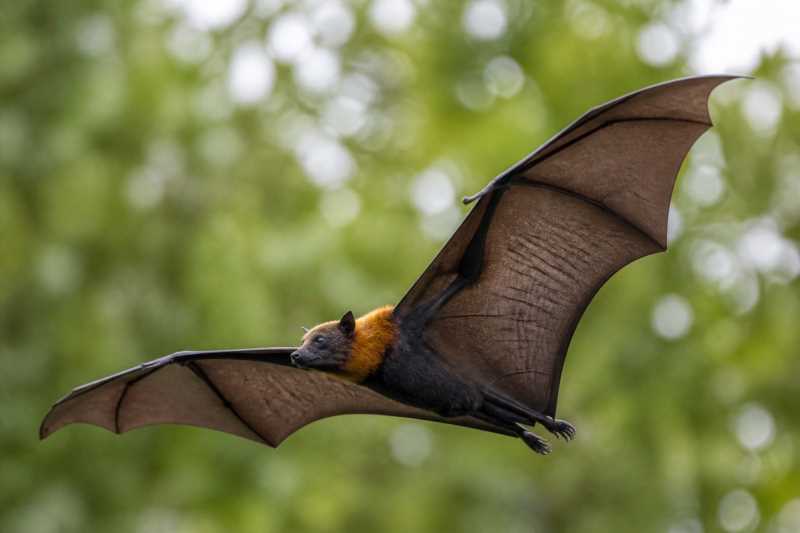
The Pacific Flying Fox is one of the larger bat species, exhibiting a wingspan that can reach up to 1 meter (3.3 feet). Their body length typically ranges between 18 to 24 centimeters (7 to 9 inches), and they can weigh between 300 to 600 grams (10 to 21 ounces). These bats are easily distinguishable by their fox-like face, large eyes, and lack of an echolocation system, relying instead on their keen vision and sense of smell to navigate and find food.
The fur of the Pacific Flying Fox is predominantly dark brown, with lighter shades on the head and shoulders, and a distinctive golden mantle that covers the back of the neck. Their wings are long and leathery, adapted for their nocturnal lifestyle, enabling them to travel long distances in search of food.
Range and Habitat
Pteropus tonganus is widely distributed across the Pacific Islands, including Samoa, Tonga, Fiji, Vanuatu, the Solomon Islands, and parts of Papua New Guinea. They inhabit a variety of forested environments, from coastal mangroves and swamps to inland rainforests and gardens in urban areas.
These bats prefer roosting in trees, often forming large colonies that can number in the hundreds or even thousands. Roost sites are typically selected based on proximity to food sources and protection from predators. The availability of fruit-bearing trees is crucial, as their diet primarily consists of fruit nectar and pollen.
Behavior and Diet
The Pacific Flying Fox is primarily nocturnal, embarking on foraging flights at dusk. They are known for their long foraging distances, often traveling several kilometers from their roosting sites to feed. Their diet is predominantly frugivorous, consisting of a wide variety of fruits, including figs, bananas, and mangos. They also consume flowers, nectar, and occasionally leaves.
Social in nature, these bats often engage in grooming and vocal communication within their colonies. Their vocalizations, while not as sophisticated as echolocation, serve as a means of maintaining social bonds and alerting others to potential dangers.
Identification Tips
Field recognition of the Pacific Flying Fox can be facilitated by observing the following characteristics:
- Size and Wingspan: Look for a large bat with a wingspan of up to 1 meter.
- Facial Features: Note the fox-like face and large, expressive eyes.
- Fur Coloration: Observe the dark brown fur with a distinctive golden mantle around the neck.
- Roosting Habits: Identify large colonies roosting in trees, usually near food sources.
- Flight Pattern: Watch for their steady, gliding flight, often in the early evening.
Conservation Status
The Pacific Flying Fox is currently listed as "Near Threatened" on the IUCN Red List. The primary threats to their population include habitat destruction due to deforestation, hunting for bushmeat, and climate change impacts such as cyclones and droughts.
Conservation efforts are underway in several regions, focusing on habitat preservation and legal protection. In some areas, hunting restrictions have been implemented, and awareness campaigns are conducted to highlight the ecological importance of these bats.
Frequently Asked Questions
What is the role of the Pacific Flying Fox in the ecosystem?
The Pacific Flying Fox plays a crucial role as a pollinator and seed disperser. By feeding on fruits and flowers, they facilitate the regeneration of plant species, maintaining forest health and biodiversity.
How can I help protect the Pacific Flying Fox?
Contributing to conservation efforts can be done by supporting local habitat protection initiatives, advocating for legal protections, and spreading awareness about the ecological importance of flying foxes.
Are Pacific Flying Foxes dangerous to humans?
No, Pacific Flying Foxes are not dangerous to humans. They are gentle creatures that avoid human interaction. However, like all wild animals, they should be observed from a distance to avoid stress and potential disease transmission.
What are the main threats facing the Pacific Flying Fox?
The main threats include habitat loss due to deforestation, hunting for meat, and the impacts of climate change, such as extreme weather events.
Why are Pacific Flying Foxes considered "Near Threatened"?
Their classification as "Near Threatened" reflects declining population trends due to habitat destruction and hunting pressures, highlighting the need for continued conservation efforts.
Related posts