Western Olivaceous Warbler: An In-Depth Exploration
Introduction
The Western Olivaceous Warbler, scientifically known as Iduna opaca, is a captivating species of small passerine birds belonging to the family Acrocephalidae. Known for its subtle beauty and melodious song, this bird is a significant subject of study for ornithologists and bird enthusiasts alike. This article delves into the various facets of the Western Olivaceous Warbler, including its physical characteristics, habitat, behavior, and conservation status.
Physical Characteristics
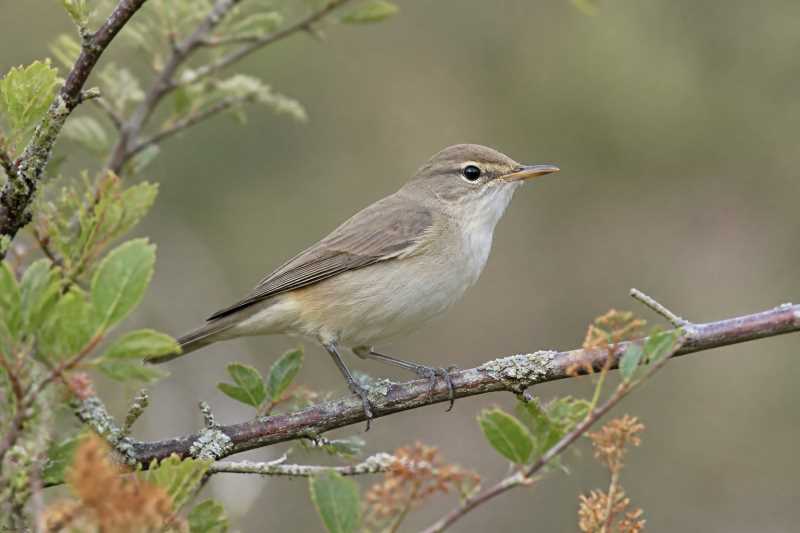
The Western Olivaceous Warbler is a relatively small bird, measuring about 12-13 cm in length. Its plumage is predominantly olive-brown, which provides excellent camouflage against the backdrop of its natural habitat. The bird displays a paler underbelly, and its wings are slightly darker, adding to its distinct yet understated appearance. The beak is slender and pointed, adapted for its insectivorous diet.
One of the most striking features of this warbler is its song, which is a series of rapid, melodious notes that can be heard during the breeding season. The song is not only a tool for attracting mates but also a means of marking territory.
Distribution and Habitat
The Western Olivaceous Warbler is primarily found in the Western Palearctic region, with its range extending from the Iberian Peninsula and Northwest Africa to parts of the Middle East. It prefers habitats that offer dense shrubbery and wooded areas, often near water bodies. During the breeding season, these warblers are commonly found in riparian zones, which provide ample food resources and nesting sites.
As a migratory bird, the Western Olivaceous Warbler travels to sub-Saharan Africa during the winter months. This long-distance migration is a remarkable feat, showcasing the bird’s resilience and adaptability.
Behavior and Diet
The Western Olivaceous Warbler is an insectivore, feeding primarily on a variety of insects and spiders. Its feeding behavior is characterized by quick, agile movements as it flits through foliage, gleaning insects from leaves and branches. The bird’s slender bill is particularly suited for picking small prey from tight spaces.
In terms of social behavior, these warblers are generally solitary outside of the breeding season. However, during the breeding season, they become more territorial and are known to engage in vocal displays to ward off rivals and attract mates.
Breeding and Lifespan
The breeding season for the Western Olivaceous Warbler typically begins in late spring and extends through the summer months. Nest construction is a collaborative effort between the male and female, resulting in a cup-shaped nest built from grasses, spider webs, and other plant materials. These nests are usually well-concealed in dense vegetation.
A typical clutch consists of 3-5 eggs, which are incubated by the female for about two weeks. Once hatched, both parents participate in feeding the chicks, which fledge approximately two weeks after hatching.
The lifespan of the Western Olivaceous Warbler is not extensively documented, but like many small passerines, it is likely to be around 2-5 years in the wild, with various factors such as predation and environmental conditions affecting longevity.
Conservation Status
As of the latest assessments, the Western Olivaceous Warbler is listed as a species of "Least Concern" by the International Union for Conservation of Nature (IUCN). This status reflects its relatively stable population numbers and wide distribution.
However, like many bird species, it faces threats from habitat loss and degradation, particularly in its breeding and wintering grounds. Efforts to monitor population trends and protect critical habitats are essential to ensure the continued survival of this species.
Conclusion
The Western Olivaceous Warbler is a remarkable example of avian adaptation and resilience. Its understated beauty and enchanting song make it a cherished sight for bird watchers and a vital component of the ecosystems it inhabits. Continued research and conservation efforts are crucial to safeguard its future, allowing it to thrive in the face of environmental challenges.
Whether encountered in the wooded riparian zones of Europe or the vast landscapes of Africa, the Western Olivaceous Warbler remains a symbol of the intricate beauty and complexity of the natural world.
References
Related posts