The Enigmatic Leaf-Love: Unveiling the Secrets of Phyllastrephus scandens
In the lush, verdant expanses of Africa’s tropical and subtropical regions, a modest but fascinating bird flits through the foliage, known to enthusiasts and ornithologists alike as the Leaf-love or Phyllastrephus scandens. This avian species, part of the bulbul family, is an emblem of the rich biodiversity of its habitat, offering unique insights into the complex ecosystems it inhabits.
Habitat and Distribution
Phyllastrephus scandens calls the forests of Africa its home, where it thrives in subtropical or tropical moist lowland forests, moist shrublands, and occasionally more open, cultivated areas. Its geographical range spans several African countries including Cameroon, the Democratic Republic of the Congo, Equatorial Guinea, and Gabon, among others. These regions, with their dense foliage and ample food supply, provide an ideal environment for the Leaf-love to flourish.
Physical Characteristics
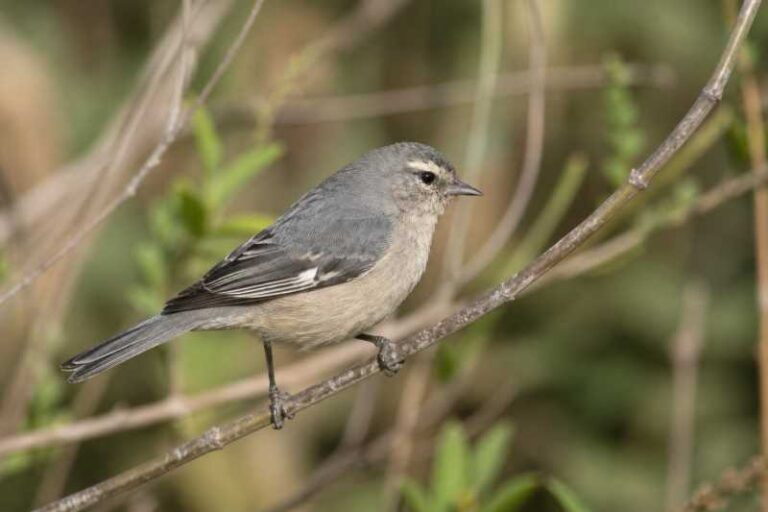
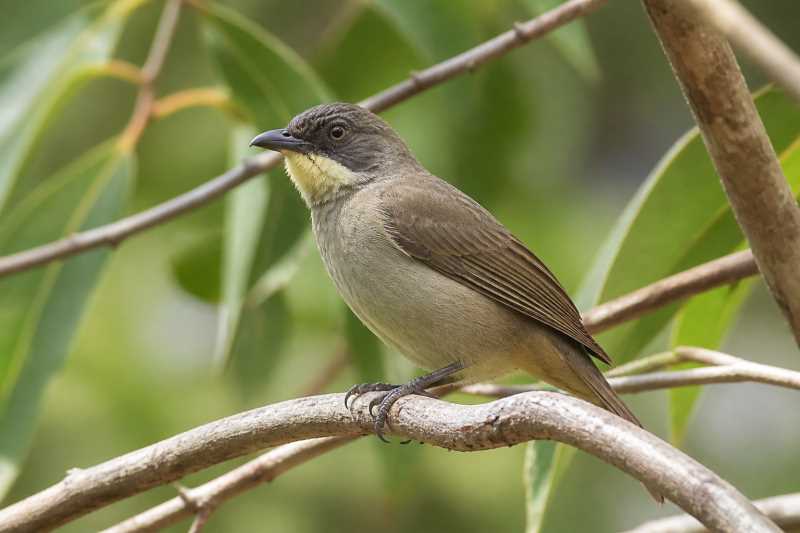
The Leaf-love is a medium-sized bird, modest in appearance yet captivating in its subtle elegance. It exhibits a predominantly olive-green plumage, which offers excellent camouflage amidst the leafy canopies it frequents. The underparts are slightly paler, providing a gentle contrast. Its eyes are adorned with a striking white eyering, a feature that birdwatchers often use to identify it in the wild. The beak is slender and well-adapted for its diet, while its legs are strong and suited for perching and hopping through intricate branches and leaves.
Behavior and Ecology
The Leaf-love is a consummate forager, spending much of its time flitting through the foliage in search of insects, spiders, and other small invertebrates. It also consumes a variety of fruits and berries, playing a crucial role in seed dispersal within its ecosystem. This bird is often seen in pairs or small flocks, exhibiting a social nature that facilitates communal efforts in foraging and vigilance against predators.
One of the most intriguing aspects of the Leaf-love’s behavior is its vocalizations. The species is known for its melodious and complex song, a series of whistles and trills that resonate through the forest. These vocalizations serve various functions, from attracting mates to defending territory. The Leaf-love’s song is a defining characteristic of its presence in the forest, providing a soundtrack to the vibrant life bustling beneath the canopy.
Reproduction and Lifespan
The breeding season for Phyllastrephus scandens typically aligns with the rainy season, when food is abundant. Nesting usually occurs in dense foliage, where the female constructs a cup-shaped nest using twigs, leaves, and other plant materials. The female lays a clutch of two to three eggs, which she incubates diligently. Once hatched, both parents partake in feeding and caring for the fledglings, ensuring their survival in the competitive forest environment.
The lifespan of the Leaf-love, like many small birds, is relatively short, with many individuals living just a few years in the wild. However, their high reproductive rate and adaptability to various environmental conditions help maintain stable population levels.
Conservation Status
Currently, Phyllastrephus scandens is classified as Least Concern by the International Union for Conservation of Nature (IUCN). This status is attributed to its wide distribution and presumably large population. However, like many species dependent on forest habitats, the Leaf-love faces potential threats from deforestation and habitat degradation. Conservation efforts aimed at preserving forest environments are crucial for the continued survival of this species.
Conclusion
The Leaf-love, or Phyllastrephus scandens, is a testament to the intricate web of life that thrives in Africa’s forested regions. Its subtle beauty, ecological role, and enchanting song make it a cherished subject of study and admiration. As we continue to explore and appreciate the natural world, the Leaf-love reminds us of the delicate balance that sustains these ecosystems and the importance of safeguarding them for future generations.
In understanding and protecting the Leaf-love, we take a step toward preserving the rich biodiversity that is vital to the health of our planet. Whether you are an avid birdwatcher, a conservationist, or simply a lover of nature, the Leaf-love offers a glimpse into the wonders of avian life and the intricate dynamics of tropical ecosystems.
Related posts