Introduction
In the lush green canopies of Southeast Asia’s forests, a unique bird, known for its distinctive appearance and elusive nature, quietly thrives. The Eared Pitta (Hydrornis phayrei) is a member of the pitta family, a group of birds renowned for their vibrant plumage and secretive habits. This article delves into the intriguing world of the Eared Pitta, exploring its habitat, behavior, and conservation status.
Taxonomy and Description
The Eared Pitta belongs to the family Pittidae, which comprises around 30 species that are predominantly found in Asia, Australasia, and Africa. Hydrornis phayrei, commonly known as the Eared Pitta, is part of the genus Hydrornis, a group characterized by their robust bodies, short tails, and strong legs.
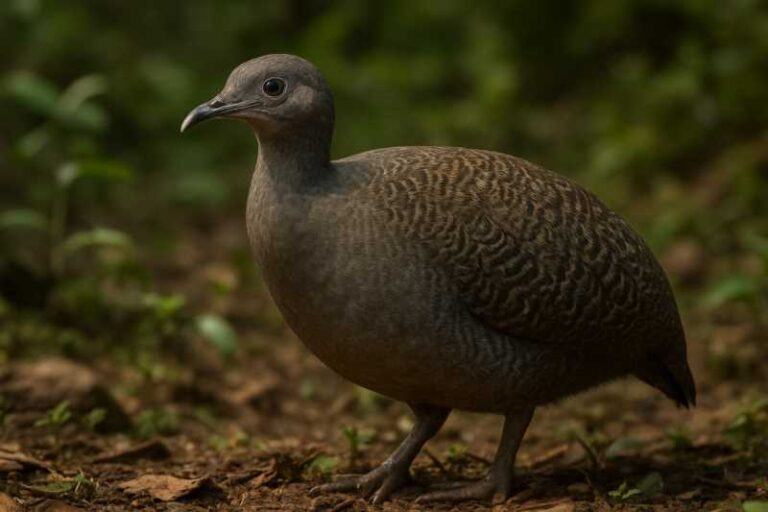
The Eared Pitta is easily recognizable by its striking plumage. The bird features a blend of rich browns and reds, with a distinctive blue streak behind the eyes resembling ears, which is the origin of its common name. Males and females exhibit similar coloration, although the male is generally more vibrant.
Habitat and Distribution
Eared Pittas are predominantly found in the dense, humid forests of Southeast Asia. Their range includes countries like Thailand, Myanmar, Laos, Vietnam, and parts of China. These birds prefer lowland and montane evergreen forests, thriving in environments that provide ample cover and abundant food sources.
Due to their preference for dense undergrowth, Eared Pittas are often difficult to spot. They are known to inhabit areas with thick leaf litter, which they use as camouflage against potential predators.
Behavior and Diet
Eared Pittas are solitary and secretive birds, usually observed alone or in pairs during the breeding season. They are ground-dwellers, spending much of their time foraging in the leaf litter for insects, worms, and other invertebrates. Their diet also includes small reptiles and amphibians, highlighting their opportunistic feeding behavior.
These birds are known for their distinctive hopping gait, which they use to navigate the forest floor while foraging. Eared Pittas are quiet and unobtrusive, often relying on their cryptic plumage to remain undetected by both predators and birdwatchers.
Breeding and Nesting Habits
The breeding season for Eared Pittas typically occurs from April to July, aligning with the onset of the rainy season in their habitat. During this time, males engage in vocal displays to attract females, producing a series of melodious whistles and calls.
Nesting occurs in well-hidden locations, often in dense underbrush or among fallen logs. The nest is a dome-shaped structure constructed from leaves, moss, and other plant materials, providing excellent camouflage. The female lays two to three eggs, which are incubated by both parents for about 17 to 18 days.
Conservation Status
The Eared Pitta is currently listed as Least Concern on the IUCN Red List. However, like many forest-dwelling species, it faces threats from habitat loss and degradation due to logging, agriculture, and urban development. Conservation efforts are crucial to maintaining healthy populations, particularly in areas where deforestation is prevalent.
Protected areas and national parks in Southeast Asia play a vital role in safeguarding the natural habitats of Eared Pittas. Continued research and monitoring are essential to assess the population dynamics and implement effective conservation strategies.
Importance in Ecosystem
Eared Pittas, like other pitta species, play a significant role in their ecosystems. As insectivores, they help control insect populations, contributing to the ecological balance. Their presence indicates healthy forest environments, making them important bioindicators for conservationists.
Conclusion
The Eared Pitta is a testament to the rich biodiversity found in Southeast Asia’s forests. Despite their elusive nature, these birds captivate birdwatchers and ornithologists alike with their vibrant plumage and unique behaviors. Protecting their habitats ensures not only the survival of this species but also the broader health of the ecosystems they inhabit.
As conservation efforts continue, it is vital to raise awareness about the importance of preserving biodiversity and the unique species that call these forests home. The Eared Pitta serves as a reminder of the beauty and complexity of the natural world, deserving of our attention and protection.
Related posts