Red-flanked Duiker (Cephalophorus rufilatus): A Comprehensive Guide
Introduction
The Red-flanked Duiker, scientifically known as Cephalophorus rufilatus, is a small antelope species native to the savannah and forest regions of Central and Western Africa. Known for their distinctive reddish-brown flanks and agile movements, these elusive creatures play a crucial role in their ecosystem as both prey and contributors to seed dispersal. This article delves into the fascinating world of the Red-flanked Duiker, exploring its physical characteristics, habitat, behavior, and the conservation efforts necessary to ensure its survival.
Physical Description
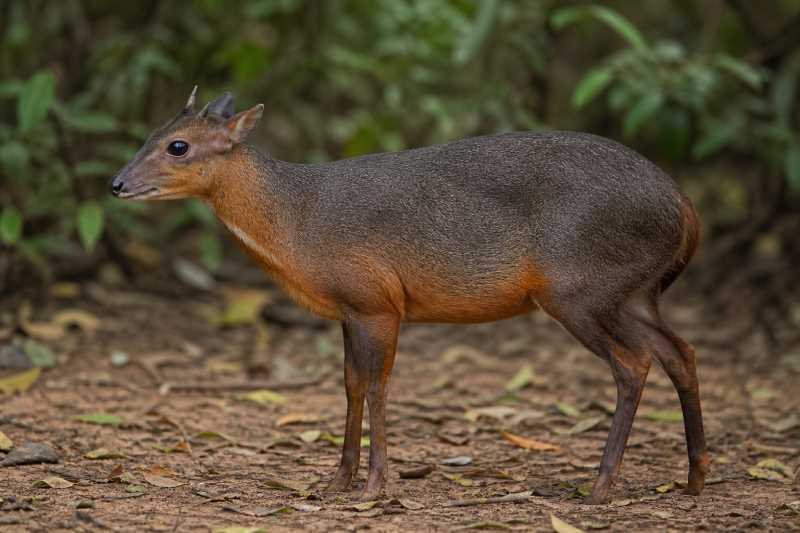
The Red-flanked Duiker is a petite and graceful antelope, with adults typically weighing between 12 to 14 kilograms (26 to 31 pounds) and standing about 40 to 45 centimeters (16 to 18 inches) at the shoulder. Its most striking feature is the vibrant reddish-brown coloration of its flanks, which contrasts with the darker brown or grayish tones of its back and legs. This coloration provides effective camouflage in their natural habitat. Their undersides and inner legs are usually lighter, sometimes almost white.
The duiker has a compact, stocky body with short, spiky horns that can grow up to 10 centimeters (4 inches) long in males, while females are typically hornless or have much smaller horns. Their large, rounded ears and expressive eyes enhance their alertness to predators.
Range and Habitat
The Red-flanked Duiker is predominantly found in the western and central regions of Africa. Its range extends through countries such as Senegal, Gambia, Guinea, Nigeria, and Cameroon, reaching as far east as the Democratic Republic of Congo. They inhabit a variety of environments, from dense forest edges to open savannahs and even agricultural lands, demonstrating their adaptability.
These antelopes prefer habitats with dense undergrowth, which provides cover from predators and serves as a rich source of food. They are often found near water sources, as hydration plays a vital role in their survival.
Behavior and Diet
Red-flanked Duikers are primarily solitary or found in pairs, with occasional observations of small family groups. They are crepuscular creatures, most active during the early morning and late afternoon, which helps them avoid the heat of the day and potential predators.
Their diet mainly consists of fruits, leaves, seeds, and flowers, with a particular fondness for fallen fruits. This diet not only sustains them but also aids in seed dispersal, contributing to the health of their ecosystems. They have also been known to consume small amounts of animal matter, such as insects and small birds, supplementing their primarily herbivorous diet.
Identification Tips
Identifying the Red-flanked Duiker in the wild can be challenging due to their elusive nature and the dense habitats they frequent. However, certain field recognition cues can aid in their identification:
- Coloration: Look for the distinctive reddish-brown flanks that contrast with a darker back and lighter underparts.
- Size: They are smaller than many other antelope species, with a compact body and short legs.
- Horns: Males have short, sharp horns, while females usually have none or very small horns.
- Movement: Duikers are known for their characteristic bounding movement, which involves quick, high leaps that help them navigate undergrowth.
- Habitat: Focus on areas with dense vegetation near water sources, as these are preferred habitats.
Conservation Status
The Red-flanked Duiker is currently classified as Least Concern by the International Union for Conservation of Nature (IUCN), but its populations are facing pressures that could threaten its status. The main threats include habitat loss due to agricultural expansion, logging, and human settlement, as well as hunting for bushmeat.
Conservation efforts are in place to mitigate these threats, including habitat protection measures and anti-poaching initiatives. Protected areas and wildlife reserves across its range provide some level of refuge, but continued efforts are needed to ensure sustainable populations.
Frequently Asked Questions
- What adaptations help the Red-flanked Duiker survive in its habitat?
The Red-flanked Duiker is adapted to its environment through its camouflage coloring, which helps it blend into dense vegetation, and its crepuscular activity pattern, reducing exposure to predators during peak hunting times.
- How does the Red-flanked Duiker contribute to its ecosystem?
Red-flanked Duikers play a significant role in seed dispersal due to their fruit-heavy diet. By consuming and excreting seeds in different locations, they facilitate plant growth and diversity within their habitats.
- What are the main threats facing the Red-flanked Duiker?
The primary threats to the Red-flanked Duiker include habitat destruction from agricultural expansion, illegal hunting for bushmeat, and competition with livestock for resources.
- Can Red-flanked Duikers be seen in wildlife reserves?
Yes, Red-flanked Duikers can often be observed in protected wildlife reserves and national parks within their range, where conservation efforts help maintain their populations.
- Are there any cultural significances associated with the Red-flanked Duiker?
In some African cultures, duikers are considered symbols of agility and grace. However, they are also hunted for traditional ceremonies and as a source of meat.
Related posts