Introduction
The Sumatran rhinoceros (Dicerorhinus sumatrensis) stands as one of the most critically endangered species on the planet. Known for being the smallest of the rhino species, this remarkable creature is a living relic of the Ice Age, displaying unique adaptations that have enabled its survival for millions of years. However, the pressures of habitat loss and poaching have driven their numbers to perilously low levels. This article dives deep into the world of the Sumatran rhino, exploring its physical characteristics, natural habitat, behavior, and diet, alongside the ongoing conservation efforts to save this majestic mammal from extinction.
Physical Description
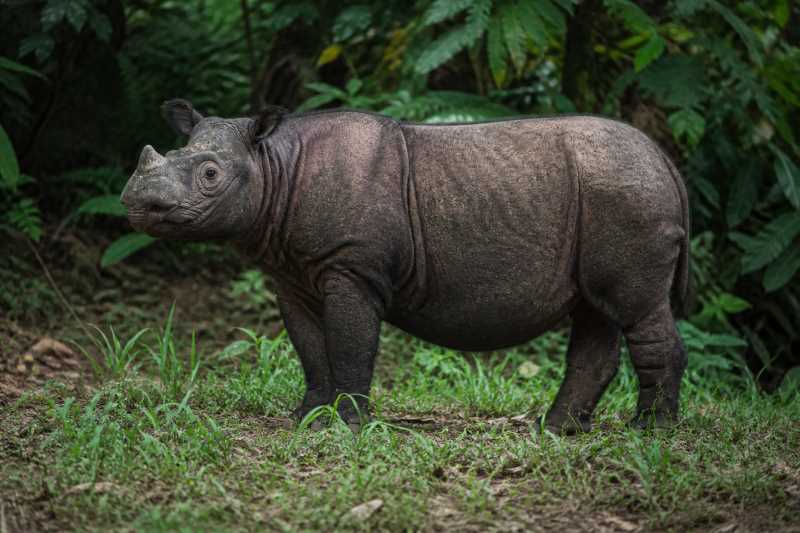
The Sumatran rhinoceros is the smallest and hairiest of all rhinoceros species. Adults typically weigh between 500 to 800 kilograms (1,100 to 1,760 pounds) and stand about 1.2 to 1.5 meters (3.9 to 4.9 feet) tall at the shoulder. Their bodies are compact yet robust, with a length of 2.5 to 3 meters (8.2 to 9.8 feet). Characterized by two horns, the Sumatran rhino’s front horn is larger, usually reaching 15 to 25 centimeters (5.9 to 9.8 inches) in length, while the second horn is noticeably smaller.
Distinctive among rhinoceroses, the Sumatran rhino is covered in a coat of reddish-brown hair. This coat, which thickens in colder climates, is a unique adaptation to its forested habitat, providing camouflage and protection from insects. The skin, though appearing tough, is quite sensitive and prone to sunburn, which is why these rhinos are often found wallowing in mud.
Range and Habitat
Historically, the Sumatran rhinoceros roamed across a large swath of Southeast Asia, including India, Myanmar, Thailand, Malaysia, and the islands of Sumatra and Borneo. Today, their range has dramatically contracted, and they are now primarily found in isolated pockets within Indonesia, with the largest populations residing in Sumatra and Borneo.
Sumatran rhinos inhabit dense tropical forests, preferring areas with abundant water sources and mud wallows essential for their skin care. These rhinos are known to occupy both lowland and highland forests, adapting to a range of altitudes from sea level up to 2,000 meters (6,600 feet). The dense canopy and lush undergrowth provide the necessary cover and food sources that these rhinos rely on for survival.
Behavior and Diet
Sumatran rhinos are solitary animals, with males and females coming together only for mating purposes. They are primarily crepuscular, being most active during the early morning and late afternoon. These rhinos are known for their distinct vocalizations, using a series of whines, whistles, and bleats to communicate over long distances.
Their diet consists mainly of leaves, twigs, bark, and fruit, with a preference for young saplings and low-growing vegetation. An adult Sumatran rhino can consume up to 50 kilograms (110 pounds) of food daily. Their foraging habits play a crucial role in their habitat, as they help maintain the balance of the forest ecosystem by promoting the growth of certain plant species.
Identification Tips (Field Recognition Cues)
Identifying a Sumatran rhinoceros in the wild can be challenging due to their elusive nature and dwindling numbers. However, there are several key characteristics to look out for:
- Body Size and Shape: Look for a smaller, more compact body compared to other rhino species.
- Hairy Coat: Note the reddish-brown hair that covers their body, which is unique among rhinoceroses.
- Two Horns: Distinguish them by their two horns, with the front being larger and more pronounced.
- Vocalizations: Listen for their unique vocal calls, which are distinct and can be heard over considerable distances.
Conservation Status (With Threats and Protections)
The Sumatran rhinoceros is listed as Critically Endangered on the IUCN Red List, with fewer than 80 individuals estimated to remain in the wild. The primary threats to their survival are poaching for their horns and habitat destruction due to agricultural expansion and deforestation.
Conservation efforts are focused on protecting and expanding their natural habitats, along with intensive anti-poaching measures. Captive breeding programs, such as the Sumatran Rhino Sanctuary in Indonesia, aim to increase their numbers and genetic diversity. International collaboration and increased awareness are vital components of ongoing efforts to ensure the survival of this species.
Frequently Asked Questions
1. What is the current population of the Sumatran rhinoceros?
The current population of the Sumatran rhinoceros is estimated to be fewer than 80 individuals. Conservationists are working tirelessly to protect and increase these numbers through various initiatives, including habitat protection and captive breeding programs.
2. How do Sumatran rhinos communicate?
Sumatran rhinos communicate using a range of vocalizations, including whines, whistles, and bleats. These sounds are used to convey various messages, such as signaling distress, establishing territory, and facilitating mating.
3. What efforts are being made to conserve the Sumatran rhinoceros?
Conservation efforts for the Sumatran rhinoceros include habitat protection, anti-poaching measures, and captive breeding programs. Organizations are working to secure and expand forested areas where these rhinos live, as well as to increase their population through breeding in controlled environments.
4. Why are Sumatran rhinos endangered?
Sumatran rhinos are endangered primarily due to poaching and habitat destruction. The demand for rhino horns in illegal wildlife trade, coupled with deforestation for agriculture and human settlement, has severely impacted their population.
5. Where can Sumatran rhinos be found in the wild?
Today, Sumatran rhinos are found in isolated pockets within Indonesia, primarily on the islands of Sumatra and Borneo. Their range has significantly diminished due to human activities, limiting their habitats to protected forest areas.
Related posts