Introduction
The Ulapes Serotine, scientifically known as Neoeptesicus ulapesensis, is a remarkable species within the vast mammalian world. This elusive bat is a member of the Vespertilionidae family, commonly referred to as vesper bats or evening bats. Despite its obscurity, the Ulapes Serotine plays a crucial role in the ecosystems it inhabits, contributing to insect population control and seed dispersal. This article aims to delve into the intricacies of the Ulapes Serotine, shedding light on its physical characteristics, habitat, behavior, and conservation status.
Physical Description
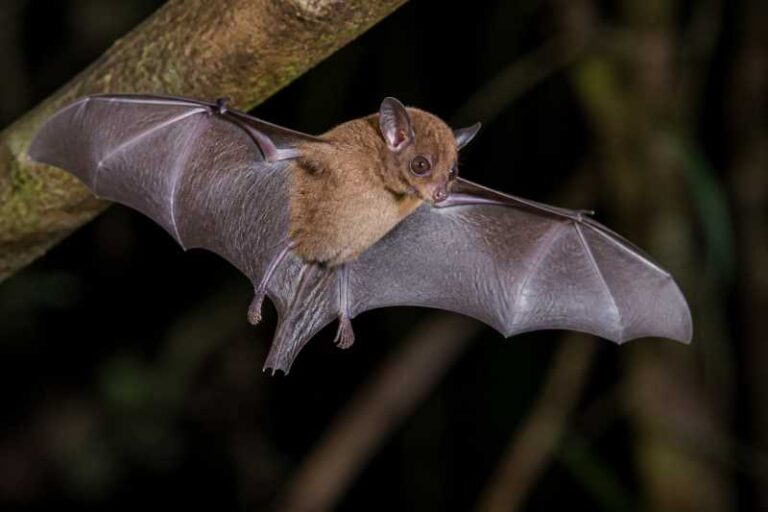
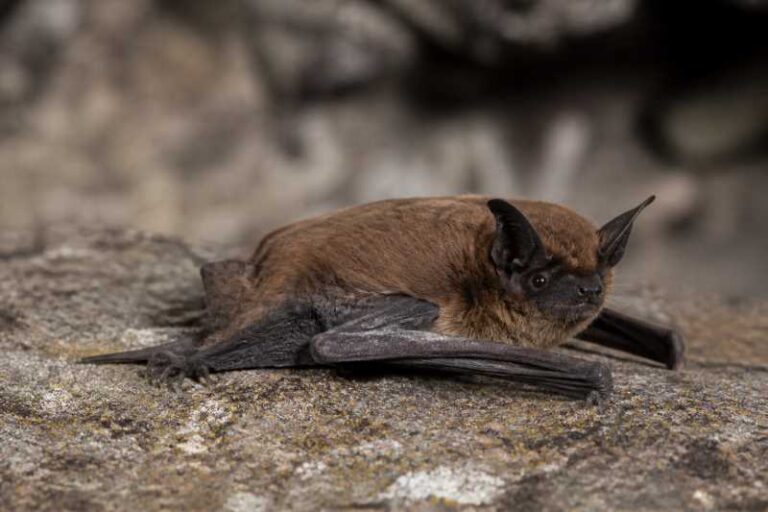
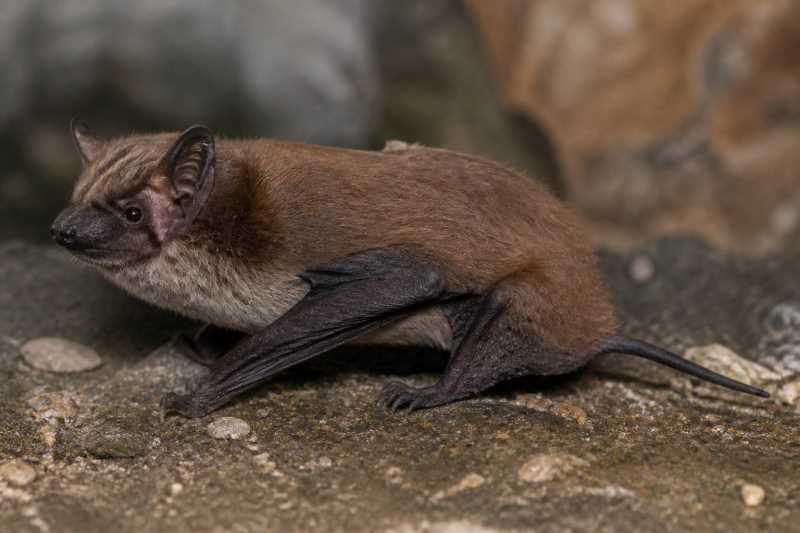
The Ulapes Serotine is a small to medium-sized bat, displaying the typical morphology of vesper bats. It possesses a wingspan ranging from 25 to 30 centimeters, which aids in its agile flight patterns crucial for nocturnal hunting. The fur of Neoeptesicus ulapesensis is a distinctive feature, with a rich brown hue on the dorsum and a slightly paler shade on the ventral side. This coloration serves as an effective camouflage against predators and during roosting.
The facial structure of the Ulapes Serotine is characterized by its short, broad muzzle and large, rounded ears, which are essential for echolocation—a vital adaptation for navigation and hunting in the dark. Its eyes are relatively small, as is typical for bat species reliant on echolocation. The Ulapes Serotine also boasts a robust tail, partially enclosed in the interfemoral membrane, which aids in maneuverability during flight.
Range and Habitat
The geographical range of the Ulapes Serotine is relatively restricted, primarily confined to the South American continent. It is predominantly found in Argentina, with sightings reported in regions such as La Rioja and San Luis. The Ulapes Serotine thrives in arid and semi-arid environments, favoring habitats such as open woodlands, shrublands, and savannas. These areas provide ample foraging opportunities and suitable roosting sites, such as trees, caves, and man-made structures.
Behavior and Diet
The Ulapes Serotine is a nocturnal predator, spending its nights foraging for insects. As an insectivorous species, its diet consists primarily of small insects, including moths, beetles, and flies. The bat employs echolocation to detect and capture prey, emitting high-frequency calls that bounce off objects, providing precise information about their surroundings.
Socially, Ulapes Serotines are known to form small colonies, often roosting together to maintain warmth and protection. These bats exhibit a crepuscular foraging pattern, becoming most active during twilight hours. Their flight is characterized by a combination of rapid wing beats and gliding, enabling efficient energy use during hunting expeditions.
Identification Tips (Field Recognition Cues)
Identifying the Ulapes Serotine in the field requires attention to several key characteristics:
- Size and Shape: Look for a medium-sized bat with a wingspan of 25-30 cm.
- Fur Coloration: Note the distinct brown dorsal fur and lighter ventral fur.
- Ears: The large, rounded ears are a standout feature, aiding in echolocation.
- Flight Pattern: Observe their unique flight style, which combines rapid wing beats with gliding.
- Habitat: Search in arid regions with open woodlands or shrublands.
Conservation Status (With Threats and Protections)
The conservation status of the Ulapes Serotine is currently listed as "Data Deficient" by the IUCN Red List. The primary threats facing this species include habitat destruction due to agricultural expansion and deforestation, which reduces available roosting and foraging sites. Additionally, pesticide use can negatively impact their food sources, leading to population declines.
Efforts to protect the Ulapes Serotine involve habitat conservation and management. Establishing protected areas and promoting sustainable agricultural practices are crucial steps in mitigating habitat loss. Furthermore, raising public awareness about the ecological importance of bats can foster community-based conservation initiatives.
Frequently Asked Questions
What is the primary diet of the Ulapes Serotine?
The Ulapes Serotine is insectivorous, primarily feeding on small insects such as moths, beetles, and flies.
Where can the Ulapes Serotine be found?
This bat species is predominantly found in Argentina, particularly in regions like La Rioja and San Luis, favoring arid and semi-arid habitats.
How does the Ulapes Serotine navigate and hunt at night?
The bat uses echolocation, emitting high-frequency calls to detect and capture prey in the dark.
What are the main threats to the Ulapes Serotine?
Habitat destruction due to agriculture, deforestation, and pesticide use are major threats to this species.
How can we help conserve the Ulapes Serotine?
Conservation efforts include habitat protection, promoting sustainable agriculture, and raising awareness about the ecological role of bats.
Related posts