Cozumel Raccoon: An In-depth Exploration of Procyon pygmaeus
Introduction
The Cozumel raccoon, scientifically known as Procyon pygmaeus, is a fascinating mammal species endemic to the island of Cozumel, just off the eastern coast of Mexico’s Yucatán Peninsula. Known for its diminutive size and distinctive facial markings, this small carnivore is a subject of interest for conservationists and wildlife enthusiasts alike. Despite its charming appearance, the Cozumel raccoon faces numerous threats that have placed it on the endangered species list. This comprehensive article delves into the various aspects of the Cozumel raccoon’s life, ecology, and ongoing conservation efforts.
Physical Description
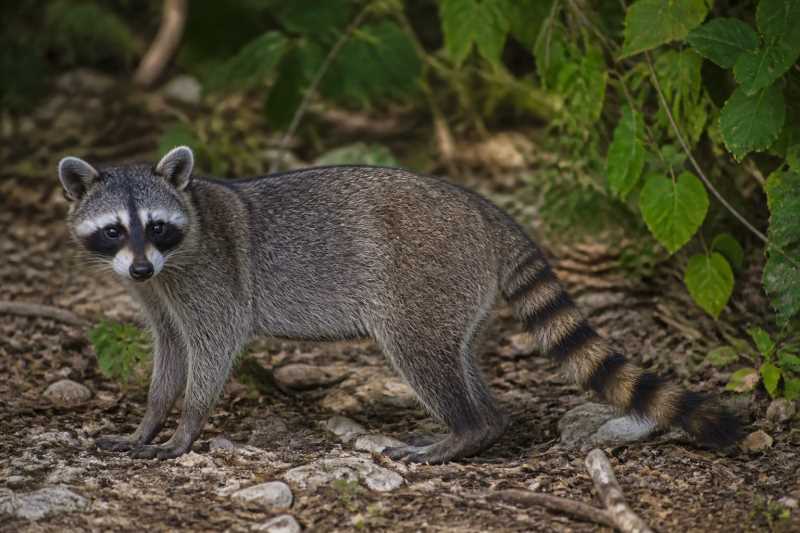
The Cozumel raccoon is a unique member of the Procyonidae family, characterized by its relatively small stature compared to other raccoon species. Typically, an adult Cozumel raccoon measures between 50 to 70 centimeters in length, including a 20 to 30-centimeter tail. Weighing between 3 to 4 kilograms, it is notably smaller than its mainland relatives, earning it the nickname "pygmy raccoon."
Its fur is primarily gray, interspersed with a mix of lighter and darker shades, providing excellent camouflage in its natural habitat. The most distinct feature of the Cozumel raccoon is its facial mask, a black patch that extends across its eyes, contrasted by white fur surrounding the eyes and snout. The ears are small and rounded, often outlined with a subtle white fringe, adding to its endearing appearance. The tail, ringed with alternating bands of light and dark fur, is bushy and serves as a balancing aid when climbing.
Range and Habitat
Endemic to the island of Cozumel, the Cozumel raccoon inhabits a relatively small geographic area. This island, approximately 478 square kilometers in size, offers a variety of habitats, but the raccoon predominantly resides in the northern parts. The species favors dense mangrove forests and tropical deciduous forests, which provide abundant food sources and protection from predators.
The island’s unique ecosystem supports a diversity of flora and fauna, allowing the Cozumel raccoon to thrive in a specialized niche. The raccoon’s adaptability to different habitats on the island, including coastal and inland areas, highlights its ecological versatility and resilience.
Behavior and Diet
Cozumel raccoons are primarily nocturnal, spending most of their active hours foraging at night. Their diet is omnivorous, consisting of a wide range of foods, including fruits, insects, small vertebrates, and occasionally, marine creatures like crabs and fish. This varied diet is a testament to their opportunistic feeding habits and ability to exploit different food resources available in their environment.
Socially, Cozumel raccoons are generally solitary animals, although they may form temporary foraging groups if food is plentiful. They communicate using a variety of vocalizations, body language, and scent markings. During the breeding season, which occurs once a year, males may engage in aggressive encounters to compete for the attention of females.
Identification Tips (Field Recognition Cues)
Identifying a Cozumel raccoon in the wild requires keen observation and attention to detail. Here are some tips to help you recognize this unique species:
- Size and Build: Look for a smaller raccoon with a compact body. The Cozumel raccoon is noticeably smaller than its mainland relatives.
- Facial Markings: The distinctive black facial mask is a key feature, complemented by a white snout and eye patches.
- Tail: Observe the tail for its bushy appearance and characteristic rings that alternate between light and dark bands.
- Habitat: Focus your search in dense mangrove and tropical forests, especially in northern Cozumel.
- Behavior: Look for nocturnal activity patterns and listen for vocalizations during the night.
Conservation Status (With Threats and Protections)
The Cozumel raccoon is currently classified as Endangered by the International Union for Conservation of Nature (IUCN). Its limited range on the island of Cozumel makes it particularly vulnerable to a variety of threats. Habitat loss due to urban development, tourism, and agriculture poses a significant risk to its survival. Additionally, the introduction of invasive species, such as domestic dogs and cats, has increased predation pressure on this small raccoon.
Conservation efforts are underway to protect the Cozumel raccoon, including habitat preservation initiatives and public awareness campaigns. The Mexican government, along with international conservation organizations, is working to establish protected areas and regulate development projects to minimize their impact on the raccoon’s habitat. Research and monitoring programs are crucial in understanding the population dynamics and threats faced by this species, allowing for informed conservation strategies.
Frequently Asked Questions
What makes the Cozumel raccoon unique?
The Cozumel raccoon is unique due to its endemic status, smaller size compared to other raccoons, and its adaptation to the island’s specific ecosystem. Its distinctive facial markings also set it apart visually.
How can I help in conserving the Cozumel raccoon?
Supporting conservation organizations, spreading awareness about the species’ plight, and advocating for sustainable tourism practices on Cozumel Island are vital ways to contribute to the raccoon’s conservation.
What are the main threats to the Cozumel raccoon?
The primary threats include habitat destruction, invasive species, and human-induced environmental changes. Conservation efforts focus on mitigating these threats through habitat protection and management.
Are there any ongoing research projects on the Cozumel raccoon?
Yes, several research initiatives are ongoing, aimed at studying the raccoon’s ecology, behavior, and population trends. These projects are crucial for developing effective conservation strategies.
Can I see Cozumel raccoons in their natural habitat?
While possible, observing Cozumel raccoons can be challenging due to their nocturnal nature and preference for dense habitats. Guided eco-tours on Cozumel Island offer the best chance to spot these elusive creatures.
Related posts