Introduction
The sea mink, scientifically known as Neogale macrodon, was a species of mustelid that once inhabited the coastal areas of the northeastern United States and parts of Canada. Unfortunately, the sea mink is now considered extinct, with its last confirmed sightings dating back to the late 19th century. This article delves into the fascinating details of the sea mink, exploring its physical characteristics, natural habitat, behavior, and the factors leading to its extinction. By understanding the history and ecology of the sea mink, we can better appreciate the biodiversity that once thrived in North America’s coastal ecosystems and the importance of conservation efforts to protect remaining species.
Physical Description
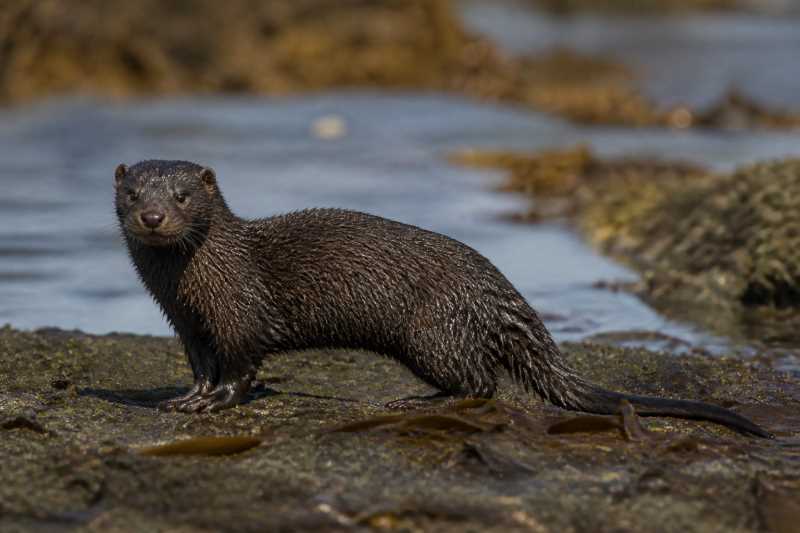
The sea mink was one of the largest members of the mustelid family, which includes weasels, otters, and ferrets. It was notably larger than its closest relative, the American mink (Neogale vison). Sea minks were characterized by their robust build, with adult males typically reaching lengths of up to 90 centimeters, including the tail. The tail itself was relatively long, contributing to nearly one-third of the total body length.
Sea minks had a dense, water-repellent coat that varied in color from reddish-brown to dark brown, with lighter underparts. Their fur was highly valued by trappers, which unfortunately contributed to their eventual extinction. The species possessed a streamlined body and webbed feet, adaptations that facilitated their semi-aquatic lifestyle, allowing them to swim proficiently in coastal waters.
Range and Habitat
Historically, the sea mink inhabited the rocky coastal regions of the northeastern United States and the Canadian Maritime provinces, including Maine, New Brunswick, and Nova Scotia. These areas provided the ideal environment for sea minks, with abundant food sources and shelter among the rocky crevices and coastal vegetation.
The marine environment of the North Atlantic coast, with its rich biodiversity and intertidal zones, supported the sea mink’s diet and lifestyle. The species was well-adapted to both land and sea, often foraging along the shoreline and retreating to the water to escape predators or search for additional food sources.
Behavior and Diet
Sea minks were primarily carnivorous, with diets consisting of fish, birds, crustaceans, and small mammals. Their opportunistic feeding behavior allowed them to exploit a variety of food sources depending on availability, which was crucial for survival in the fluctuating coastal environments.
Behaviorally, sea minks were solitary animals, with individuals occupying distinct territories. They were most active during dawn and dusk, exhibiting crepuscular activity patterns common among many mustelid species. The rocky coastal terrain provided ample hiding spots and nesting areas, where sea minks could rest and raise their young.
Identification Tips
Identifying the sea mink in the wild would have required keen observation skills, given the species’ elusive nature and resemblance to the American mink. Key identification tips included:
- Size: Sea minks were significantly larger than the American mink, with males reaching lengths of up to 90 centimeters.
- Fur Color: Their fur was darker and denser, with a reddish-brown to dark brown coloration.
- Habitat: Sea minks were strictly coastal, whereas American minks could be found inland.
- Behavior: Sea minks were more likely to be seen swimming in coastal waters, utilizing their webbed feet for propulsion.
Conservation Status
The sea mink is classified as extinct, primarily due to overhunting for its valuable fur. During the 19th century, the demand for fur led to extensive trapping along the northeastern coasts of North America, drastically reducing sea mink populations. Additionally, habitat destruction and competition with other predators may have contributed to their decline.
Efforts to protect the species were non-existent at the time of its extinction, as the concept of wildlife conservation was not widely recognized. The loss of the sea mink serves as a poignant reminder of the impact of human activities on wildlife and the need for conservation measures to prevent similar extinctions.
Frequently Asked Questions
What did the sea mink eat?
The sea mink was primarily carnivorous, feeding on a diet of fish, birds, crustaceans, and small mammals. Its opportunistic feeding habits allowed it to thrive in the coastal environments of its range.
Where was the sea mink found?
Sea minks were found along the rocky coastal regions of the northeastern United States and Canadian Maritime provinces, including Maine, New Brunswick, and Nova Scotia.
Why did the sea mink become extinct?
The sea mink became extinct primarily due to overhunting for its fur during the 19th century. Habitat destruction and competition with other predators may have also played a role in its decline.
How can we prevent other species from going extinct like the sea mink?
Preventing extinction of other species involves implementing effective conservation strategies, including habitat protection, regulating hunting and trade, and raising public awareness about the importance of biodiversity.
What is the difference between a sea mink and an American mink?
The sea mink was larger, with a more robust build and darker fur compared to the American mink. Sea minks were strictly coastal, whereas American minks inhabit a broader range of environments.
Related posts