Northern Fur Seal (Callorhinus ursinus): An In-Depth Look
Introduction
The Northern Fur Seal, scientifically known as Callorhinus ursinus, is a fascinating marine mammal renowned for its distinctive fur and intriguing life cycle. These pinnipeds, belonging to the family Otariidae, are primarily found in the North Pacific Ocean and are known for their extraordinary migratory patterns and unique social structures. Northern Fur Seals play a significant role in marine ecosystems, and understanding their behavior, habitat, and conservation status is crucial for their protection.
Physical Description
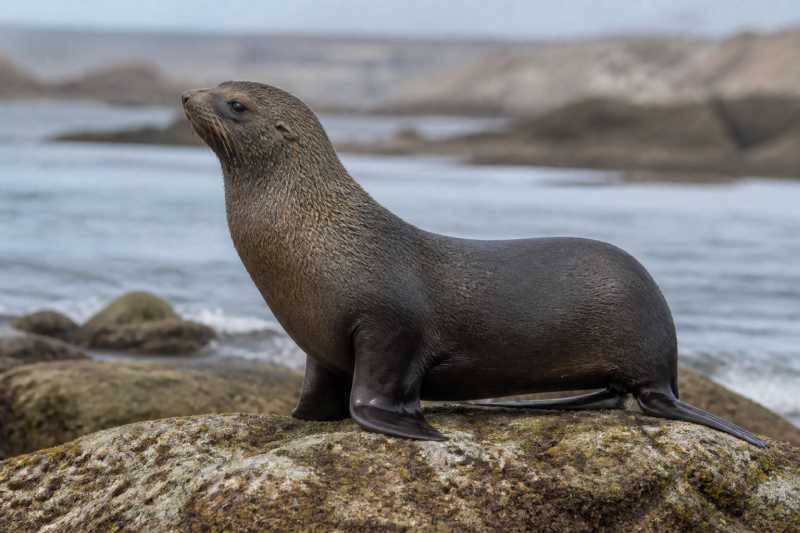
Northern Fur Seals are medium-sized seals characterized by their dense underfur and prominent external ear flaps, distinguishing them from true seals. Adult males, known as bulls, are significantly larger than females, or cows, showcasing a striking example of sexual dimorphism. Bulls can weigh between 300 to 600 pounds and measure up to 7 feet in length, while cows typically weigh around 95 to 110 pounds and reach lengths of approximately 4.5 to 5 feet.
Their pelage is a combination of a thick underfur and long guard hairs, which provide insulation and waterproofing. The fur ranges in color from dark brown to black, with lighter shades on the chest and face. During the breeding season, males develop a mane of longer fur around their neck and shoulders, enhancing their imposing appearance.
Range and Habitat
Northern Fur Seals inhabit the North Pacific Ocean, with a range extending from the coast of Japan to California. The largest breeding colonies are located on the Pribilof Islands in the Bering Sea, but they also breed on other islands such as the Commander Islands, Kuril Islands, and Robben Island.
These seals prefer offshore, deep-water environments, spending much of their lives at sea. They are highly migratory, undertaking long-distance journeys between breeding and feeding grounds. During the non-breeding season, they disperse widely across the North Pacific, reaching as far south as Baja California and as far north as the Bering Sea.
Behavior and Diet
Northern Fur Seals are highly social animals, particularly during the breeding season when they form large colonies. Breeding occurs from June to August, with males establishing territories and gathering harems of females. Males are polygynous, often controlling territories with multiple females.
Their diet primarily consists of fish and squid, with a preference for species like pollock, herring, and anchovy. They are opportunistic feeders, diving to depths of up to 200 meters to capture prey.
Identification Tips
Recognizing Northern Fur Seals in the field involves noting several key features:
- Size and Shape: Look for a medium-sized seal with a robust, muscular build. Males are noticeably larger and bulkier than females.
- Fur and Coloration: Identify the dense, dark brown to black fur with lighter patches on the face and chest.
- Ears: Notice the prominent external ear flaps, which are absent in true seals.
- Behavior: Observe their social behavior, especially during the breeding season when males exhibit territoriality.
Conservation Status
The conservation status of Northern Fur Seals is classified as "Vulnerable" by the International Union for Conservation of Nature (IUCN). The primary threats to their population include climate change, entanglement in fishing gear, and habitat degradation. Climate change impacts their prey availability and alters their habitat, while bycatch in commercial fisheries remains a significant threat.
Efforts to protect Northern Fur Seals include international agreements such as the Marine Mammal Protection Act in the United States and various conservation programs aimed at reducing bycatch and protecting critical habitats. Continued research and monitoring are essential to understanding the impacts of environmental changes on their populations.
Frequently Asked Questions
- What do Northern Fur Seals eat?
Northern Fur Seals primarily feed on fish and squid. Their diet includes species like pollock, herring, and anchovy. They are skilled divers, capable of reaching depths of up to 200 meters to hunt their prey.
- Where do Northern Fur Seals live?
Northern Fur Seals inhabit the North Pacific Ocean, with breeding colonies primarily located on the Pribilof Islands. They also breed on islands such as the Commander Islands and the Kuril Islands. During non-breeding seasons, they disperse widely across the North Pacific.
- How do Northern Fur Seals differ from true seals?
Northern Fur Seals differ from true seals by having external ear flaps and a more robust, muscular build. They also have dense fur with long guard hairs, which is not present in true seals.
- Are Northern Fur Seals endangered?
Northern Fur Seals are classified as "Vulnerable" by the IUCN. They face threats from climate change, entanglement in fishing gear, and habitat degradation. Conservation efforts are in place to help protect their populations.
- How can I identify a Northern Fur Seal?
To identify a Northern Fur Seal, look for a medium-sized seal with dark fur, prominent external ears, and a robust build. During the breeding season, males develop a mane of longer fur around their neck and shoulders.
Related posts