Introduction
The Timorese Horseshoe Bat (Rhinolophus montanus) is a remarkable species within the Rhinolophidae family, known for its distinctive noseleaf structure resembling a horseshoe. This bat species is endemic to the island of Timor in Southeast Asia, where it plays a crucial role in the ecosystem as a pollinator and insectivore. Despite its ecological importance, the Timorese Horseshoe Bat remains relatively understudied, with much of its biology and ecology still shrouded in mystery. This article aims to provide a comprehensive overview of the Timorese Horseshoe Bat, covering its physical characteristics, habitat preferences, behavior, and conservation status.
Physical Description
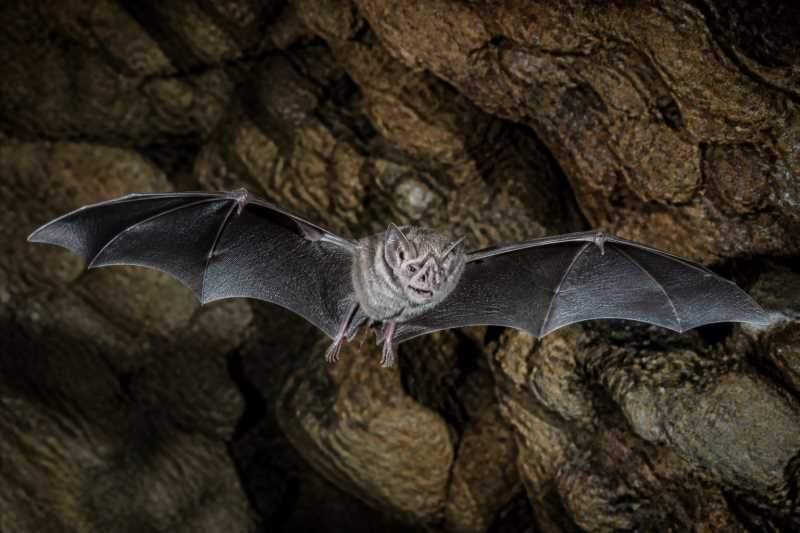
The Timorese Horseshoe Bat is a small to medium-sized bat, with a forearm length ranging from 45 to 55 millimeters and a weight of approximately 8 to 12 grams. Its most distinctive feature is the horseshoe-shaped noseleaf, which is used for echolocation. This noseleaf is typically a pale grayish-brown, matching the bat’s overall fur coloration. The fur is dense and soft, with the dorsal side slightly darker than the ventral side. The wings are long and narrow, adapted for agile flight through dense vegetation. The ears are large and rounded, aiding in sound detection.
The bat’s eyes are small, reflecting its reliance on echolocation for navigation and foraging rather than vision. The hind limbs are equipped with sharp claws that assist in clinging to surfaces while roosting. Sexual dimorphism is not highly pronounced in this species, although females may be slightly larger than males.
Range and Habitat
The Timorese Horseshoe Bat is endemic to Timor, an island situated in the Lesser Sunda Islands of Southeast Asia. Its range is limited to this geographic area, making it a species of particular interest for conservationists concerned with island biodiversity. The bat inhabits a variety of habitats, including tropical moist lowland forests, montane forests, and limestone caves. These environments provide essential roosting sites and abundant insect prey.
During the day, the Timorese Horseshoe Bat typically roosts in caves, crevices, and occasionally in man-made structures. These roosts offer protection from predators and stable microclimatic conditions. At night, the bat emerges to forage, often traveling significant distances from its roosting site in search of food.
Behavior and Diet
The Timorese Horseshoe Bat is primarily nocturnal, emerging from its roost at dusk. It is an insectivorous species, with a diet predominantly composed of moths, beetles, and other flying insects. The bat uses echolocation to detect and capture prey mid-flight, emitting high-frequency calls that bounce off objects and return to the bat’s ears, creating a sonic map of its surroundings.
Socially, the Timorese Horseshoe Bat is known to form small colonies, often roosting in groups that can range from a few individuals to several dozen. These colonies are typically composed of related females and their offspring, with males being more solitary or forming bachelor groups. Communication within colonies is facilitated by a variety of vocalizations and possibly chemical signals.
Reproduction in the Timorese Horseshoe Bat is seasonal, with a mating period that aligns with peak insect abundance to ensure ample food supply for the lactating females and growing young. Females typically give birth to one offspring per year after a gestation period of about six to eight weeks.
Identification Tips
Field recognition of the Timorese Horseshoe Bat can be challenging due to its small size and nocturnal habits. However, several key features can aid in identification:
- Noseleaf Structure: The horseshoe-shaped noseleaf is a definitive characteristic of this species and aids in echolocation.
- Fur Coloration: A uniform grayish-brown fur, with the dorsal side darker than the ventral side.
- Size: Small to medium-sized bat with a forearm length of 45-55 mm.
- Echolocation Calls: High-frequency calls that are species-specific and can be detected using bat detectors.
- Roosting Habits: Often found in caves and crevices during the day.
Conservation Status
The conservation status of the Timorese Horseshoe Bat is currently classified as "Data Deficient" by the International Union for Conservation of Nature (IUCN). This classification reflects the lack of comprehensive data on the species’ population size, distribution, and trends. However, several threats have been identified that could impact its survival:
- Habitat Loss: Deforestation and land conversion for agriculture and development pose significant threats to the bat’s natural habitat.
- Disturbance of Roosting Sites: Human activities, including tourism and mining, can disturb roosting sites, leading to colony displacement.
- Climate Change: Alterations in climate patterns could impact insect prey availability and roost site conditions.
Conservation efforts for the Timorese Horseshoe Bat should focus on habitat protection and restoration, along with research initiatives to gather more data on its ecology and population dynamics. Creating protected areas and promoting sustainable land use practices on Timor Island are crucial steps toward ensuring the species’ long-term survival.
Frequently Asked Questions
- What is the diet of the Timorese Horseshoe Bat?
The Timorese Horseshoe Bat primarily feeds on flying insects, including moths and beetles, utilizing echolocation to hunt and capture prey mid-flight.
- Where can the Timorese Horseshoe Bat be found?
This bat is endemic to the island of Timor in Southeast Asia, residing in tropical moist lowland forests, montane forests, and limestone caves.
- How does the Timorese Horseshoe Bat use echolocation?
The bat emits high-frequency calls that bounce off objects and return to its ears, allowing it to create a sonic map of its environment and locate prey.
- What are the main threats to the Timorese Horseshoe Bat?
The primary threats include habitat loss due to deforestation, disturbance of roosting sites, and climate change affecting prey availability.
- How can the Timorese Horseshoe Bat be identified in the field?
Key features for identification include the horseshoe-shaped noseleaf, grayish-brown fur, size, and high-frequency echolocation calls.
Related posts