Introduction
Hill’s Horseshoe Bat (Rhinolophus hilli) is a fascinating and elusive species that has intrigued scientists and nature enthusiasts alike. Named after the renowned zoologist John Edwards Hill, this species belongs to the family Rhinolophidae, which is known for its unique horseshoe-shaped noseleaf. This distinctive feature aids in echolocation—an ability vital for their survival. This bat species, like others in its family, plays a crucial role in maintaining ecological balance by acting as both predator and prey in their ecosystem.
The discovery of Hill’s Horseshoe Bat was a significant milestone in chiropterology, the study of bats, due to its unusual characteristics and limited known habitat range. Despite being relatively understudied, this species continues to capture the interest of researchers aiming to understand more about its behavior, biology, and interactions within its environment.
Physical Description
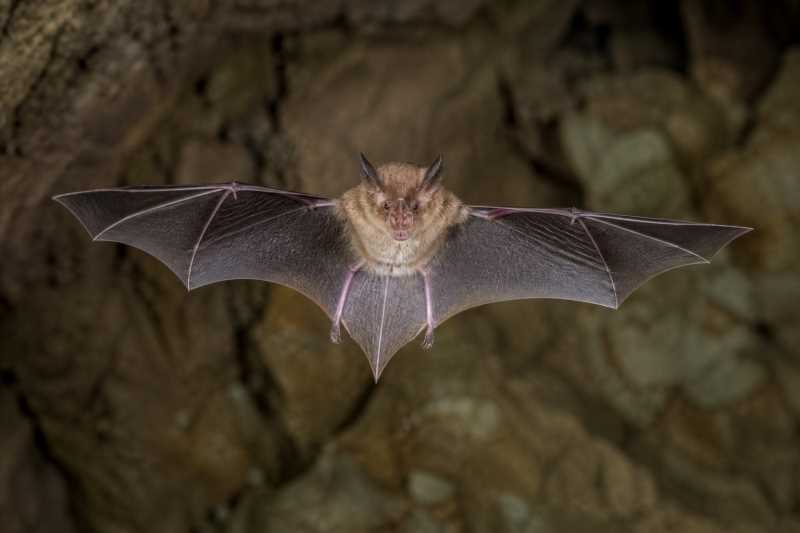
Hill’s Horseshoe Bat is a small to medium-sized bat, typically measuring between 50 to 70 mm in body length, with a wingspan that can extend up to 350 mm. Their weight ranges from 10 to 15 grams, making them lightweight and agile flyers. The most defining characteristic of the species is their noseleaf, which forms a perfect horseshoe shape, a feature that is critical for their echolocation process.
Their fur is generally a soft, dark brown, which provides excellent camouflage against the cave environments they often inhabit. The wings are characterized by a translucent membrane stretched over elongated fingers, allowing for precise maneuverability in flight. Hill’s Horseshoe Bats also have large ears, which are crucial for detecting sound waves and navigating their surroundings effectively.
Range and Habitat
Rhinolophus hilli is primarily found in the subtropical and tropical regions of Africa. More specifically, they have been recorded in the forests of East Africa, with confirmed sightings in countries such as Kenya and Tanzania. The species is known to inhabit regions with dense forest cover and access to caves or rock crevices, which provide shelter and roosting sites.
Their habitat preferences are strongly influenced by the availability of suitable roosting sites and the presence of prey. These bats are typically found at elevations ranging from 1,000 to 2,500 meters, where the environment provides the required conditions for their survival and reproduction.
Behavior and Diet
Hill’s Horseshoe Bats are nocturnal creatures, emerging at dusk to begin their nightly foraging activities. They primarily feed on insects, with a diet consisting of moths, beetles, and other small invertebrates. Their echolocation ability allows them to detect prey in complete darkness, making them effective hunters.
Socially, Rhinolophus hilli is known to roost in small groups, although solitary behavior has been observed. These bats communicate through a series of high-pitched calls, which also play a part in their sophisticated navigation system. Mating occurs once a year, and females typically give birth to a single pup after a gestation period of around six months.
Identification Tips (Field Recognition Cues)
Identifying Hill’s Horseshoe Bat in the field can be challenging due to their elusive nature and similarity to other horseshoe bat species. However, certain cues can aid in their identification:
- Noseleaf Shape: The most distinctive feature is the horseshoe-shaped noseleaf, which is more pronounced than in other species.
- Echolocation Calls: Their echolocation frequency is slightly different, with calls typically ranging between 80 to 100 kHz.
- Wing Structure: The wing membrane is noticeably thin and translucent, aiding in rapid flight.
- Roosting Behavior: They are often found in specific cave locations within their known range, which can be a reliable indicator of their presence.
Conservation Status (With Threats and Protections)
Currently, Hill’s Horseshoe Bat is listed as "Data Deficient" by the International Union for Conservation of Nature (IUCN), primarily due to the lack of comprehensive studies on the species. The primary threats facing these bats include habitat destruction, primarily from deforestation and human encroachment, which reduces their available roosting sites and food sources.
Efforts are being made to conserve their habitats, with some regions undertaking initiatives to protect critical forest areas and caves. Conservationists emphasize the need for further research to better understand their population dynamics and ecological requirements. Enhanced protection measures and increased awareness are crucial to ensuring the survival of Hill’s Horseshoe Bat.
Frequently Asked Questions
Why is this species unique?
Hill’s Horseshoe Bat is unique due to its distinct noseleaf structure, which is crucial for its echolocation capabilities. This feature sets it apart from many other bat species and highlights its specialized adaptations for hunting and navigation in dark environments.
What are the main threats to Hill’s Horseshoe Bat?
The main threats include habitat destruction from logging and agricultural expansion, as well as disturbances in their roosting sites due to human activity. These factors significantly impact their ability to find food and shelter.
How can we help conserve Hill’s Horseshoe Bat?
Conservation efforts can include supporting forest preservation initiatives, promoting sustainable land use practices, and funding research programs aimed at studying and protecting this bat species. Education and awareness campaigns are also vital in highlighting the importance of bats to ecosystems.
Where can Hill’s Horseshoe Bats be found?
These bats are primarily located in the montane forests of East Africa, specifically in countries like Kenya and Tanzania. They prefer habitats with ample vegetation and access to caves or crevices for roosting.
What do Hill’s Horseshoe Bats eat?
Their diet mainly consists of insects, such as moths and beetles. They utilize echolocation to hunt and capture prey in the dark, demonstrating their role as effective nocturnal predators.
Related posts