Mozambican Horseshoe Bat (Rhinolophus mossambicus): A Comprehensive Guide
Introduction
The Mozambican Horseshoe Bat, scientifically known as Rhinolophus mossambicus, is a fascinating mammal species belonging to the family Rhinolophidae. This species is distinguished by its unique horseshoe-shaped nasal structure, which plays a crucial role in its echolocation capabilities. Discovered relatively recently, the Mozambican Horseshoe Bat has garnered interest from researchers and conservationists alike. This article delves into the intricate details of this species, exploring its physical characteristics, habitat preferences, behavioral patterns, and conservation status.
Physical Description
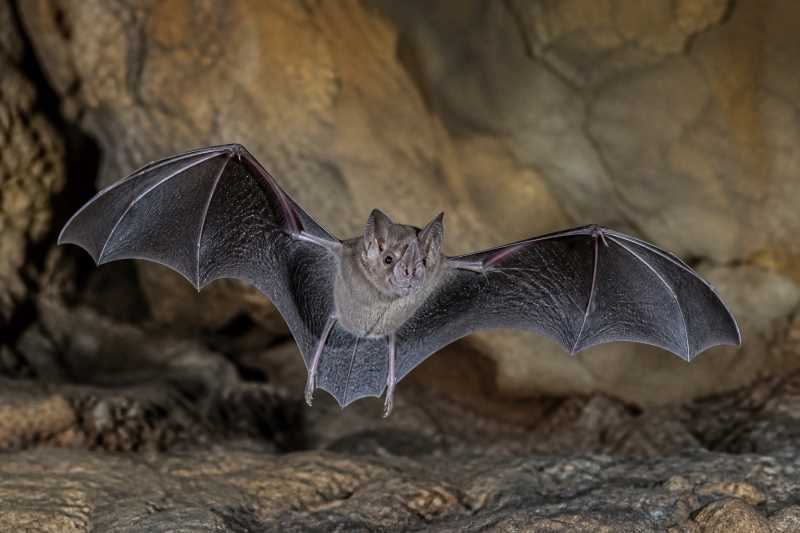
The Mozambican Horseshoe Bat is a medium-sized bat characterized by its distinct noseleaf shape, which resembles a horseshoe—a feature that aids in its sophisticated echolocation. The body length of this species typically ranges from 50 to 70 millimeters, with a wingspan extending between 300 and 350 millimeters. The bat’s fur is generally a blend of grayish-brown hues on the dorsal side, with a slightly paler underside. Its large ears and prominent noseleaf are critical for its navigation and prey detection.
The wings of the Mozambican Horseshoe Bat are adapted for agile flying, allowing it to maneuver effortlessly through dense vegetation. The bat’s eyes are small, reflecting its reliance on echolocation rather than visual cues for hunting and navigation. Additionally, the species exhibits sexual dimorphism, with females generally being slightly larger than males.
Range and Habitat
The Mozambican Horseshoe Bat is endemic to the southeastern regions of Africa, particularly Mozambique. Its range extends into neighboring countries, including parts of South Africa and Zimbabwe. This species predominantly inhabits tropical and subtropical forests, where it takes advantage of the rich biodiversity and abundant insect prey.
Within these habitats, the Mozambican Horseshoe Bat prefers roosting in caves, abandoned mines, and hollow trees. These locations provide the necessary shelter and stable microclimate essential for their survival. The availability of suitable roosting sites is crucial for the bat’s reproductive success and overall population stability.
Behavior and Diet
The Mozambican Horseshoe Bat is primarily nocturnal, emerging at dusk to embark on foraging excursions. Its diet mainly consists of insects, with a particular preference for moths and beetles. The bat employs a sophisticated echolocation system, emitting high-frequency calls that bounce off objects and return as echoes, allowing it to detect and capture prey with remarkable precision.
Socially, these bats are known to form colonies, which can range from a few individuals to several dozen. During the breeding season, males establish territories and engage in vocal displays to attract females. The species exhibits a polygynous mating system, where a single male mates with multiple females.
Identification Tips
Identifying the Mozambican Horseshoe Bat in the field requires careful observation of certain key characteristics:
- Noseleaf Shape: The distinctive horseshoe-shaped noseleaf is the most recognizable feature.
- Echolocation Calls: Utilizing a bat detector can aid in distinguishing their specific echolocation frequencies.
- Roosting Sites: Look for these bats in caves and hollow trees during daylight hours.
- Flight Pattern: Observe their agile and erratic flight, typical of insectivorous bats.
Conservation Status
The conservation status of the Mozambican Horseshoe Bat is currently listed as Near Threatened on the IUCN Red List. The primary threats to this species include habitat destruction due to deforestation, mining activities, and human encroachment. These activities lead to the loss of critical roosting sites and foraging habitats.
Conservation efforts are focused on habitat preservation and the establishment of protected areas. Additionally, raising awareness about the ecological importance of bats and their role in pest control is crucial for garnering public support for conservation initiatives.
Frequently Asked Questions
- What is the primary diet of the Mozambican Horseshoe Bat?
The Mozambican Horseshoe Bat primarily feeds on insects, with a preference for moths and beetles. Its echolocation abilities allow it to hunt these prey effectively in the dark.
- Where can the Mozambican Horseshoe Bat be found?
This species is found in southeastern Africa, particularly in Mozambique, with its range extending into South Africa and Zimbabwe. It inhabits tropical and subtropical forests.
- What are the main threats to the Mozambican Horseshoe Bat?
The main threats include habitat destruction from deforestation and mining activities, which lead to the loss of roosting and foraging sites.
- How does the Mozambican Horseshoe Bat navigate in the dark?
The bat uses echolocation, emitting high-frequency calls that bounce off objects and return as echoes, enabling it to navigate and hunt effectively.
- What conservation measures are in place for the Mozambican Horseshoe Bat?
Conservation measures include habitat preservation, creating protected areas, and raising public awareness about the ecological role of bats.
Related posts