Introduction
The Indochinese Horseshoe Bat, scientifically known as Rhinolophus chaseni, is a fascinating species of bat belonging to the Rhinolophidae family. This species is one of the many that make up the diverse bat fauna of Southeast Asia. Known for their unique horseshoe-shaped noseleaf, these bats play a crucial role in their ecosystems as insectivores, contributing to pest control and maintaining ecological balance. Despite their importance, the Indochinese Horseshoe Bat faces numerous challenges that threaten its survival, making conservation efforts vital.
Physical Description
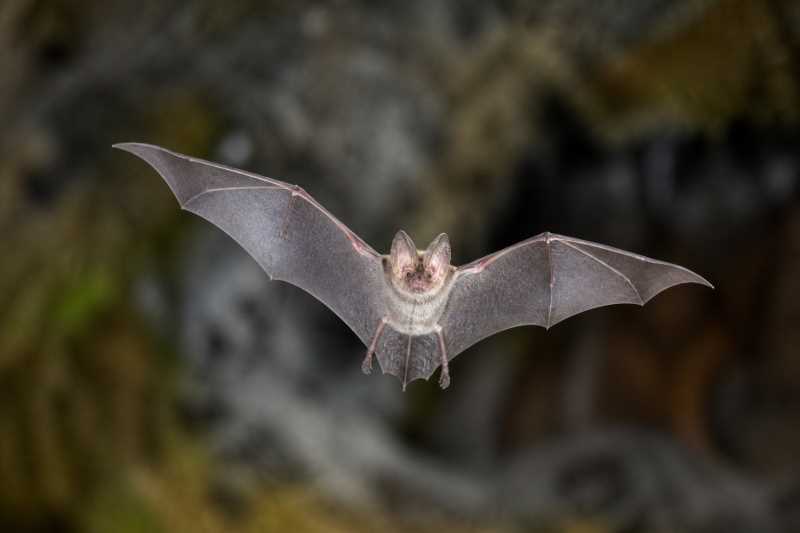
The Indochinese Horseshoe Bat is a medium-sized bat characterized by its distinctive noseleaf, which resembles a horseshoe. This feature is not just for show; it plays a critical role in their echolocation abilities, allowing them to navigate and hunt effectively in complete darkness. The bats typically have a wingspan ranging from 30 to 35 centimeters and weigh between 10 to 15 grams.
Their fur is usually a blend of brown and gray, providing excellent camouflage against the bark of trees and cave walls where they often roost. The underside is generally lighter, offering a subtle contrast. The wings are long and narrow, adapted for agile flight through dense vegetation. Their ears are large and rounded, aiding in detecting sound waves, which is vital for their hunting and navigation.
Range and Habitat
The Indochinese Horseshoe Bat is primarily found in Southeast Asia, with its range extending across countries like Thailand, Laos, Vietnam, Cambodia, and parts of Myanmar. These bats inhabit a variety of environments, including tropical and subtropical forests, limestone caves, and even agricultural areas.
They prefer roosting in caves, old mines, and sometimes in buildings, making use of the dark, humid conditions these locations provide. The availability of suitable roosting sites plays a significant role in their distribution, as they rely heavily on these shelters for protection and breeding.
Behavior and Diet
As nocturnal creatures, Indochinese Horseshoe Bats are most active during the night. They emerge from their roosts at dusk to hunt for insects, their primary diet. Using their sophisticated echolocation system, they emit high-frequency sounds that bounce off objects, allowing them to detect and catch prey with remarkable precision.
Their diet mainly consists of moths, beetles, and other small insects, which they catch in flight using their agile flying skills. They are solitary hunters but may roost in small groups, especially during the breeding season. Social interactions are limited, with communication primarily occurring through vocalizations and scent marking.
Identification Tips (field recognition cues)
Identifying the Indochinese Horseshoe Bat in the field requires a keen eye for detail and some basic knowledge of bat morphology. Here are some tips:
- Noseleaf: Look for the characteristic horseshoe-shaped noseleaf, which is a key distinguishing feature.
- Fur Color: Note the bat’s fur color, which is typically a mix of brown and gray.
- Ears and Wings: Check the size and shape of the ears and wings; large, rounded ears and long, narrow wings are typical.
- Behavior: Observe their flight patterns at dusk and dawn, as they are most active during these times.
Conservation Status (with threats and protections)
The Indochinese Horseshoe Bat is currently listed as Near Threatened on the IUCN Red List. This status reflects the ongoing threats to their populations, primarily due to habitat loss, disturbance of roosting sites, and hunting.
Threats:
- Habitat Destruction: Deforestation and land conversion for agriculture reduce their natural habitat.
- Roost Disturbance: Human intrusion into caves for tourism or mining disrupts their roosting sites.
- Pesticide Use: Agricultural chemicals reduce insect populations, affecting their food sources.
Protections:
- Conservation Programs: There are ongoing efforts to protect critical habitats and educate local communities about the importance of bats.
- Legal Protections: Some regions have enacted laws to safeguard bat populations and their habitats.
Frequently Asked Questions
1. What is the primary diet of the Indochinese Horseshoe Bat?
The Indochinese Horseshoe Bat primarily feeds on insects, including moths and beetles. They use echolocation to hunt and capture their prey during their nocturnal forays.
2. How does the Indochinese Horseshoe Bat use echolocation?
These bats emit high-frequency sound waves that bounce off objects and return as echoes, allowing them to create a mental map of their surroundings and locate prey even in complete darkness.
3. Why is the Indochinese Horseshoe Bat considered Near Threatened?
The species is listed as Near Threatened due to habitat loss, disturbance of roosting sites, and reduced food availability caused by pesticide use. Conservation efforts are essential to improve their status.
Related posts