Introduction
The Krau Woolly Bat, scientifically known as Kerivoula krauensis, is a fascinating yet lesser-known species of bat that belongs to the family Vespertilionidae. This species is part of the genus Kerivoula, which comprises several small, insectivorous bats known for their woolly fur. Discovered relatively recently, the Krau Woolly Bat has become a subject of interest for researchers and conservationists due to its unique ecological role and the specific environmental conditions it thrives in. This article will delve into the various aspects of the Krau Woolly Bat, from its physical description to its conservation status, providing a comprehensive overview of this interesting mammal.
Physical Description
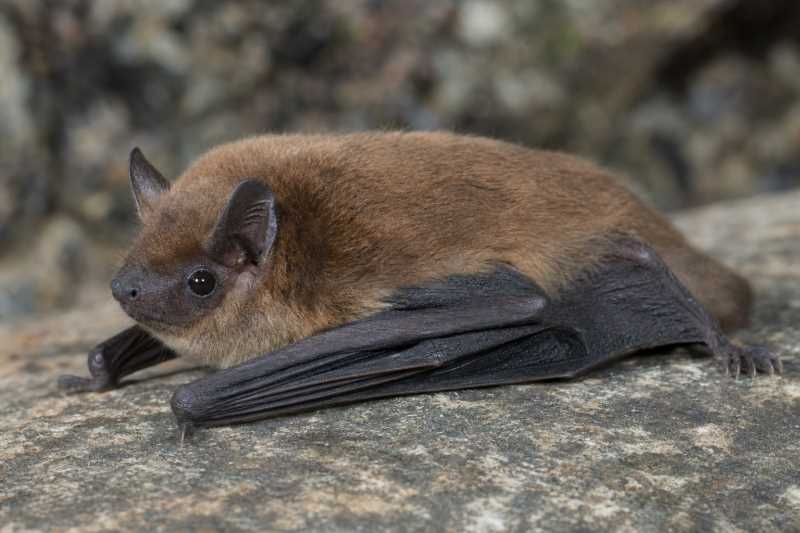
The Krau Woolly Bat is a small bat species characterized by its distinctively soft and woolly fur, a common trait among members of the Kerivoula genus. Its fur is typically a blend of brown and grey, providing effective camouflage against the bark of trees and the forest undergrowth where it resides. Adults usually weigh between 5 to 8 grams and have a forearm length ranging from 30 to 38 millimeters.
The bat’s ears are large relative to its head size, with a tragus that is pointed and slightly curved, aiding in echolocation. Its wings are long and narrow, adapted for agile flight through dense vegetation. The tail is enclosed within the uropatagium, a membrane that extends between the hind legs, providing additional lift and control during flight.
Range and Habitat
The Krau Woolly Bat is endemic to Southeast Asia, with its range primarily concentrated in Malaysia. It was first discovered in the Krau Wildlife Reserve, which is a part of the Taman Negara National Park complex. This region is characterized by tropical rainforest habitat, which provides the ideal environment for the species.
These bats prefer lowland forests, often roosting in hollow trees, under bark, or within dense foliage. They are also found in secondary forests and sometimes in plantations, where they can find abundant insect prey. The preservation of these habitats is crucial for the survival of the Krau Woolly Bat, as deforestation and habitat fragmentation pose significant threats.
Behavior and Diet
The Krau Woolly Bat is predominantly nocturnal, emerging at dusk to hunt for food. Its diet consists mainly of insects, including moths, beetles, and other small arthropods. It uses echolocation to navigate and hunt, emitting high-frequency sounds that bounce off objects and return to the bat’s sensitive ears.
Socially, these bats are relatively solitary or form small groups. They communicate with each other using a range of vocalizations, particularly during the breeding season. Mating typically occurs during the dry season, with females giving birth to a single pup after a gestation period of about six weeks.
Identification Tips (Field Recognition Cues)
- Fur Texture and Color: Look for the characteristically woolly and dense fur, which is usually brownish-grey.
- Ears and Tragus: Identify the large ears with a pointed tragus, a distinguishing feature among bats in this genus.
- Size and Wingspan: Note the small size with a forearm length of 30-38 mm and narrow wings adapted for maneuverability.
- Roosting Habits: Spot these bats in hollow trees or under loose bark in tropical forests.
Conservation Status (With Threats and Protections)
Currently, the Krau Woolly Bat is listed as Data Deficient on the IUCN Red List. This classification highlights a need for further research to better understand population sizes and trends. The primary threats to this species include habitat destruction due to logging, agricultural expansion, and urbanization.
Conservation efforts are crucial for the survival of the Krau Woolly Bat. Protecting its natural habitat, especially within the boundaries of reserves and national parks, is a primary focus. Research initiatives are underway to gather more data on its ecology and behavior, which will aid in developing effective conservation strategies.
Frequently Asked Questions
1. What is the primary diet of the Krau Woolly Bat?
The Krau Woolly Bat primarily feeds on insects. Its diet includes moths, beetles, and other small arthropods. It uses echolocation to locate and capture its prey during nighttime foraging sessions.
2. Where can the Krau Woolly Bat be found?
This species is endemic to Southeast Asia, with a primary range in Malaysia. They inhabit lowland tropical forests, including regions within the Krau Wildlife Reserve and Taman Negara National Park.
3. How does the Krau Woolly Bat communicate?
The Krau Woolly Bat communicates through a series of vocalizations. These are particularly prominent during the mating season. Echolocation is also used not just for hunting but for navigation and social interactions within small groups.
4. What are the major threats to the Krau Woolly Bat?
The major threats include habitat destruction due to deforestation, agriculture, and urban development. These activities lead to habitat fragmentation, which affects their population and distribution.
5. How can the Krau Woolly Bat be identified in the field?
Field identification can be achieved by observing their woolly fur texture, large ears with pointed tragi, and their specific roosting habits in tropical forest environments.
Related posts