Introduction
Pancho’s Monito del Monte, scientifically known as Dromiciops bozinovici, is a captivating marsupial species native to the temperate forests of South America. This elusive mammal has intrigued scientists and nature enthusiasts alike due to its unique evolutionary history and ecological significance. As a member of the order Microbiotheria, Pancho’s Monito del Monte is considered a living fossil, providing valuable insights into the ancient lineage of marsupials. This article explores the physical characteristics, habitat, behavior, diet, conservation status, and more about this fascinating species.
Physical Description
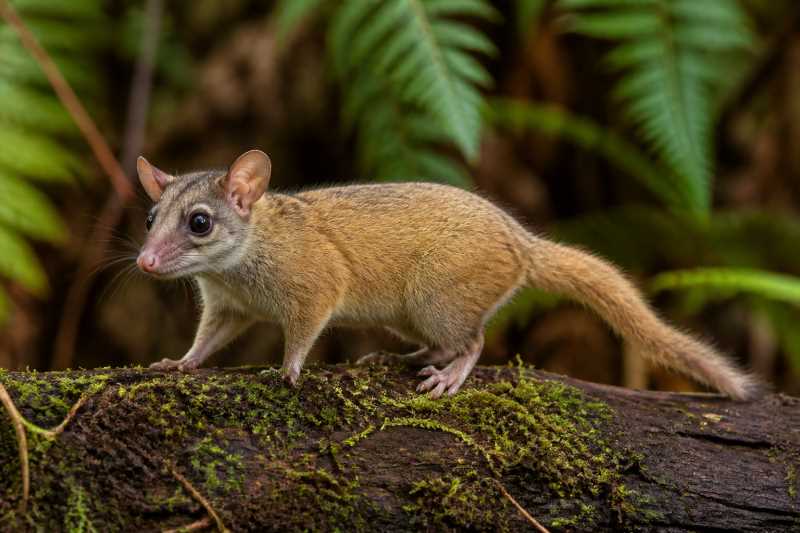
Pancho’s Monito del Monte is a small marsupial, measuring between 8 to 13 centimeters in body length, with a tail that adds an additional 9 to 12 centimeters. The species typically weighs around 16 to 30 grams. Its fur is dense and soft, with a distinctive coloration that includes a greyish-brown back and a creamy white underbelly. One of the most striking features of this marsupial is its large eyes, which are adapted for nocturnal vision, allowing it to navigate and forage effectively in the darkness of its forest habitat. The tail is prehensile, aiding in climbing and maintaining balance among the trees.
Range and Habitat
The natural habitat of Pancho’s Monito del Monte is confined to the temperate rainforests of southern Chile and Argentina. These forests are characterized by their dense canopy, high humidity, and rich biodiversity. The Monito del Monte prefers areas with abundant understory vegetation, providing ample cover and food resources. Its range is limited to the Valdivian temperate rainforests, a region known for its high conservation value and unique plant and animal communities. The species is arboreal, spending most of its life in the trees, although it occasionally descends to the forest floor.
Behavior and Diet
Pancho’s Monito del Monte is primarily nocturnal, exhibiting peak activity during the night. It is solitary, except during the breeding season when males and females come together. The species is known for its slow, deliberate movements and exceptional climbing abilities. Its diet is predominantly insectivorous, feeding on a variety of insects and small invertebrates. However, it also consumes fruits and nectar, playing a crucial role in seed dispersal and pollination within its ecosystem. During colder months, the Monito del Monte enters a state of torpor, significantly reducing its metabolic rate to conserve energy.
Identification Tips (field recognition cues)
Identifying Pancho’s Monito del Monte in the wild requires keen observation skills due to its elusive nature and small size. Key identification tips include:
- Large, Prominent Eyes: Adapted for nocturnal vision, these eyes are a significant feature.
- Dense, Soft Fur: Look for the greyish-brown color on the back and white underbelly.
- Prehensile Tail: This tail helps in balancing and climbing, often seen wrapped around branches.
- Vocalizations: Listen for the soft chirping and clicking sounds the animal makes, especially during nighttime.
- Habitat Preference: Spotting one is more likely in dense, temperate rainforests with rich undergrowth.
Conservation Status (with threats and protections)
As of current assessments, Pancho’s Monito del Monte is classified as Near Threatened on the IUCN Red List. The primary threats to its survival include habitat loss due to deforestation, land conversion for agriculture, and climate change. The fragmentation of its habitat poses significant challenges for the species’ long-term viability. Conservation efforts are in place to protect the Valdivian temperate rainforests, with both governmental and non-governmental organizations working to mitigate these threats. Legal protections in Chile and Argentina aim to preserve critical habitats and promote sustainable land-use practices.
Frequently Asked Questions
1. What makes Pancho’s Monito del Monte unique among marsupials? Pancho’s Monito del Monte is unique due to its status as a living fossil, representing an ancient lineage that provides crucial insights into marsupial evolution. Its ecological role in seed dispersal and pollination also distinguishes it from other marsupials.
2. How can you spot Pancho’s Monito del Monte in its natural habitat? Spotting this elusive creature requires patience and a keen eye for its distinctive features like large eyes and prehensile tail. Observing during nighttime in dense forests increases chances for sightings.
3. What threats does Pancho’s Monito del Monte face, and how can they be mitigated? The species faces threats from habitat loss, climate change, and deforestation. Mitigation efforts include habitat conservation, legal protection, and promoting sustainable forestry practices.
4. Why is the conservation of Pancho’s Monito del Monte important? Conserving this species is crucial for maintaining the biodiversity and ecological balance of the temperate rainforests. It plays a vital role in seed dispersal and pollination, supporting the health of its ecosystem.
5. Can Pancho’s Monito del Monte be found in captivity? Currently, there are no substantial efforts to maintain Pancho’s Monito del Monte in captivity, as conservation focuses on preserving its natural habitat to ensure its survival in the wild.
Related posts