Introduction
The Madagascar Cryptic Roundleaf Bat, scientifically known as Macronycteris cryptovalorona, is a fascinating yet elusive member of the bat family found exclusively on the island of Madagascar. This species is a part of the Hipposideridae family, which is known for its distinctive horseshoe-shaped noseleaf. First described in 2017, the Madagascar Cryptic Roundleaf Bat has captured the attention of scientists and wildlife enthusiasts alike due to its unique characteristics and the challenges it faces in its natural habitat.
Physical Description
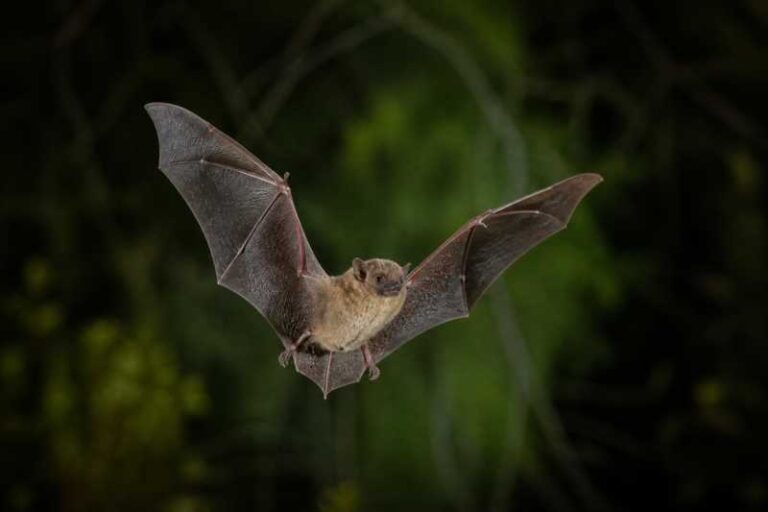
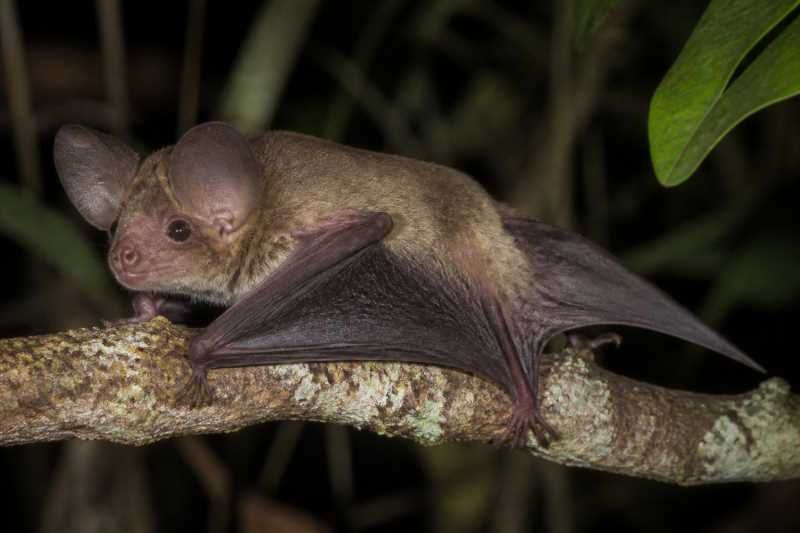
The Madagascar Cryptic Roundleaf Bat is characterized by its medium-sized body, with a wingspan ranging from 25 to 30 centimeters. Its fur is typically a mix of grayish-brown and lighter shades, providing excellent camouflage against the rocky and forested landscapes it inhabits. The bat’s most distinctive feature is its roundleaf nose, which is used for echolocation—a crucial adaptation for navigating and hunting in the dark.
Its eyes are relatively small, but its large, rounded ears are highly sensitive, allowing it to pick up the faintest of sounds. The tail, which is about half the length of the body, is encased in a membrane that assists with flight stability. The overall appearance of the Madagascar Cryptic Roundleaf Bat is both subtle and intriguing, making it a perfect example of the adaptability and specialization seen in Madagascar’s unique fauna.
Range and Habitat
Endemic to Madagascar, the range of the Madagascar Cryptic Roundleaf Bat is primarily concentrated in the island’s eastern and northern regions. It prefers to inhabit humid forests and limestone caves, which offer ample feeding opportunities and roosting sites. These bats are often found in groups, roosting in the dark, humid recesses of caves, where they are protected from predators and harsh weather conditions.
Madagascar’s unique ecological landscape, with its rich biodiversity, provides a perfect backdrop for the bat’s survival. However, the specific distribution of the species is not entirely mapped, partly due to the inaccessibility of some of its preferred habitats and the cryptic nature of the bat itself.
Behavior and Diet
The Madagascar Cryptic Roundleaf Bat is nocturnal, meaning it is primarily active during the night. It emerges from its roosts at dusk to feed, utilizing its advanced echolocation abilities to hunt for insects. Its diet consists mainly of moths, beetles, and other small flying insects, which it catches in flight using its agile and acrobatic flying skills.
Socially, these bats are known to form small to medium-sized colonies. Communication among colony members is facilitated by a range of vocalizations, which are also used for echolocation. The bats’ acute hearing allows them to detect even the smallest prey movements, making them highly efficient hunters.
Identification Tips (Field Recognition Cues)
Identifying the Madagascar Cryptic Roundleaf Bat in the field requires careful observation of several key characteristics:
- Noseleaf Shape: The roundleaf shape of the nose is a defining characteristic, differing from other bats with more pointed or elongated noseleaves.
- Fur Coloration: Look for the distinctive grayish-brown fur that blends with lighter tones, which helps in camouflage within its natural habitat.
- Echolocation Calls: Their echolocation calls, which can be detected using bat detectors, are specific to the species and can aid in identification.
- Roosting Behavior: These bats are often found roosting in caves and crevices, typically in humid forest environments.
Conservation Status (with threats and protections)
The conservation status of the Madagascar Cryptic Roundleaf Bat is currently classified as Data Deficient by the International Union for Conservation of Nature (IUCN). This classification highlights the need for more research to determine population sizes and trends. The primary threats to this species include habitat destruction due to deforestation, mining, and human encroachment. Additionally, disturbances in roosting sites, such as caves, can have a significant impact on their populations.
Conservation efforts are ongoing, with several initiatives aimed at preserving Madagascar’s unique ecosystems. Protected areas and national parks play a crucial role in safeguarding the bat’s habitat. Continued research and monitoring are essential to ensure that effective conservation strategies are implemented.
Frequently Asked Questions
1. What is the primary diet of the Madagascar Cryptic Roundleaf Bat?
The Madagascar Cryptic Roundleaf Bat primarily feeds on insects, including moths and beetles. It uses echolocation to hunt and catch its prey during nighttime flights.
2. Where can the Madagascar Cryptic Roundleaf Bat be found?
This species is endemic to Madagascar and is primarily found in the island’s eastern and northern regions, inhabiting humid forests and limestone caves.
3. How does the Madagascar Cryptic Roundleaf Bat use echolocation?
The bat uses echolocation to navigate and locate prey. It emits high-frequency sound waves that bounce off objects and return as echoes, helping it detect the size, shape, and distance of objects.
4. What are the main threats to the Madagascar Cryptic Roundleaf Bat?
The primary threats include habitat destruction from deforestation and mining, as well as disturbances to their roosting sites. Conservation efforts are focused on habitat preservation and research.
5. How can the Madagascar Cryptic Roundleaf Bat be identified in the field?
Field identification can be achieved by observing its roundleaf nose, grayish-brown fur, and specific echolocation calls. They are often found in caves within humid forest environments.
Related posts