Introduction
The Happy Tube-nosed Fruit Bat, scientifically known as Nyctimene wrightae, is a unique and fascinating species of bat that captures the interest of researchers and wildlife enthusiasts alike. This bat is part of the Pteropodidae family, commonly referred to as flying foxes or fruit bats. Known for its distinctive tube-shaped nostrils and vibrant demeanor, Nyctimene wrightae plays a critical role in its ecosystem through seed dispersal and pollination. Its peculiar name reflects the cheerful appearance and behavior observed by those who study this remarkable mammal.
Understanding the Happy Tube-nosed Fruit Bat is crucial for conservation efforts, as its well-being is closely linked to the health of tropical forest ecosystems. This article delves into the various aspects of this species, from its physical characteristics to its behavior and habitat, providing a comprehensive overview for anyone interested in mammalian biodiversity.
Physical Description
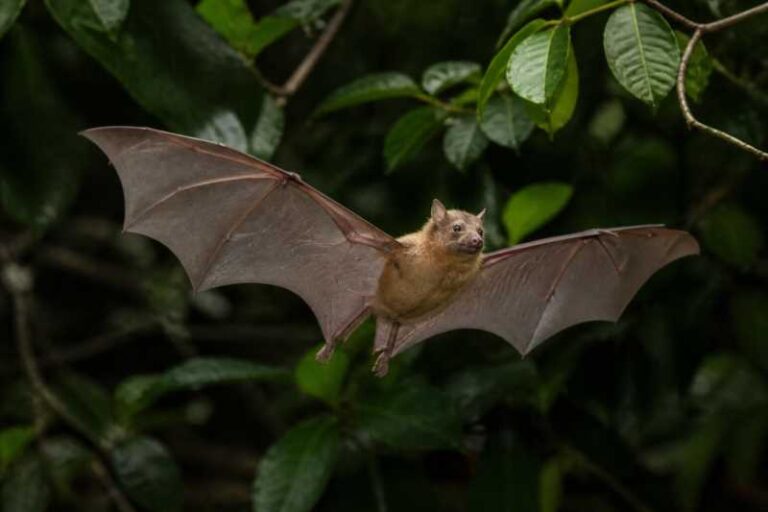
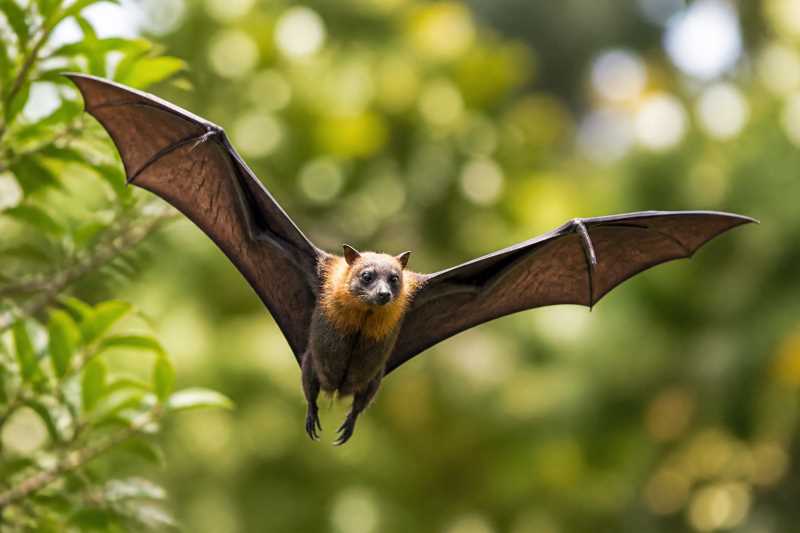
The Happy Tube-nosed Fruit Bat is immediately recognizable by its unique physical traits. It is a medium-sized bat with a wingspan ranging from 30 to 40 centimeters. The most striking feature of this species is its tube-shaped nostrils, which protrude from its snout, giving it a distinctive appearance among bats. These tubular nostrils are thought to aid in its olfactory capabilities, enhancing its ability to locate food.
The bat’s fur is generally a mottled mix of brown and gray, providing excellent camouflage in its natural habitat. Some individuals may exhibit lighter or darker variations, depending on geographic location and age. The Happy Tube-nosed Fruit Bat also possesses large, expressive eyes that contribute to its ‘happy’ appearance, along with rounded ears that aid in echolocation.
Sexual dimorphism in this species is subtle, with males typically being slightly larger than females. The tail is relatively short, and the wings are long and narrow, designed for efficient flight through dense forest canopies.
Range and Habitat
Nyctimene wrightae is native to the tropical and subtropical forests of Southeast Asia and the Pacific Islands. Its range includes countries such as Indonesia, Papua New Guinea, and parts of the Philippines. These bats prefer lowland forests and are often found in areas with dense foliage, which provide ample opportunities for feeding and roosting.
The species is highly adaptable and can be found at various elevations, from sea level up to 1,500 meters. They often roost in the foliage of trees, utilizing the leaves for shelter and protection. The availability of fruit-bearing trees is crucial to their habitat, as these bats rely heavily on fruit for sustenance.
Deforestation and habitat fragmentation pose significant threats to their habitat, making conservation efforts imperative for their survival.
Behavior and Diet
The Happy Tube-nosed Fruit Bat is primarily nocturnal, spending its nights foraging for food and its days resting in tree canopies. They are social creatures, often found in small groups or colonies. Their social structure can vary, with some groups consisting of family units, while others may be more fluid in composition.
Their diet consists mainly of fruits, nectar, and occasionally insects. They exhibit a preference for figs and other soft fruits, which are abundant in their natural habitats. These bats play a vital role in their ecosystems as pollinators and seed dispersers, aiding in the propagation of various plant species.
The foraging behavior of Nyctimene wrightae is characterized by short, agile flights through the forest canopy, which allows them to efficiently locate and consume food. Their keen sense of smell and echolocation abilities are essential tools in navigating their environment and finding sustenance.
Identification Tips (field recognition cues)
Identifying the Happy Tube-nosed Fruit Bat in the wild can be challenging due to its elusive nature and the dense habitats it occupies. However, several key characteristics can aid in its identification:
- Tube-shaped Nostrils: The most distinctive feature, these nostrils are rare among bats and provide a reliable identification marker.
- Fur Coloration: Look for the mottled brown and gray fur, which provides camouflage in forest environments.
- Wing Shape and Size: Long, narrow wings are characteristic of this species, facilitating agile flight through dense foliage.
- Behavioral Patterns: Observing their nocturnal activity and feeding behavior can also aid in identification.
Field researchers and wildlife enthusiasts should equip themselves with binoculars and patience, as these bats are best observed during their active nighttime hours.
Conservation Status (with threats and protections)
The conservation status of the Happy Tube-nosed Fruit Bat is currently classified as Near Threatened on the IUCN Red List. The primary threats to this species include habitat loss due to deforestation, agricultural expansion, and logging activities. These factors lead to habitat fragmentation, which disrupts their foraging and roosting sites.
Conservation efforts are focused on protecting and restoring their natural habitats. This includes the establishment of protected areas and the promotion of sustainable land-use practices. Additionally, research programs aimed at understanding their ecology and behavior are crucial for developing effective conservation strategies.
Public awareness campaigns and community involvement play significant roles in conservation efforts, encouraging local populations to participate in preserving these vital ecosystems.
Frequently Asked Questions
How does the Happy Tube-nosed Fruit Bat contribute to its ecosystem?
The Happy Tube-nosed Fruit Bat is a key pollinator and seed disperser, aiding in the propagation of various plant species. Their foraging behavior helps maintain the health and diversity of tropical forests.
What are the main threats to the Happy Tube-nosed Fruit Bat?
The primary threats include habitat loss due to deforestation, agricultural expansion, and logging activities. These factors lead to habitat fragmentation, which disrupts their natural living conditions.
How can we help in the conservation of the Happy Tube-nosed Fruit Bat?
Supporting habitat protection initiatives, promoting sustainable land-use practices, and participating in community awareness programs are effective ways to contribute to the conservation of this species.
Are there any unique features that distinguish the Happy Tube-nosed Fruit Bat from other bat species?
Yes, the most distinctive feature is their tube-shaped nostrils, which are uncommon among bats. This, along with their mottled fur and large eyes, makes them easily distinguishable.
Where can I observe the Happy Tube-nosed Fruit Bat in the wild?
They are best observed in the lowland forests of Southeast Asia and the Pacific Islands. Binoculars and patience are essential, as they are nocturnal and elusive.
Related posts