Introduction
The Mindoro Pallid Flying Fox (Desmalopex microleucoptera), a captivating and lesser-known member of the fruit bat family, offers a fascinating glimpse into the biodiversity of the Philippines. This flying mammal, endemic to the island of Mindoro, is a vital component of its ecosystem, playing a crucial role in seed dispersal and forest regeneration. As a species of significant ecological importance, understanding the Mindoro Pallid Flying Fox’s life and challenges is essential for its conservation and the preservation of its habitat.
Physical Description
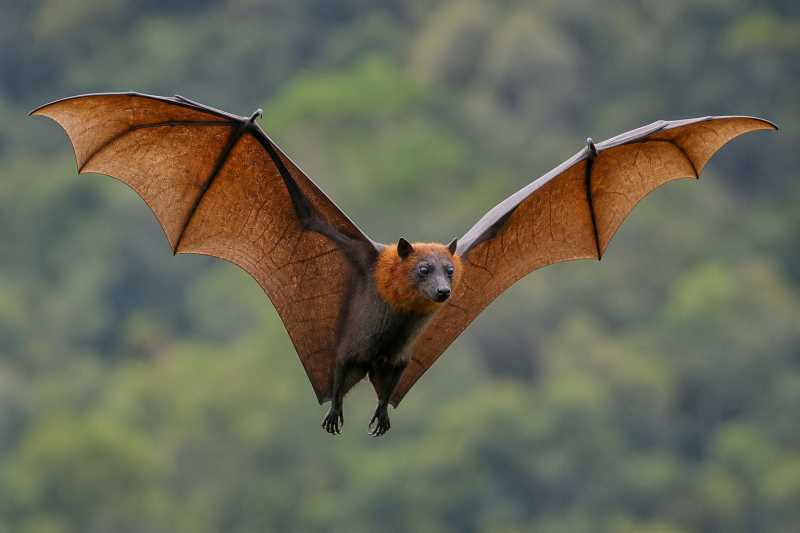
The Mindoro Pallid Flying Fox is distinguished by its striking appearance, characterized by a pale, almost ghostly fur that gives it its name. This species exhibits a relatively large wingspan, ranging from 1.2 to 1.5 meters, which is impressive for its body size. The wings are dark and leathery, contrasting with the lighter body fur, and are adapted for efficient, long-distance flight. The fox-like face, a common feature among flying foxes, is marked by a pointed snout and large, expressive eyes that are well-suited for nocturnal activity.
The body weight of the Mindoro Pallid Flying Fox can vary, but adults typically weigh between 600 to 900 grams. The sharp claws and strong limbs aid in gripping and maneuvering through the dense foliage of their forest habitat. Sexual dimorphism is minimal in this species, with males and females appearing similar in size and coloration.
Range and Habitat
The Mindoro Pallid Flying Fox is exclusively found on the island of Mindoro in the Philippines, making it a geographically restricted species. This island, known for its rich biodiversity, provides a unique environment for the flying fox. The species primarily inhabits lowland and montane forests, where it can find abundant food sources and roosting sites.
The flying fox prefers undisturbed forest areas, often seeking out tall trees and dense canopy cover for roosting during the day. These habitats not only provide shelter but also serve as key locations for social interactions and breeding activities. Unfortunately, habitat loss due to deforestation and land conversion poses a significant threat to the continuity of these environments.
Behavior and Diet
The nocturnal Mindoro Pallid Flying Fox is predominantly frugivorous, feeding on a variety of fruits, nectar, and flowers. This diet positions the species as an essential pollinator and seed disperser, contributing significantly to forest ecology and regeneration. The flying fox possesses a keen sense of smell and sight, which assists in locating food sources over large distances.
Social in nature, these bats often roost in colonies that can number in the hundreds, demonstrating complex social structures and interactions. Communication within colonies is facilitated through vocalizations and postures, which play a role in maintaining group cohesion and hierarchy. Breeding typically occurs once a year, with females giving birth to a single pup after a gestation period of approximately six months.
Identification Tips (Field Recognition Cues)
Identifying the Mindoro Pallid Flying Fox in the field requires attention to a few key characteristics:
- Pale Fur: Look for the distinctive pale fur covering most of the body, which contrasts sharply with the darker wings.
- Large Wingspan: The sizeable wingspan, often exceeding 1.2 meters, is a notable feature when observing the bats in flight.
- Fox-like Face: The face resembles that of a fox, with a pointed snout and large, round eyes.
- Roosting Behavior: These bats are often spotted roosting in large colonies during the day, hanging from high branches in dense forested areas.
- Feeding Habits: As dusk approaches, observe their flight patterns as they search for fruit-bearing trees.
Conservation Status (with Threats and Protections)
The Mindoro Pallid Flying Fox is currently classified as "Endangered" on the IUCN Red List, primarily due to habitat loss and hunting pressures. The deforestation of Mindoro’s forests for agriculture, logging, and development is the most significant threat to this species’ survival. Additionally, hunting for bushmeat and traditional medicine further exacerbates their decline.
Conservation efforts are underway to protect this unique species. Establishing protected areas within Mindoro is crucial for preserving critical habitats. Conservation programs that focus on reforestation and sustainable land management practices are also essential. Educating local communities about the ecological importance of the flying fox and implementing strict anti-hunting laws can help reduce human-induced pressures.
Frequently Asked Questions
What is the role of the Mindoro Pallid Flying Fox in its ecosystem?
The Mindoro Pallid Flying Fox plays a vital role in its ecosystem as a pollinator and seed disperser. By consuming fruits and nectar, they facilitate the growth of new plants and contribute to forest regeneration, maintaining ecological balance.
How can we help in the conservation of the Mindoro Pallid Flying Fox?
Supporting local and international conservation organizations, advocating for the protection of forest habitats, and educating communities about the importance of biodiversity are effective ways to aid in the conservation of this species.
Why is the Mindoro Pallid Flying Fox endangered?
The primary reasons for its endangered status are habitat loss due to deforestation and hunting pressures. The destruction of forests reduces available roosting and feeding sites, while hunting further decreases population numbers.
Are there any protected areas for the Mindoro Pallid Flying Fox?
Yes, there are efforts to establish protected areas on Mindoro to conserve critical habitats for the flying fox. These areas aim to safeguard the natural environment and provide sanctuary for this endangered species.
What are the characteristics that distinguish the Mindoro Pallid Flying Fox from other flying foxes?
The Mindoro Pallid Flying Fox is distinguished by its pale fur, large wingspan, and fox-like facial features. Its restricted range to Mindoro Island also sets it apart from other flying fox species.
Related posts