Introduction
The Macedonian Mouse (Mus macedonicus) is a fascinating small mammal that has captured the attention of biologists and wildlife enthusiasts alike. Belonging to the family Muridae, this species is notable for its adaptability to various environments across Southeast Europe and the Middle East. Despite being less known than some of its rodent counterparts, the Macedonian Mouse plays a significant role in its ecosystem, highlighting the importance of understanding its behavior, habitat, and conservation needs. This article delves into the various aspects of the Macedonian Mouse, offering insights into its physical characteristics, habitat range, behavior, and the challenges it faces in the wild.
Physical Description
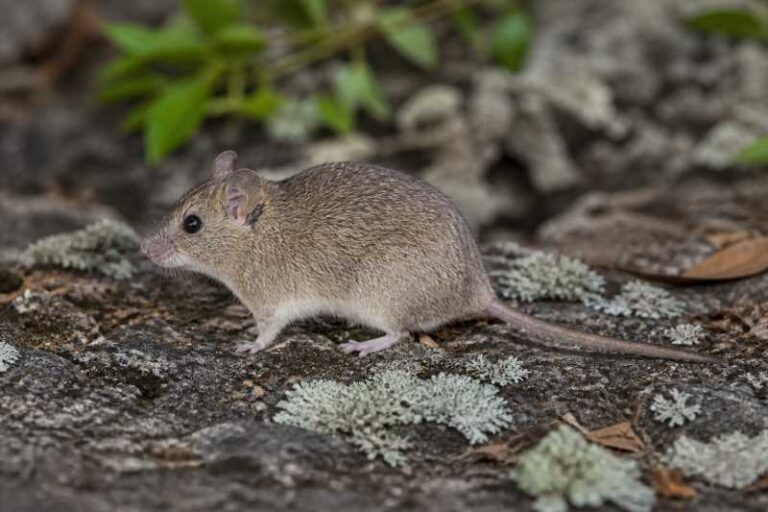
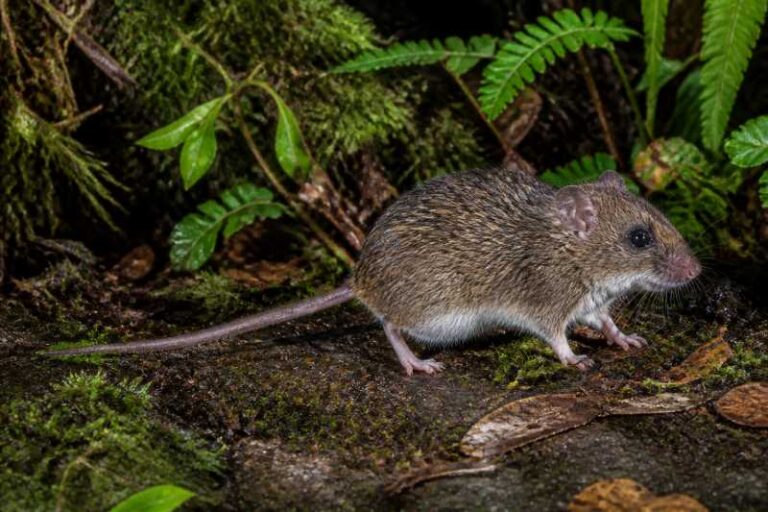
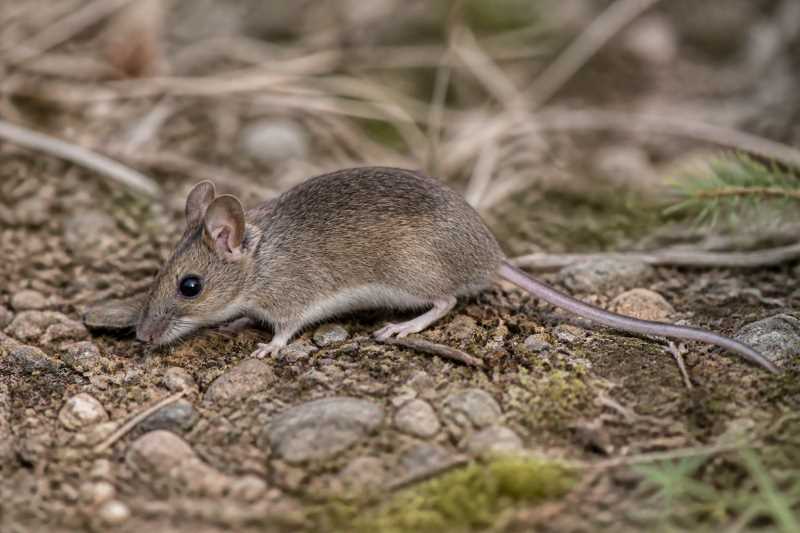
The Macedonian Mouse is a small rodent with a body length ranging from 6 to 9 centimeters, and a tail that often matches or slightly exceeds its body length. Adult Macedonian Mice typically weigh between 10 to 25 grams. Their fur is soft and dense, providing adequate insulation in various climates. The dorsal coloration is typically a blend of brown and gray, offering camouflage in their natural habitats, while the ventral side is paler, usually white or light gray. The ears of the Macedonian Mouse are relatively large compared to its head, and its eyes are prominent, which suggests an adaptation to nocturnal activity.
Range and Habitat
The Macedonian Mouse is predominantly found in Southeast Europe, with a range extending into parts of the Middle East. Its distribution includes countries such as Greece, Bulgaria, North Macedonia, Albania, and parts of Turkey. The species thrives in diverse habitats ranging from grasslands, shrublands, and agricultural fields to rocky terrains and coastal regions. Adaptability is a key trait of the Macedonian Mouse, enabling it to occupy both natural and human-altered landscapes. Proximity to human settlements is not uncommon, as these mice are opportunistic feeders that can benefit from agricultural produce.
Behavior and Diet
Primarily nocturnal, the Macedonian Mouse is most active during the night, which aids in avoiding predators. This species is known for its agile movements and quick reflexes, which are vital for foraging and evading threats. The diet of the Macedonian Mouse is omnivorous, consisting of seeds, grains, insects, and occasionally small fruits. Their foraging behavior is influenced by food availability and seasonal changes, often storing food to ensure sustenance during scarce periods. Socially, the Macedonian Mouse exhibits solitary behavior, although they can sometimes be seen in small groups, particularly during breeding seasons.
Identification Tips
Identifying the Macedonian Mouse in the field can be challenging due to its similarity to other mouse species. However, some distinctive features can aid recognition:
- Tail Length: The tail is typically as long as or longer than the body, which is a key characteristic.
- Fur Color: Look for the unique blend of brown and gray dorsal fur with a distinctly paler underside.
- Ears and Eyes: Note the relatively large ears and prominent eyes, adaptations for nocturnal activity.
- Habitat: Consider the habitat; the presence of this species in scrubland, rocky areas, or near agricultural fields can be a clue.
Conservation Status
The conservation status of the Macedonian Mouse is currently classified as Least Concern by the International Union for Conservation of Nature (IUCN). However, this status does not imply that the species is free from threats. Habitat destruction due to agricultural expansion, urbanization, and infrastructure development poses significant risks. Additionally, pesticide use in farming areas can adversely affect their populations. Conservation efforts focus on habitat preservation and monitoring population trends to ensure the species does not move towards a more threatened status.
Threats
- Habitat Loss: The conversion of natural habitats into agricultural or urban areas reduces available living spaces.
- Chemical Exposure: Pesticides and other chemicals used in agriculture can harm the mice directly or reduce their food sources.
Protections
Conservation measures include habitat protection through the establishment of natural reserves and wildlife corridors. Increased awareness and research are essential to mitigate the impacts of human activities on their habitats.
Frequently Asked Questions
What is the lifespan of the Macedonian Mouse?
The average lifespan of the Macedonian Mouse in the wild is approximately 1 to 2 years. Predation and environmental factors significantly influence their survival rates.
How do Macedonian Mice adapt to their environment?
Macedonian Mice have developed several adaptations, such as nocturnal behavior, a varied diet, and the ability to store food, which help them survive in diverse environments.
Are Macedonian Mice harmful to human activities?
While generally not harmful, Macedonian Mice can sometimes pose challenges in agricultural settings by consuming crops. Their presence in urban areas is usually minimal unless food sources are abundant.
What are the primary predators of the Macedonian Mouse?
Predators of the Macedonian Mouse include birds of prey, snakes, and small carnivorous mammals. Their nocturnal habits help reduce predation risks.
How does the Macedonian Mouse contribute to the ecosystem?
As seed dispersers and prey for various predators, Macedonian Mice play a crucial role in maintaining ecological balance. Their foraging activities also aid in soil aeration.
Related posts