Introduction
The Ecuadorian Long-tongued Bat, scientifically known as Glossophaga valens, is a remarkable species native to the lush and diverse landscapes of South America. Known for its distinctive feeding habits and vital role in pollination, this bat is an essential component of its ecosystem. Despite its importance, relatively little is widely known about this elusive creature, making it a fascinating subject for both scientific study and conservation efforts. This article delves into the intriguing world of the Ecuadorian Long-tongued Bat, exploring its physical characteristics, habitat, behavior, and the challenges it faces in the wild.
Physical Description
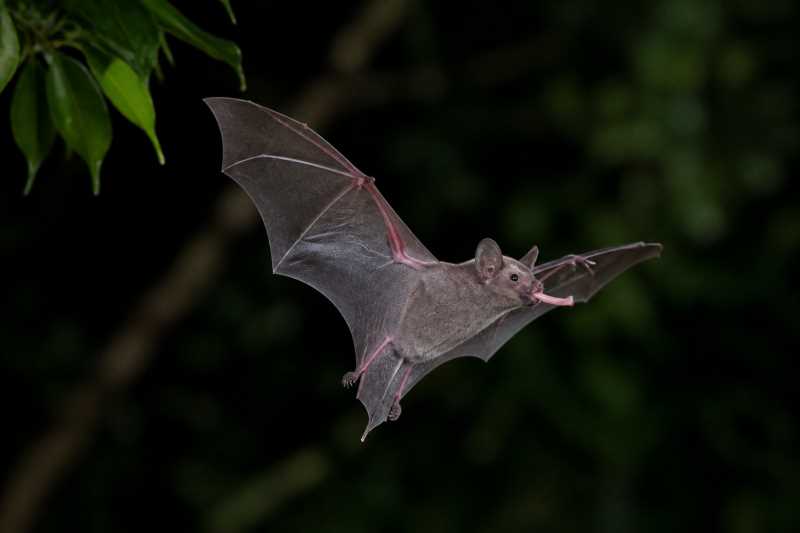
The Ecuadorian Long-tongued Bat is a small species, with an average weight ranging between 8 to 12 grams and a wingspan of approximately 30 to 35 centimeters. Its most distinctive feature is its elongated tongue, which can extend up to one and a half times the length of its head. This adaptation is critical for its feeding habits, allowing it to reach deep into flowers to access nectar. The bat’s fur is typically a muted brown or gray, providing excellent camouflage against the bark and leaves of trees in its forest habitat. Its ears are relatively large, aiding in its acute sense of hearing, which is vital for navigation and locating food.
Range and Habitat
Glossophaga valens is predominantly found in Ecuador, as its name suggests, but its range extends into parts of Colombia and Peru. This species thrives in tropical and subtropical forests, particularly in areas with abundant flowering plants. It prefers lowland and montane forests up to altitudes of about 2,000 meters. The bat’s habitat selection is heavily influenced by the availability of food sources, primarily nectar and pollen, which are abundant in these regions. The preservation of these habitats is crucial for the survival of the Ecuadorian Long-tongued Bat.
Behavior and Diet
The Ecuadorian Long-tongued Bat is primarily nocturnal, emerging at dusk to forage for food. Its diet consists mainly of nectar and pollen, making it an essential pollinator for a variety of plant species. This mutualistic relationship between the bat and flowering plants is vital for the reproduction of many trees and shrubs in its habitat. The bat’s long tongue is perfectly adapted to extract nectar from deep within flowers, while its fur collects pollen, which is then transferred to other plants during feeding.
In addition to nectar, the bat may occasionally consume small insects, which provide a source of protein. Its foraging behavior is characterized by swift, agile flight, and it is known to travel considerable distances from its roosting sites to find food.
Identification Tips (field recognition cues)
Identifying the Ecuadorian Long-tongued Bat in the field can be challenging due to its small size and nocturnal habits. However, there are several key characteristics to look for:
- Size and Shape: Look for a small bat with a slender body and relatively large ears.
- Tongue: If observed feeding, its long tongue is a distinctive feature.
- Flight Pattern: This bat exhibits rapid and agile flight, often hovering near flowers.
- Fur Color: Its fur is typically a dull brown or gray, blending well with its surroundings.
Conservation Status (with threats and protections)
The conservation status of the Ecuadorian Long-tongued Bat is currently classified as "Least Concern" by the International Union for Conservation of Nature (IUCN). However, like many species, it faces several threats that could impact its populations. Habitat loss due to deforestation and agricultural expansion is a significant concern, as it reduces the availability of food sources and roosting sites. Additionally, the use of pesticides can negatively affect the plants they rely on for nectar.
Conservation efforts for Glossophaga valens focus on habitat preservation and promoting sustainable agricultural practices. Protecting large tracts of forest and establishing ecological corridors can help ensure that these bats have sufficient resources to thrive. Furthermore, educating local communities about the ecological importance of bats can foster positive attitudes towards their conservation.
Frequently Asked Questions
What is the primary diet of the Ecuadorian Long-tongued Bat?
The Ecuadorian Long-tongued Bat primarily feeds on nectar and pollen, making it an important pollinator in its ecosystem. It occasionally supplements its diet with small insects.
How can I help in the conservation of the Ecuadorian Long-tongued Bat?
Supporting conservation organizations, promoting sustainable agriculture, and raising awareness about the ecological importance of bats are effective ways to contribute to the conservation of this species.
Where can the Ecuadorian Long-tongued Bat be found?
This bat species is primarily found in Ecuador, with its range extending into Colombia and Peru. It inhabits tropical and subtropical forests up to altitudes of about 2,000 meters.
How does the Ecuadorian Long-tongued Bat contribute to its ecosystem?
As a pollinator, the Ecuadorian Long-tongued Bat plays a crucial role in the reproduction of many plant species, contributing to the health and diversity of its ecosystem.
What are the main threats to the Ecuadorian Long-tongued Bat?
The primary threats include habitat loss due to deforestation and agricultural expansion, as well as the use of pesticides that affect their food sources.
Related posts