Introduction
Patton’s Nectar Bat, scientifically known as Hsunycteris pattoni, is a remarkable species of bat that has intrigued biologists and wildlife enthusiasts alike. Belonging to the family Phyllostomidae, this species was named in honor of James L. Patton, a notable mammalogist recognized for his extensive work on the biodiversity of South America. Known for its critical role in pollination, Patton’s Nectar Bat is a vital component of its ecosystem, contributing to the reproductive success of various plant species.
The study of Patton’s Nectar Bat provides insights into the complexities of tropical ecosystems and highlights the importance of conservation efforts to preserve biodiversity. This article aims to delve into the unique characteristics, habitat, behavior, and conservation status of this fascinating species, offering a comprehensive overview for both researchers and nature enthusiasts.
Physical Description
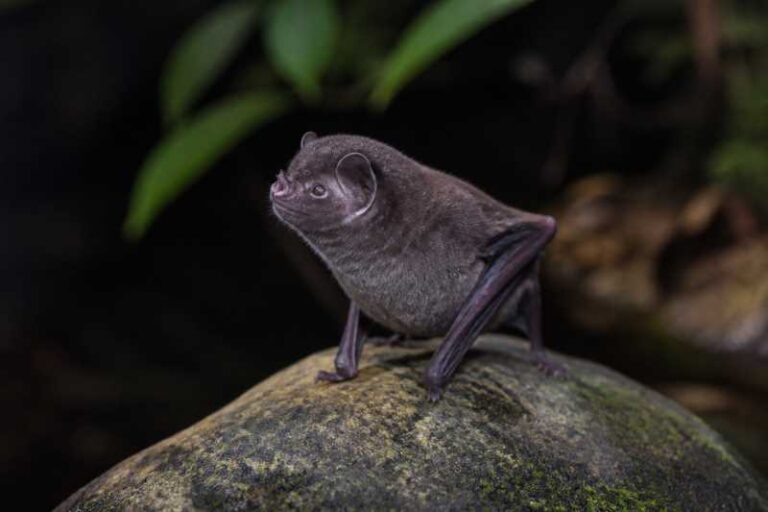
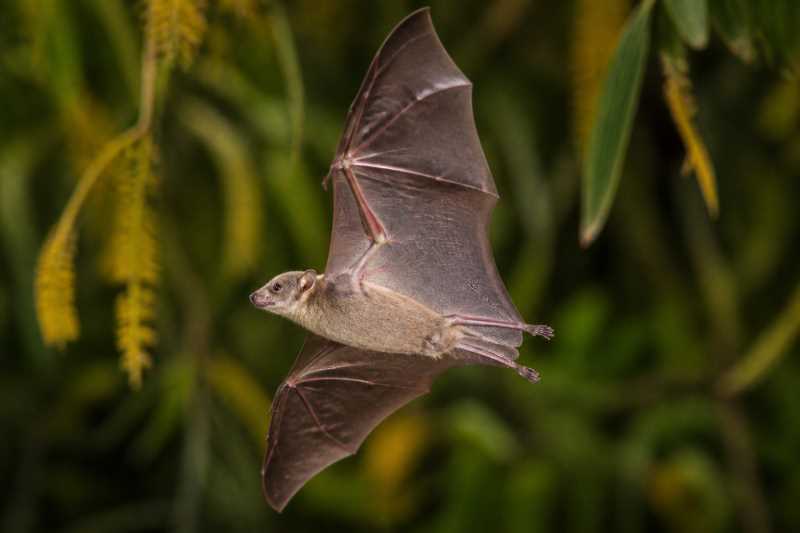
Patton’s Nectar Bat is a small bat species characterized by its distinctive morphology, which is well adapted for nectar feeding. The bat displays sexual dimorphism, with females typically being slightly larger than males. The average wingspan ranges from 25 to 30 cm, and the body length is approximately 5 to 7 cm.
The bat’s fur is generally a soft grayish-brown, providing effective camouflage against the bark and foliage of its habitat. Its most striking feature is its elongated snout and long, protruding tongue, adapted for reaching deep into flowers to access nectar. The bat also possesses a unique nose-leaf, a fleshy protrusion on its nose that aids in echolocation by directing sound waves.
The ears of Patton’s Nectar Bat are large and rounded, enhancing its auditory capabilities, essential for navigating through dense forests at night. The eyes are relatively small, reflecting its reliance on echolocation rather than vision for navigation and foraging.
Range and Habitat
Patton’s Nectar Bat is predominantly found in the tropical rainforests of South America, with a range that includes parts of the Amazon Basin, spanning countries such as Brazil, Peru, and Colombia. The species is typically associated with lowland tropical forests but can also be found in montane forests at elevations up to 1,000 meters.
These bats are highly dependent on forested environments where flowering plants are abundant. They prefer habitats with a high diversity of plant species, which provide a consistent source of nectar throughout the year. This preference underscores the bat’s role as a pollinator, as it frequently visits a wide variety of flowers in search of food.
Due to their reliance on specific habitats, Patton’s Nectar Bats are sensitive to environmental changes, particularly deforestation and habitat fragmentation. These threats can significantly impact their populations by reducing food availability and suitable roosting sites.
Behavior and Diet
Patton’s Nectar Bat exhibits fascinating behavioral traits, particularly in its feeding habits. As a nocturnal species, it is most active during the night when it forages for food. The bat’s diet primarily consists of nectar, but it may also consume pollen and small insects, which provide additional protein and nutrients.
The bat uses its long tongue to extract nectar from flowers, playing a crucial role in the pollination of various plant species. As it feeds, pollen adheres to its fur, which is then transferred to other flowers, facilitating cross-pollination. This mutualistic relationship highlights the bat’s ecological importance, as many tropical plants rely on bats for reproduction.
Patton’s Nectar Bat is known for its social behavior, often roosting in large colonies in tree hollows or under large leaves. These colonies can consist of several dozen individuals, providing protection and enhancing foraging efficiency through shared information about food sources.
Identification Tips
Identifying Patton’s Nectar Bat in the field requires careful observation of several key features. Here are some tips for recognizing this species:
- Size and Shape: Look for a small bat with a wingspan of 25 to 30 cm and a body length of 5 to 7 cm.
- Fur Color: Note the soft grayish-brown fur, which may appear lighter or darker depending on the lighting and surrounding environment.
- Snout and Tongue: Observe the elongated snout and long tongue, adaptations for nectar feeding, which are distinctive features of this species.
- Nose-leaf and Ears: Look for the unique nose-leaf and large, rounded ears, which aid in echolocation and distinguish it from other bat species.
- Habitat and Behavior: Consider the habitat; this species is typically found in tropical forests and is active at night.
Conservation Status
The conservation status of Patton’s Nectar Bat is currently not well-documented, primarily due to the challenges in studying nocturnal and highly mobile species. However, like many bat species, it faces several significant threats that could impact its populations.
Threats
- Habitat Loss: Deforestation and habitat fragmentation are the primary threats to Patton’s Nectar Bat. The loss of forested areas reduces the availability of food sources and roosting sites, critical for the bat’s survival.
- Agricultural Expansion: The conversion of forests into agricultural land diminishes natural habitats and disrupts the ecological balance.
- Climate Change: Changes in climate patterns can alter flowering seasons and affect the availability of nectar, impacting the bat’s diet and reproductive success.
Protections
Conservation efforts for Patton’s Nectar Bat focus on habitat preservation and restoration. Protecting large areas of tropical forest is crucial to ensure the availability of resources and roosting sites. Additionally, promoting sustainable agricultural practices can mitigate habitat loss.
Engaging local communities in conservation initiatives and raising awareness about the ecological importance of bats can also contribute to the protection of this species. Establishing protected areas and conducting further research to understand the bat’s behavior and ecology are essential steps in its conservation.
Frequently Asked Questions
What role does Patton’s Nectar Bat play in the ecosystem?
Patton’s Nectar Bat is a key pollinator in its ecosystem. Its diet primarily consists of nectar, and as it feeds, it facilitates the pollination of many tropical plant species. This mutualistic relationship is crucial for maintaining the biodiversity and reproductive success of these plants.
How can I identify Patton’s Nectar Bat in the wild?
To identify Patton’s Nectar Bat, look for a small bat with grayish-brown fur, an elongated snout, and a long tongue. Its distinctive nose-leaf and large ears are also key features. Observing the habitat and behavior, such as its activity at night in tropical forests, can aid in identification.
What are the major threats to Patton’s Nectar Bat?
The major threats to Patton’s Nectar Bat include habitat loss due to deforestation and agricultural expansion, as well as climate change. These factors reduce food availability and suitable roosting sites, impacting the bat’s survival.
Are there conservation efforts in place to protect Patton’s Nectar Bat?
Yes, conservation efforts focus on habitat preservation and sustainable land-use practices. Establishing protected areas and engaging local communities in conservation initiatives are crucial steps in protecting Patton’s Nectar Bat.
Why is it important to conserve Patton’s Nectar Bat?
Conserving Patton’s Nectar Bat is vital due to its role as a pollinator, which supports the reproductive success of many tropical plants. Preserving this bat species helps maintain ecosystem health and biodiversity.
Related posts