Introduction
The Western Long-tongued Bat, scientifically known as Glossophaga morenoi, is a fascinating species within the mammalian family of bats. This species is notable for its specialized feeding habits and ecological role in pollination, making it an integral part of its native ecosystems. As nocturnal creatures, these bats exhibit unique behaviors and adaptations that allow them to thrive in their habitats, primarily spanning regions in Central and parts of North America.
Bats, in general, contribute significantly to their ecosystems, but the Western Long-tongued Bat plays a particularly vital role due to its diet and feeding patterns. Their presence is crucial for the pollination of various plant species, highlighting their environmental importance. Understanding the characteristics, habits, and conservation needs of Glossophaga morenoi is essential for promoting biodiversity and ecological health.
Physical Description
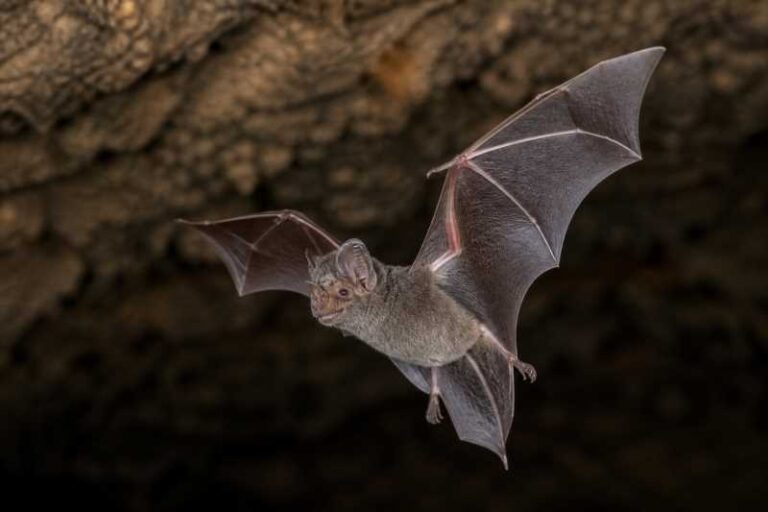
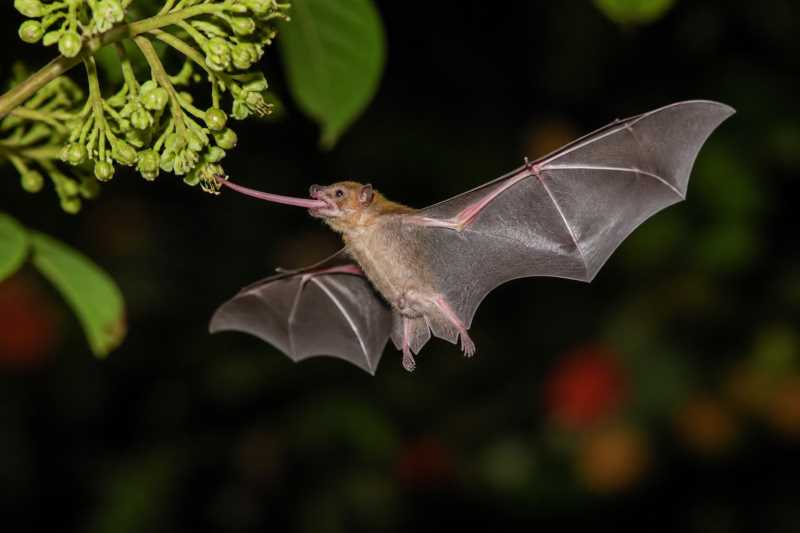
The Western Long-tongued Bat is relatively small, with a body length that ranges from 6 to 9 centimeters and a wingspan of approximately 25 to 30 centimeters. Their weight typically varies between 10 to 20 grams, making them lightweight and agile fliers. The most distinctive feature of this species is its elongated tongue, which can extend up to half its body length. This specialized tongue is adapted for nectar feeding, allowing the bat to access deep flowers that other pollinators cannot reach.
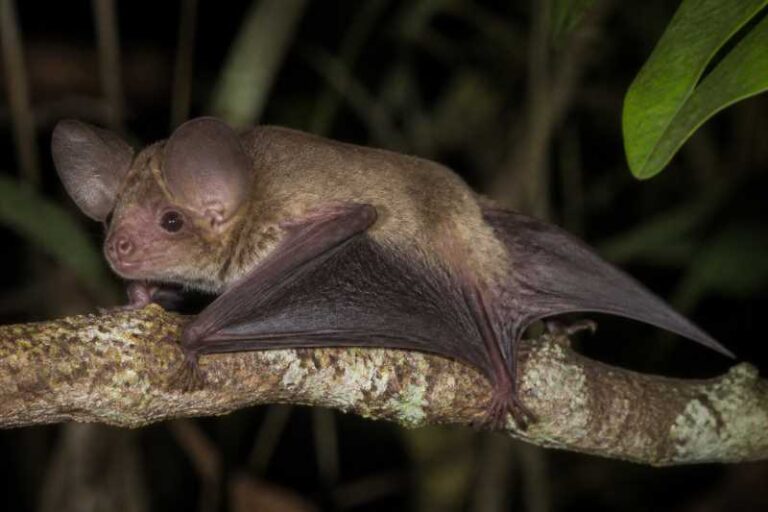
Their fur is generally a shade of brown, which can range from light to dark hues, providing effective camouflage in their natural environments. The bat’s face is characterized by a short snout and large eyes, which aid in their nocturnal activities. Their ears are relatively small compared to other bat species, but they possess highly developed echolocation abilities to navigate and find food in the dark.
Range and Habitat
Glossophaga morenoi is primarily found in the tropical and subtropical regions of Central America, extending into parts of Mexico. Their preferred habitats include forests, caves, and sometimes urban areas where flowering plants are abundant. These bats are highly adaptable and can be found in both wet and dry forests, although they show a preference for environments where there is a rich availability of nectar-producing plants.
Their range is influenced by the availability of food sources, primarily nectar and pollen, which dictates their movement and seasonal migrations. The presence of suitable roosting sites, such as caves and hollow trees, is also a critical factor for their habitat selection.
Behavior and Diet
The Western Long-tongued Bat is primarily nocturnal, emerging from its roost at dusk to forage for food. Their diet consists predominantly of nectar, which they obtain using their specialized long tongues. In addition to nectar, they also consume pollen and occasionally small insects, which provide additional protein sources.
Their feeding behavior is closely linked to their role as pollinators. As they move from flower to flower in search of nectar, they inadvertently transfer pollen, contributing to the reproduction of various plant species. This mutualistic relationship highlights the ecological significance of Glossophaga morenoi, as they support the health and diversity of their ecosystems.
Bats of this species are known for their social behavior, often roosting in colonies that can range from a few individuals to several hundred. These colonies provide protection and increase foraging efficiency through cooperative interactions.
Identification Tips (Field Recognition Cues)
Identifying the Western Long-tongued Bat in the field requires attention to several key characteristics:
- Size and Shape: Look for small bats with a wingspan of 25 to 30 centimeters.
- Coloration: Observe the brown fur, which may vary in shade.
- Tongue Length: Note the exceptionally long tongue, a hallmark of this species when feeding.
- Echolocation Calls: Use a bat detector to identify their specific echolocation frequencies, which are adapted for locating flowers.
- Roosting Behavior: Search for them in caves, hollow trees, or buildings where they might roost in colonies.
Conservation Status (With Threats and Protections)
As of the latest assessments, the Western Long-tongued Bat is not currently listed as endangered. However, like many bat species, they face several threats that could impact their populations. Habitat loss due to deforestation and urbanization poses significant risks, as it reduces the availability of food sources and suitable roosting sites.
Pesticide use is another concern, as it can reduce insect populations that supplement their diet and contaminate nectar sources. Additionally, human disturbances, such as cave tourism and vandalism, can negatively impact their roosting sites.
Conservation efforts for Glossophaga morenoi include habitat protection and restoration, as well as public education campaigns to raise awareness about the ecological role of bats. Legal protections in some regions help safeguard their habitats, but ongoing research and monitoring are essential to ensure their long-term survival.
Frequently Asked Questions
What is the primary diet of the Western Long-tongued Bat?
The Western Long-tongued Bat primarily feeds on nectar but also consumes pollen and small insects. Their elongated tongue allows them to access deep flowers, making them efficient nectar foragers and important pollinators.
How does the Western Long-tongued Bat contribute to its ecosystem?
This bat species plays a crucial role in pollination. As they feed on nectar, they transfer pollen between flowers, facilitating plant reproduction and contributing to biodiversity.
Where can I find the Western Long-tongued Bat?
Glossophaga morenoi is found in tropical and subtropical regions of Central America and parts of Mexico. They inhabit forests, caves, and occasionally urban areas where flowering plants are abundant.
What threats do Western Long-tongued Bats face?
The primary threats include habitat loss from deforestation, pesticide use, and human disturbances. Conservation efforts focus on habitat protection and public education.
How can I identify a Western Long-tongued Bat in the wild?
Look for small bats with a brown coloration, a wingspan of 25 to 30 centimeters, and a notably long tongue. They are most active at night and can be found near flowering plants.
Related posts