Introduction
The Lesser Bulldog Bat, scientifically known as Noctilio albiventris, is a fascinating species of bat that inhabits various regions of Central and South America. Known for its unique appearance and intriguing behavior, the Lesser Bulldog Bat is a subject of interest for researchers and wildlife enthusiasts alike. This article delves into the various aspects of this species, including its physical characteristics, habitat, behavior, and conservation status.
Physical Description
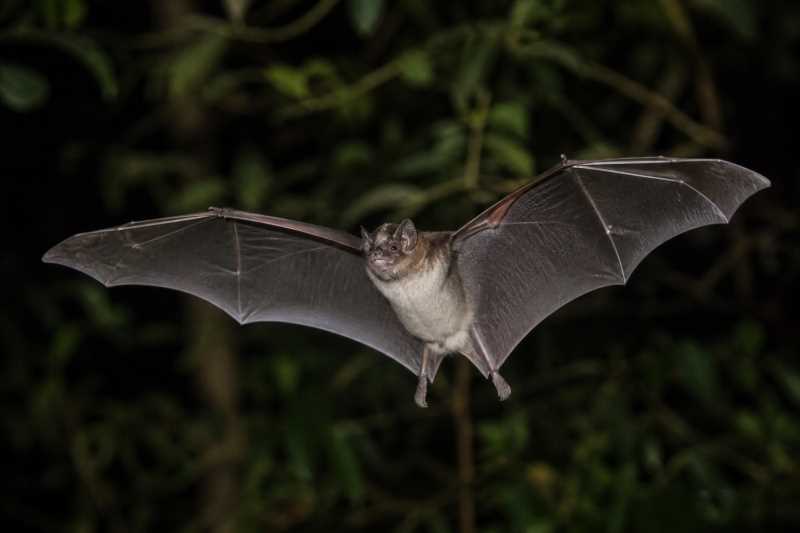
The Lesser Bulldog Bat is medium-sized when compared to other bat species, with a wingspan ranging from 30 to 35 centimeters. Its body length is approximately 9 to 11 centimeters, and it weighs between 30 to 40 grams. One of the most distinctive features of this bat is its robust build and the bulldog-like appearance of its face, which gives the species its common name.
The fur of the Lesser Bulldog Bat is typically a rich brown color on the back, with a contrasting lighter, almost white, belly. This coloration provides excellent camouflage in their natural habitats. Their wings are long and narrow, adapted for swift flying, and they possess strong hind limbs and sharp claws, aiding in their ability to catch prey.
Range and Habitat
The range of the Lesser Bulldog Bat extends throughout much of Central and South America, from southern Mexico through to Brazil and northern Argentina. They are typically found in tropical and subtropical environments, often near bodies of water such as rivers, lakes, and coastal areas. These bats prefer habitats that offer abundant food sources and suitable roosting sites, such as caves, hollow trees, and man-made structures.
Behavior and Diet
Lesser Bulldog Bats are nocturnal creatures, becoming active at dusk when they begin to forage for food. Their diet primarily consists of insects and small fish, which they skillfully catch using their echolocation abilities. They fly low over water bodies, using their sharp claws to snatch fish from the surface.
These bats are social animals, often roosting in groups. Their colonies can vary in size but typically consist of a few dozen individuals. Communication within the species involves a variety of vocalizations, which play a crucial role in maintaining group cohesion and coordinating movements during hunting.
Identification Tips (Field Recognition Cues)
When attempting to identify the Lesser Bulldog Bat in the field, there are several key characteristics to note:
- Face and Nose: Their distinctive bulldog-like facial features, with a short, broad nose.
- Fur: The contrast between the dark brown back and the lighter underside.
- Ears: Medium-sized with rounded tips, positioned on either side of the head.
- Flight Pattern: Watch for their unique flight at dusk, often low over water, dipping to catch small fish.
Conservation Status (With Threats and Protections)
As of the latest assessments, the Lesser Bulldog Bat is listed as a species of Least Concern by the International Union for Conservation of Nature (IUCN). This classification indicates that, currently, there are no immediate threats to their populations that would warrant a higher risk category.
However, like many bat species, the Lesser Bulldog Bat faces threats from habitat destruction, pollution, and climate change, which can impact their foraging and roosting areas. Conservation efforts focus on habitat preservation and ensuring that water sources remain clean and abundant with prey.
Frequently Asked Questions
Why is this species unique?
The Lesser Bulldog Bat is unique due to its ability to catch fish, a trait not common among bats. This adaptation allows it to exploit food resources that are less accessible to other bat species, showcasing its specialized hunting skills.
How does echolocation help in hunting?
Echolocation allows the Lesser Bulldog Bat to detect both stationary and moving prey in complete darkness. By emitting sound waves and interpreting the returning echoes, they can pinpoint the location of insects and fish, even in murky water.
What are the main threats to their survival?
The primary threats to the Lesser Bulldog Bat include habitat loss due to deforestation and water pollution. These factors can deplete their food sources and suitable roosting sites, potentially impacting their populations if not managed effectively.
How do they contribute to their ecosystem?
Lesser Bulldog Bats play a vital role in their ecosystems by controlling insect populations and contributing to nutrient cycling through their guano. Their predation on fish also helps maintain balanced aquatic ecosystems.
Are they dangerous to humans?
Lesser Bulldog Bats are not dangerous to humans. They are nocturnal and avoid human contact. Their primary focus is on hunting for food and maintaining their social structures within their colonies.
Related posts