Kozlov’s Shrew (Sorex kozlovi): A Comprehensive Guide
Introduction
Kozlov’s Shrew, scientifically known as Sorex kozlovi, is an intriguing small mammal belonging to the Soricidae family. Named after the renowned Russian explorer Pyotr Kozlov, this shrew species is a lesser-known inhabitant of the Palearctic region. Despite its diminutive size, Kozlov’s Shrew plays a significant role in its ecosystem, serving as both predator and prey. This article delves into the various aspects of Kozlov’s Shrew, from its physical characteristics to its behavior and conservation status.
Physical Description
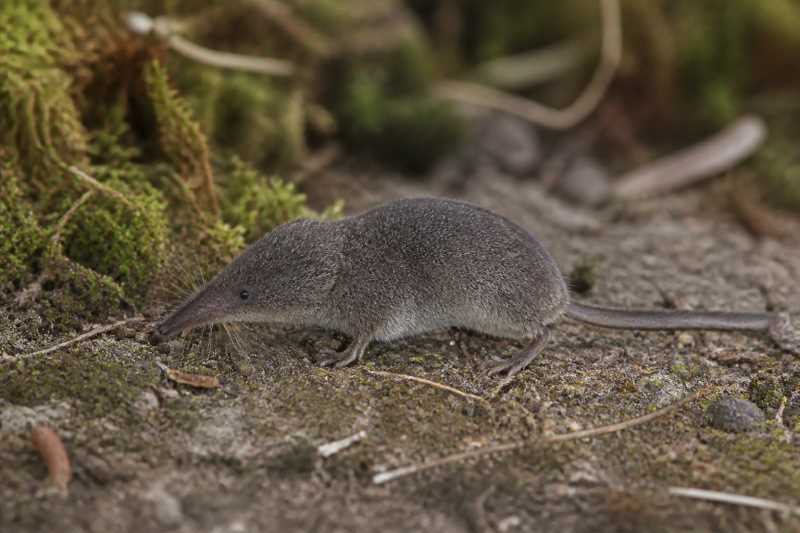
Kozlov’s Shrew is characterized by its small size and distinctive features that set it apart from other shrew species. Typically, this shrew measures between 4 to 6 centimeters in body length, with a tail length that can add another 3 to 5 centimeters. Weighing between 4 to 8 grams, Kozlov’s Shrew is one of the smaller members of the Sorex genus.
The shrew’s fur is soft and dense, exhibiting a grayish-brown coloration that provides excellent camouflage against the forest floor. Its underside is often lighter, sometimes appearing almost white. Kozlov’s Shrew possesses a pointed snout, which is a common trait among shrews, aiding in its foraging activities. The eyes are small and beady, adapted to its nocturnal lifestyle, while its ears are proportionately small and often hidden within its fur.
Range and Habitat
Kozlov’s Shrew is primarily found in the Palearctic ecozone, with its range extending across parts of Mongolia and Northern China. It inhabits a variety of environments, including grasslands, forests, and shrublands. The shrew is highly adaptable and can thrive in both temperate and alpine climates.
This species prefers areas with abundant ground cover, such as leaf litter, fallen logs, and thick underbrush, which offer protection from predators and harsh weather conditions. Kozlov’s Shrew is also known to occupy meadows and edges of forests, where it can easily find food and shelter.
Behavior and Diet
Kozlov’s Shrew is predominantly nocturnal, spending its nights foraging for food and its days resting in burrows or under dense vegetation. It is a solitary animal, except during the breeding season when males and females come together.
The diet of Kozlov’s Shrew primarily consists of insects and other small invertebrates. It is an opportunistic feeder, known to consume beetles, spiders, and worms. Its high metabolic rate necessitates frequent feeding, and it can consume up to three times its body weight in food each day.
In addition to its predatory habits, Kozlov’s Shrew plays a pivotal role in the ecosystem by controlling insect populations and serving as prey for larger predators, including birds of prey and small mammals.
Identification Tips (Field Recognition Cues)
Identifying Kozlov’s Shrew in the wild can be challenging due to its small size and elusive nature. However, there are several field recognition cues that can aid in its identification:
- Size and Shape: Look for a small mammal with a slender body and long tail, measuring a total length of about 7 to 11 centimeters.
- Coloration: Note the grayish-brown fur on the upper body and the lighter, almost white underside.
- Snout: The pointed snout is a key characteristic, often seen probing into the soil or leaf litter.
- Movement: Kozlov’s Shrew is quick and agile, often darting through underbrush with rapid movements.
- Habitat Preferences: Search for this shrew in areas with dense ground cover, particularly in forests and grasslands.
Conservation Status (with Threats and Protections)
Kozlov’s Shrew is currently classified as a species of Least Concern by the International Union for Conservation of Nature (IUCN). However, like many small mammals, it faces threats that could impact its population levels.
Threats
- Habitat Loss: Deforestation and land conversion for agriculture are significant threats, leading to the loss of suitable habitats.
- Climate Change: Altered weather patterns can impact the availability of food and suitable living conditions.
- Predation: Increased predation pressure from introduced species can also pose a threat to its survival.
Protections
Efforts to conserve Kozlov’s Shrew include protecting its natural habitat through the establishment of protected areas and reserves. Research and monitoring programs are also essential to better understand the species’ ecology and population dynamics, which can inform conservation strategies.
Frequently Asked Questions
- What is the lifespan of Kozlov’s Shrew?
Kozlov’s Shrew typically has a lifespan of 1 to 2 years in the wild, though this can be influenced by factors such as predation and environmental conditions.
- How does Kozlov’s Shrew contribute to its ecosystem?
As both a predator and prey species, Kozlov’s Shrew helps control insect populations and serves as a food source for larger animals, maintaining ecological balance.
- Are there any specific conservation efforts for Kozlov’s Shrew?
While no targeted conservation efforts exist solely for Kozlov’s Shrew, the species benefits from habitat protection initiatives and broader efforts aimed at preserving biodiversity in its range.
- Can Kozlov’s Shrew be kept as a pet?
Kozlov’s Shrew is not suitable as a pet due to its specific habitat and dietary needs, as well as its protected status in the wild.
- How can I help conserve Kozlov’s Shrew?
Supporting conservation organizations, advocating for habitat protection, and raising awareness about the importance of biodiversity are effective ways to contribute to the conservation of species like Kozlov’s Shrew.
Related posts