Introduction
The Yankari White-toothed Shrew (Crocidura yankariensis) is a small mammal species belonging to the Soricidae family. This elusive shrew is native to Africa and has garnered interest from mammalogists for its unique adaptations and ecological niche. Despite its specialized habitat requirements and limited range, the Yankari White-toothed Shrew remains relatively obscure in scientific literature, presenting an intriguing subject for further research and conservation efforts. In this article, we delve into the various aspects of the species, exploring its physical characteristics, distribution, behavior, and conservation status.
Physical Description
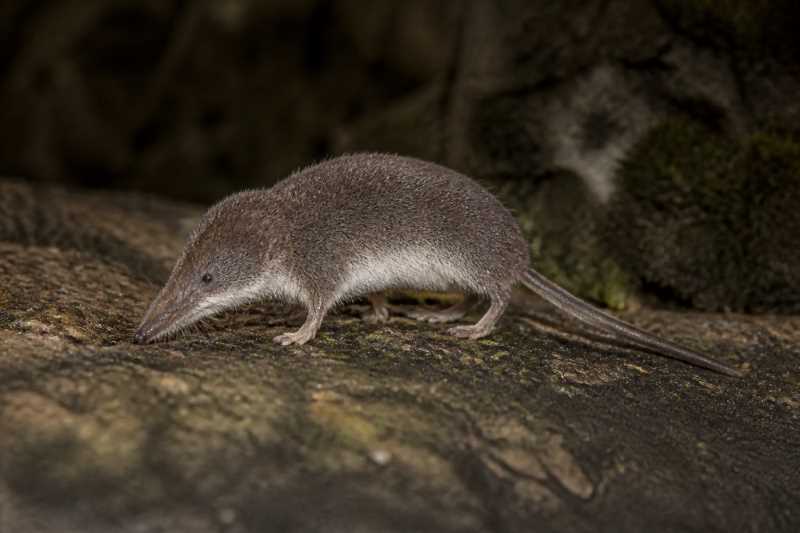
The Yankari White-toothed Shrew is a diminutive mammal, characterized by its slender body and elongated snout, typical of shrews. Adults typically weigh between 5 to 10 grams and measure about 60 to 80 millimeters in body length, excluding the tail. The tail itself is nearly as long as the body, providing balance and aiding in swift movements.
The fur of the Yankari White-toothed Shrew is primarily gray-brown, offering effective camouflage against the forest floor. Its underbelly is slightly lighter, presenting a subtle contrast. As its name suggests, this shrew’s teeth lack pigmentation, appearing white as opposed to the red-tipped teeth seen in some other shrew species. This dental characteristic is a defining feature, setting it apart from closely related species.
Range and Habitat
Crocidura yankariensis is endemic to a limited range within West Africa, with its presence confirmed in specific regions of Nigeria. The species is named after the Yankari National Park, where it is most commonly found. Its habitat primarily consists of moist, tropical forests and savanna woodlands, where it thrives in the dense undergrowth and leaf litter.
The shrew’s preference for these habitats is linked to its need for a humid microenvironment, which supports a rich invertebrate fauna, serving as its primary food source. The forest floor’s complex structure provides ample hiding spots from predators and harsh environmental conditions.
Behavior and Diet
The Yankari White-toothed Shrew is predominantly nocturnal, exhibiting peak activity during the night when it forages for food. Its diet consists mainly of insects, spiders, and other small invertebrates. The shrew’s acute sense of smell and hearing compensate for its relatively poor eyesight, allowing it to locate prey with remarkable efficiency.
This species is solitary by nature, with individuals maintaining distinct territories. They communicate through high-pitched squeaks and scent markings, which play a crucial role in mating and territorial disputes. The shrew’s reproductive cycle is closely tied to the rainy season, aligning with increased food availability. Females give birth to litters of 2 to 4 young, which are weaned quickly to maximize survival in a dynamic environment.
Identification Tips (field recognition cues)
Identifying the Yankari White-toothed Shrew in the field requires careful observation of several key features:
- Size and Shape: Look for a small mammal with a long, pointed snout and a tail nearly as long as its body.
- Fur Color: Notice the gray-brown fur, which blends in with the forest floor, and the lighter underbelly.
- Teeth: The defining feature is the white pigmentation of its teeth, visible upon close inspection.
- Behavior: Observe the shrew’s nocturnal activity patterns and its tendency to scurry quickly through leaf litter.
Conservation Status (with threats and protections)
The International Union for Conservation of Nature (IUCN) currently lists the Yankari White-toothed Shrew as Data Deficient due to a lack of comprehensive data on its population trends and ecological requirements. However, this status does not preclude the possibility of threats to its survival.
Several potential threats could impact the species, including habitat destruction due to agricultural expansion, logging, and human encroachment. The degradation of tropical forests not only reduces available habitat but also disrupts the delicate ecological balance necessary for the shrew’s survival.
Conservation efforts within protected areas like Yankari National Park are crucial in safeguarding this species. Maintaining and enforcing protected area boundaries, along with conducting further research into the shrew’s ecology and population dynamics, are essential steps toward ensuring its longevity.
Frequently Asked Questions
What is the diet of the Yankari White-toothed Shrew?
The Yankari White-toothed Shrew primarily feeds on insects, spiders, and other small invertebrates. Its diet is facilitated by its keen sense of smell and hearing, which help it locate prey amidst the forest floor’s dense leaf litter.
Where can the Yankari White-toothed Shrew be found?
The Yankari White-toothed Shrew is endemic to West Africa, particularly within the regions of Nigeria. It is most commonly associated with the tropical forests and savanna woodlands of Yankari National Park.
How can you identify a Yankari White-toothed Shrew?
Identifying the Yankari White-toothed Shrew involves looking for a small mammal with a long snout, gray-brown fur, and a distinctive lighter underbelly. Its white teeth and nocturnal habits also aid recognition.
What are the threats to the Yankari White-toothed Shrew?
Threats to the Yankari White-toothed Shrew include habitat destruction from agricultural expansion, logging, and human encroachment, which compromise the forest environments essential for its survival.
Is the Yankari White-toothed Shrew endangered?
The Yankari White-toothed Shrew is currently listed as Data Deficient by the IUCN, indicating a need for more research to determine its population status and potential conservation needs.
Related posts