Introduction
Kuroda’s White-toothed Shrew, scientifically known as Crocidura tadae, is a small mammal that belongs to the family Soricidae. This elusive species is predominantly found in specific regions of Southeast Asia and has piqued the interest of mammalogists and conservationists alike due to its unique characteristics and limited distribution. In this article, we delve into the intricate details of this rare shrew, exploring its physical description, habitat preferences, behavior, diet, and conservation status. By shedding light on this lesser-known species, we aim to raise awareness about its ecological significance and the efforts needed to ensure its survival.
Physical Description
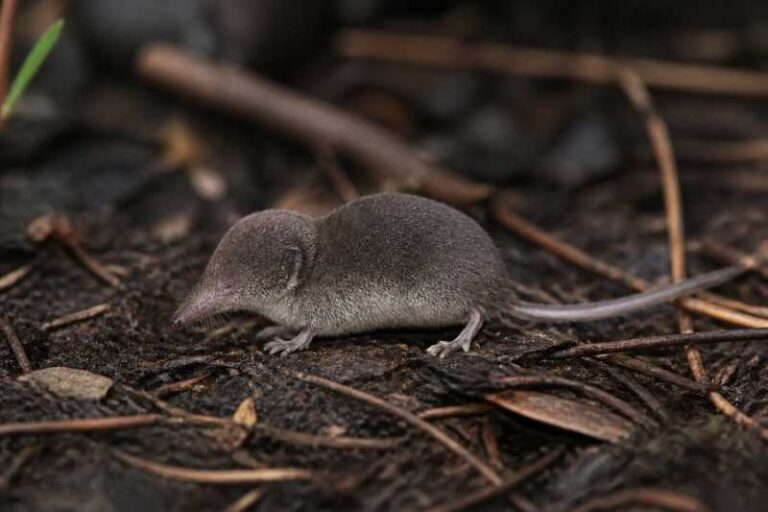
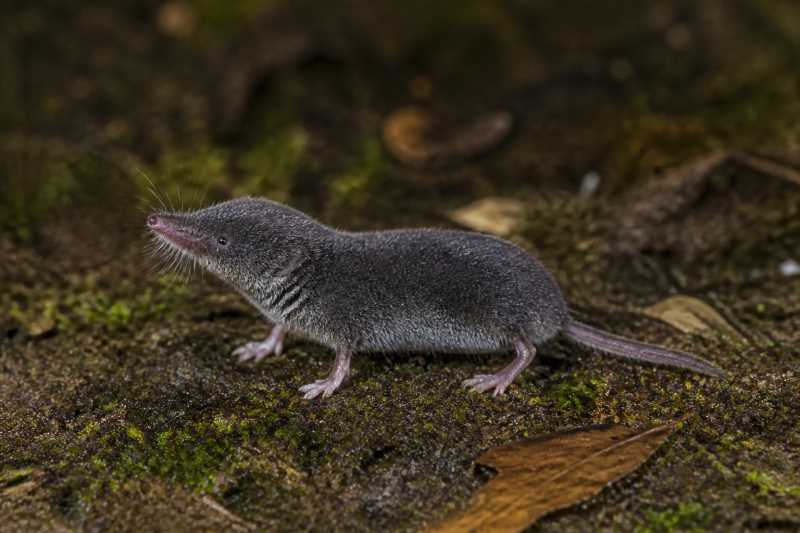
Kuroda’s White-toothed Shrew is a diminutive mammal, with adults typically measuring between 6 to 8 centimeters in body length, excluding the tail, which adds an additional 4 to 5 centimeters. Weighing in at a mere 5 to 10 grams, this shrew is characterized by its slender, elongated body and pointed snout. Its fur is soft and dense, providing insulation against temperature fluctuations. The coloration of the fur is generally a muted gray-brown on the dorsal side, transitioning to a lighter, almost white, hue on the ventral side.
One of the most distinctive features of Crocidura tadae is its teeth, which lack pigmentation, hence the name "white-toothed shrew." This dental feature differentiates it from other shrew species with pigmented teeth and plays a crucial role in its feeding habits.
Range and Habitat
The geographical distribution of Kuroda’s White-toothed Shrew is limited to parts of Southeast Asia, particularly in regions with subtropical and tropical climates. Its primary range includes forested areas in countries such as Thailand, Vietnam, and parts of southern China. The species thrives in moist, dense forest habitats, often in proximity to streams or wetlands that provide ample cover and food resources.
The shrew’s preference for specific habitat conditions makes it susceptible to environmental changes, particularly those induced by human activities such as deforestation and land conversion for agriculture. Despite its adaptability to some degree of habitat alteration, significant habitat loss poses a threat to its survival.
Behavior and Diet
Kuroda’s White-toothed Shrew is predominantly nocturnal, engaging in most of its foraging activities under the cover of darkness. This behavior reduces predation risk and allows it to exploit food resources more efficiently. As an insectivore, its diet primarily consists of insects and other small invertebrates, including worms and spiders. The shrew’s keen sense of smell and acute hearing aid in locating prey, while its agile movements and quick reflexes facilitate successful hunting.
In addition to its insectivorous diet, the shrew demonstrates opportunistic feeding behavior, consuming small amounts of plant matter when animal prey is scarce. This dietary flexibility enables it to endure periods of food scarcity, which are not uncommon in its natural habitat.
Identification Tips (field recognition cues)
Identifying Kuroda’s White-toothed Shrew in the wild requires careful observation of several key traits:
- Size and Shape: Look for a small, slender-bodied mammal with a pointed snout.
- Fur Coloration: Note the gray-brown dorsal fur and lighter ventral fur.
- Dental Characteristics: If visible, the presence of unpigmented, white teeth is a clear indicator.
- Habitat: Consider the habitat; this species is usually found in dense, moist forests.
- Behavior: Nocturnal activity patterns are typical, so sightings are more likely at night.
Spotting this shrew can be challenging due to its small size and secretive nature, but careful attention to these characteristics can assist in accurate identification.
Conservation Status (with threats and protections)
The conservation status of Kuroda’s White-toothed Shrew is currently classified as "Data Deficient" by the International Union for Conservation of Nature (IUCN). This classification highlights the need for further research to accurately assess population size, trends, and threats. However, known threats include habitat destruction due to logging, agriculture, and urban expansion.
Conservation efforts for this species are hindered by limited data, but initiatives focused on habitat preservation and restoration are crucial. Protected areas within its range offer some level of security, but more comprehensive strategies are needed to mitigate habitat loss and ensure the species’ long-term survival.
Frequently Asked Questions
What does Kuroda’s White-toothed Shrew eat?
Kuroda’s White-toothed Shrew primarily feeds on insects and small invertebrates, supplementing its diet with plant matter when necessary. Its diet is adapted to the availability of prey in its forest habitat.
Where can Kuroda’s White-toothed Shrew be found?
This shrew species is found in Southeast Asia, specifically in forested areas of Thailand, Vietnam, and southern China. It prefers dense, moist habitats near water sources.
How can you identify Kuroda’s White-toothed Shrew?
Identifying this shrew involves looking for a small mammal with a pointed snout, gray-brown fur on the back, lighter fur on the belly, and white teeth. Observing nocturnal activity in forested habitats can also aid identification.
Why is Kuroda’s White-toothed Shrew considered data deficient?
The "Data Deficient" status is due to limited information on the species’ population size, distribution, and threats. More research is needed to accurately assess its conservation needs.
What are the conservation challenges for Kuroda’s White-toothed Shrew?
Primary challenges include habitat loss from deforestation and land conversion. Conservation efforts require habitat protection and further research to understand the species’ ecology and threats.
Related posts