Introduction
The Hutan White-toothed Shrew, scientifically known as Crocidura hutanis, is a fascinating small mammal belonging to the Soricidae family. This elusive creature is part of the diverse shrew family, which includes over 300 species globally. Known for their high metabolic rates and voracious appetites, shrews play critical roles in their ecosystems as both predators and prey. The Hutan White-toothed Shrew is no exception, contributing to the ecological balance within its habitat. This article delves into the unique characteristics, habitat, and conservation status of this intriguing species, providing detailed insights for enthusiasts and researchers alike.
Physical Description
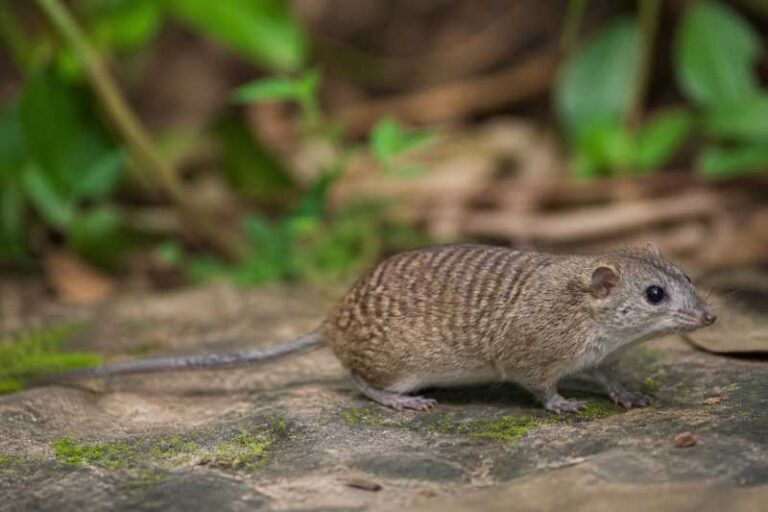
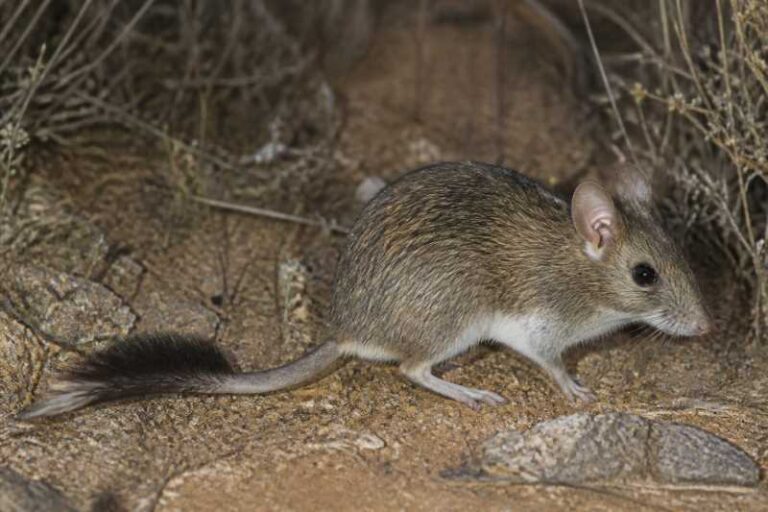
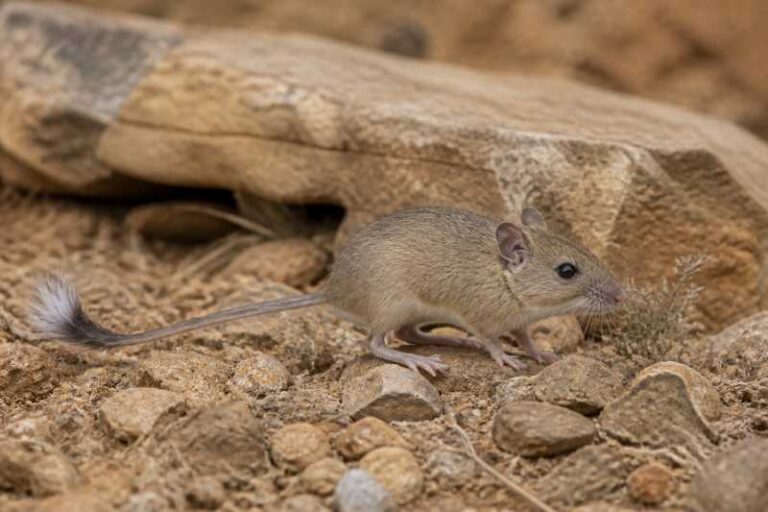
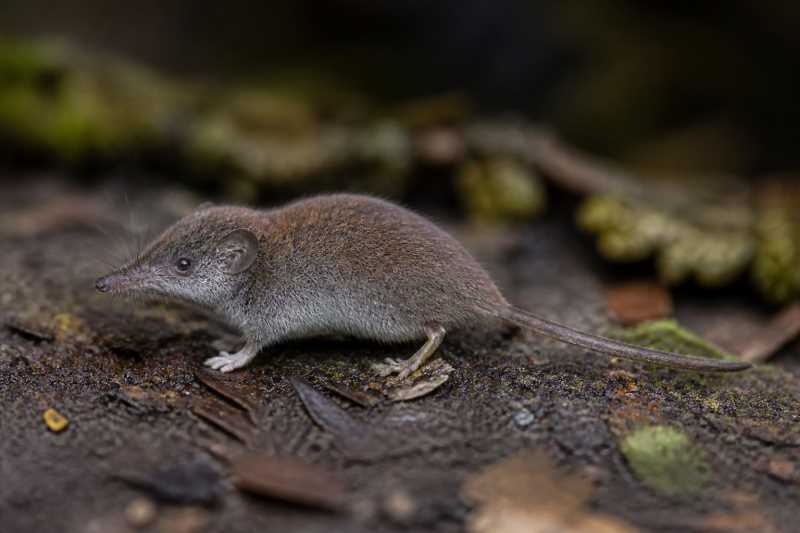
The Hutan White-toothed Shrew is a small mammal characterized by its diminutive size and distinctive features. Typically, adults weigh between 10 to 15 grams and measure around 60 to 80 millimeters in length, excluding the tail. The tail itself adds an additional 40 to 50 millimeters, serving as a balancing tool during movement.
This species is adorned with a dense, soft coat of fur that ranges from grayish-brown to dark brown, providing effective camouflage within its forested habitat. The underbelly is often lighter, presenting a subtle contrast. True to its name, the Hutan White-toothed Shrew possesses small, white teeth that are adapted for its insectivorous diet.
The shrew’s head is equipped with a pointed snout, which is highly sensitive and aids in detecting prey. Its small, beady eyes are adapted for low-light conditions, and its ears, though concealed by fur, are acute, allowing it to detect subtle sounds in its environment.
Range and Habitat
The Hutan White-toothed Shrew is primarily found in Southeast Asia, with a range that extends through parts of Malaysia, Indonesia, and Thailand. It thrives in tropical and subtropical forests, particularly favoring areas with dense undergrowth and abundant leaf litter.
These shrews are often found in lowland rainforests but have also been observed at elevations up to 1,500 meters. Their preference for moist, humid environments is likely due to the abundance of insects and other invertebrates that form the bulk of their diet. The species is largely terrestrial, though it is known to climb low vegetation in search of food.
Behavior and Diet
The Hutan White-toothed Shrew is predominantly nocturnal, emerging under the cover of darkness to forage for food. It exhibits a high level of activity, driven by its rapid metabolism, which necessitates frequent feeding. The diet of this shrew primarily consists of insects, spiders, and other small invertebrates. It uses its keen sense of smell and touch to locate prey, often burrowing through leaf litter and soil.
Social behavior in the Hutan White-toothed Shrew is minimal, as it is a solitary creature that only seeks out others of its kind during the breeding season. Communication is limited to high-pitched squeaks and chirps, which serve to establish territory and attract mates.
Identification Tips (Field Recognition Cues)
Identifying the Hutan White-toothed Shrew in the field requires a keen eye and an understanding of its distinctive features. Key identification tips include:
- Size and Shape: Small, compact body with a short tail relative to body size.
- Coloration: Grayish-brown to dark brown fur with a lighter underbelly.
- Head: Pointed snout and small, hidden ears.
- Behavior: Nocturnal activity, often found foraging in leaf litter.
- Habitat: Prefers dense forest undergrowth in tropical and subtropical regions.
Conservation Status (With Threats and Protections)
Currently, the conservation status of the Hutan White-toothed Shrew is not well-documented, largely due to its elusive nature and the challenges of studying small mammals in dense forest habitats. However, like many forest-dwelling species, it faces threats from habitat destruction and fragmentation caused by logging, agriculture, and urban development.
Efforts to protect this species are primarily focused on habitat conservation. Protected areas and national parks within its range offer some refuge from human activities. Continued research and monitoring are essential to understand the population dynamics and to implement effective conservation strategies.
Frequently Asked Questions
What do Hutan White-toothed Shrews eat?
Hutan White-toothed Shrews primarily consume insects, spiders, and other small invertebrates. Their diet is adapted to their high metabolic needs, requiring frequent feeding to sustain energy levels.
Where can I find Hutan White-toothed Shrews?
These shrews are typically found in Southeast Asia, inhabiting tropical and subtropical forests in Malaysia, Indonesia, and Thailand. They prefer areas with dense undergrowth and leaf litter.
Are Hutan White-toothed Shrews endangered?
The conservation status of the Hutan White-toothed Shrew is not well-established, but it is threatened by habitat destruction due to deforestation and land development. Conservation efforts are focused on habitat preservation.
How do Hutan White-toothed Shrews communicate?
Shrews communicate using high-pitched squeaks and chirps. These vocalizations help establish territory and attract mates, although they are generally solitary animals.
What is the significance of the Hutan White-toothed Shrew in its ecosystem?
As insectivores, Hutan White-toothed Shrews play a crucial role in controlling insect populations, thereby maintaining ecological balance. They also serve as prey for larger predators, contributing to the food web.
Related posts